Mastering the SaaS Marketing Stack: A Comprehensive Guide for US Businesses
In the fast-paced world of software-as-a-service (SaaS), building a strong SaaS strategy can be the difference between skyrocketing success and total burnout. But here’s the catch — not every tip you hear is worth following. In fact, many so-called “best practices” are outdated or just plain wrong. In this article, we’re busting the most common SaaS strategy myths that have been holding businesses back.
The Evolution of Martech SaaS Stacks
The journey of a SaaS company often begins with a simple goal: to streamline operations and drive growth. This is where the power of a well-structured Martech SaaS stack comes into play. From communication tools to data analytics, each component plays a vital role in shaping a successful marketing strategy.
The Genesis: Building a Foundation with Slack and Asana
The foundation of any effective marketing team lies in seamless communication and project management. Tools like Slack and Asana serve as the backbone of this process. Slack acts as the primary communication hub, allowing teams to stay connected in real-time. With dedicated channels for different projects, teams can ensure everyone is on the same page without unnecessary noise.
Asana, on the other hand, provides a structured approach to task management. It allows teams to visualize their workflows, set deadlines, and track progress. This combination ensures that no task falls through the cracks and that every team member knows their responsibilities.
Tips and Tricks for Effective Use

- Slack: Create channels based on project phases or departments to keep conversations organized.
- Asana: Use custom fields and templates to standardize task creation and improve efficiency.
App Spotlight: Integrating Slack and Asana
Integrating these two tools with Zapier can further enhance productivity. Automating repetitive tasks, such as creating new tasks in Asana when a message is sent in Slack, ensures that your team remains focused on high-value activities.
Data-Driven Decision Making: PowerBI and Google Analytics
In the realm of SaaS marketing, data is king. Tools like PowerBI and Google Analytics empower teams to make informed decisions by transforming raw data into actionable insights.
PowerBI: Visualizing Insights
PowerBI offers advanced data visualization capabilities, allowing teams to create interactive dashboards that highlight key performance indicators (KPIs). These dashboards help identify trends, spot anomalies, and forecast future performance.
Google Analytics: Tracking User Behavior

Google Analytics provides a comprehensive view of user behavior on your website. By tracking metrics such as bounce rate, session duration, and conversion rates, teams can understand how users interact with their products and optimize accordingly.
Tips and Tricks for Effective Use
- PowerBI: Set up alerts for significant changes in KPIs to stay proactive.
- Google Analytics: Use UTM parameters to track the effectiveness of specific campaigns.
App Spotlight: Leveraging Data for Growth
Combining PowerBI and Google Analytics can provide a holistic view of your marketing efforts. For example, using Google Analytics data in PowerBI allows teams to see how different marketing channels contribute to overall performance.
Engagement Engines: MoEngage and CleverTap
User engagement is crucial for SaaS companies looking to retain customers and drive conversions. Tools like MoEngage and CleverTap enable personalized communication, helping to build stronger relationships with users.
MoEngage: Personalized Messaging
MoEngage allows teams to send targeted messages based on user behavior and preferences. This personalization increases the likelihood of user interaction and conversion.
CleverTap: Advanced Analytics

CleverTap provides detailed analytics on user engagement, helping teams understand which strategies are working and which need refinement. Its features include real-time analytics, event tracking, and segmentation.
Tips and Tricks for Effective Use
- MoEngage: Segment your audience based on behavior to deliver more relevant content.
- CleverTap: Use predictive analytics to anticipate user needs and tailor your messaging.
App Spotlight: Enhancing User Experience
By integrating MoEngage and CleverTap, teams can create a seamless user experience. For instance, using CleverTap to track user interactions and then leveraging MoEngage to send timely notifications can significantly boost engagement.
Content Creation and Distribution: Canva and Hootsuite
Content is a critical component of any SaaS marketing strategy. Tools like Canva and Hootsuite help teams create and distribute compelling content across multiple platforms.
Canva: Designing Engaging Content
Canva simplifies the design process, allowing even non-designers to create visually appealing graphics. Its drag-and-drop interface and pre-designed templates make it easy to produce professional-looking content quickly.
Hootsuite: Managing Social Media Presence
Hootsuite enables teams to manage multiple social media accounts from a single dashboard. Features like scheduling posts, monitoring mentions, and analyzing performance make it an essential tool for SaaS marketers.
Tips and Tricks for Effective Use
- Canva: Use brand templates to maintain consistency across all content.
- Hootsuite: Schedule posts in advance to maintain a consistent presence on social media.
App Spotlight: Streamlining Content Strategy
By combining Canva and Hootsuite, teams can efficiently create and distribute content. For example, using Canva to design graphics and then scheduling them via Hootsuite ensures that your social media presence remains active and engaging.
Conversion Catalysts: Mailchimp and Typeform
Conversions are the ultimate goal of any SaaS marketing strategy. Tools like Mailchimp and Typeform help teams capture leads and convert them into customers.
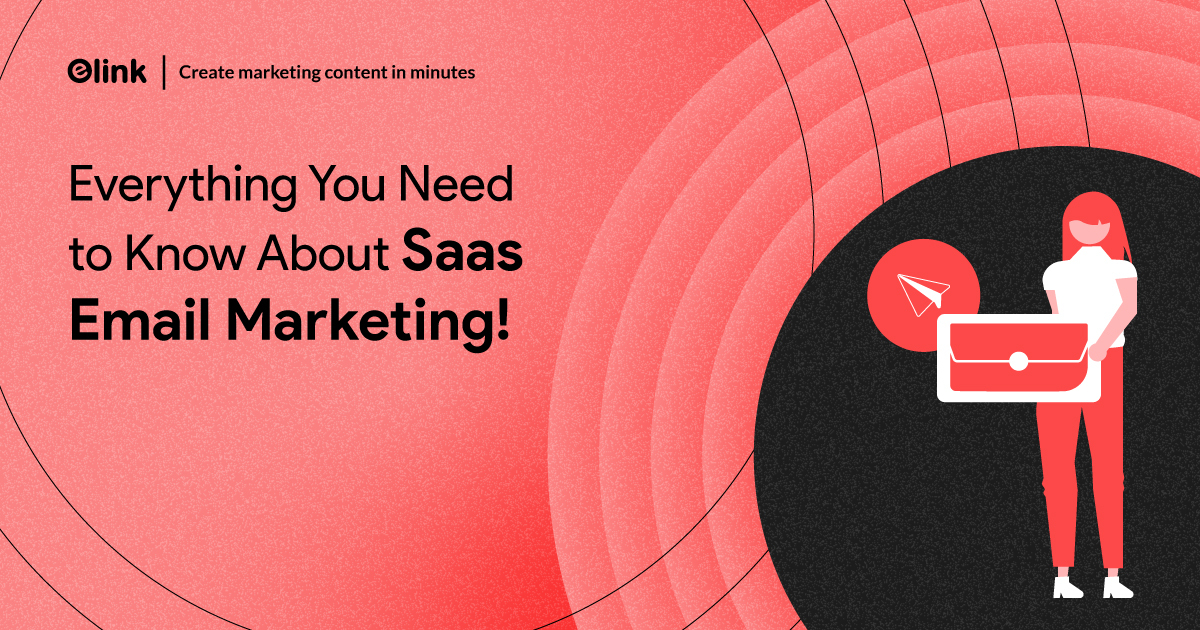
Mailchimp: Email Marketing Automation
Mailchimp allows teams to automate email campaigns, segment audiences, and track performance. Its features include customizable templates, automation workflows, and detailed analytics.
Typeform: Interactive Surveys and Forms

Typeform provides an intuitive way to collect user feedback and generate leads. Its interactive forms and surveys make it easier to engage users and gather valuable insights.
Tips and Tricks for Effective Use
- Mailchimp: Use automation to send personalized emails based on user behavior.
- Typeform: Keep forms short and focused to increase completion rates.
App Spotlight: Boosting Conversions
Integrating Mailchimp and Typeform can enhance lead generation efforts. For example, using Typeform to collect user information and then automating follow-up emails via Mailchimp can significantly boost conversion rates.
The AI Revolution: ChatGPT and Writesonic
Artificial intelligence is transforming the SaaS marketing landscape. Tools like ChatGPT and Writesonic are revolutionizing content creation and customer engagement.
ChatGPT: Content Generation at Scale
ChatGPT enables teams to generate high-quality content quickly. Whether it’s blog posts, ad copy, or social media updates, ChatGPT can help streamline the content creation process.
Writesonic: Speedy Content Creation
Writesonic is another AI-powered tool that helps teams create content at a rapid pace. Its features include generating landing pages, product descriptions, and more.
Tips and Tricks for Effective Use
- ChatGPT: Use prompts to guide the content creation process and ensure alignment with brand voice.
- Writesonic: Leverage templates to speed up content production.
App Spotlight: Enhancing Creativity
By incorporating ChatGPT and Writesonic into their workflow, teams can focus on strategic initiatives while leaving the heavy lifting of content creation to AI. This not only saves time but also ensures a consistent flow of high-quality content.
Conclusion
Building a successful SaaS marketing strategy requires a well-structured Martech SaaS stack. From communication tools like Slack and Asana to data analytics platforms like PowerBI and Google Analytics, each component plays a crucial role in driving growth. By leveraging tools like MoEngage, CleverTap, Canva, Hootsuite, Mailchimp, and Typeform, teams can enhance user engagement, create compelling content, and boost conversions. Additionally, the integration of AI-powered tools like ChatGPT and Writesonic can further streamline processes and unlock new opportunities for innovation. By understanding the importance of each tool and how they work together, SaaS companies can build a robust marketing strategy that drives long-term success.