Microsoft Azure’s Regional and Service Availability: A Comprehensive Guide
Microsoft Azure, the cloud computing platform developed by Microsoft, has become a cornerstone of modern digital infrastructure. As businesses increasingly rely on cloud services for scalability, security, and efficiency, understanding how Azure manages its regional availability and service categorization is essential. This article explores the intricacies of Azure’s regional structure, service categories, and availability, providing insights into how organizations can leverage these features to optimize their cloud strategies.
Understanding Azure’s Regional Structure
Azure operates across a vast network of data centers, organized into regions. These regions are categorized as recommended or alternate, each with distinct characteristics that influence service availability and performance.
Recommended Regions: These regions are designed to offer the broadest range of services, including support for availability zones—which enhance fault tolerance and reliability. In the Azure portal, recommended regions are clearly labeled, making it easier for users to select locations that align with their business needs. For instance, a company looking to deploy mission-critical applications might opt for a recommended region to ensure maximum uptime and access to advanced features.
Alternate Regions: These regions extend Azure’s footprint within specific data residency boundaries where a recommended region already exists. While they do not support availability zones, alternate regions are ideal for optimizing latency and disaster recovery scenarios. They are designated as “Other” in the Azure portal. Microsoft regularly evaluates alternate regions to determine if they should transition to recommended status based on demand and performance metrics.
The distinction between these region types is crucial for businesses that require compliance with data sovereignty laws or have specific geographic constraints. By choosing the right region type, organizations can balance performance, cost, and regulatory requirements effectively.
Service Categories and Availability
Azure services are grouped into three main categories: foundational, mainstream, and strategic. Each category reflects the service’s maturity, demand, and deployment strategy across different regions.
Foundational Services: These are core services that are available in all recommended and alternate regions once the region becomes generally available, or within 90 days of a new foundational service being launched. Examples include Azure Virtual Machines, Azure Storage, and Azure Networking services. Foundational services form the backbone of Azure’s ecosystem, ensuring that even smaller or less resource-intensive applications can benefit from robust cloud capabilities.
Mainstream Services: These services are typically available in all recommended regions within 90 days of a region’s general availability. However, in alternate regions, their deployment is demand-driven, meaning they may not be immediately available. Mainstream services include Azure App Service, Azure Functions, and Azure Monitor. These services cater to a wide range of applications, from web development to data analytics, and are often used by mid-sized enterprises.
Strategic Services: These are specialized offerings, often focused on industry-specific solutions or backed by customized hardware. Strategic services are demand-driven across regions, with many already deployed in a large subset of recommended regions. Examples include Azure AI, Azure Kubernetes Service (AKS), and Azure VMware Solution. These services are tailored for organizations with unique requirements, such as those in healthcare, finance, or high-performance computing.
Understanding the service categories helps businesses plan their cloud deployments more effectively. For instance, a startup might prioritize foundational services for cost efficiency, while a large enterprise could leverage strategic services to gain a competitive edge.
Key Services and Their Availability
To illustrate the practical implications of Azure’s regional and service availability, let’s examine some key services and their deployment patterns:
-
Azure Virtual Machines: Available in both recommended and alternate regions, virtual machines are a fundamental component of Azure’s infrastructure. They allow users to run custom applications and workloads, with options for various series, such as Dv5 and Ev5-series, which offer different performance levels.
-
Azure Cosmos DB: A globally distributed database service, Cosmos DB is available in all recommended regions and supports multiple data models, including NoSQL. Its availability ensures that applications can scale seamlessly across regions without compromising performance.
-
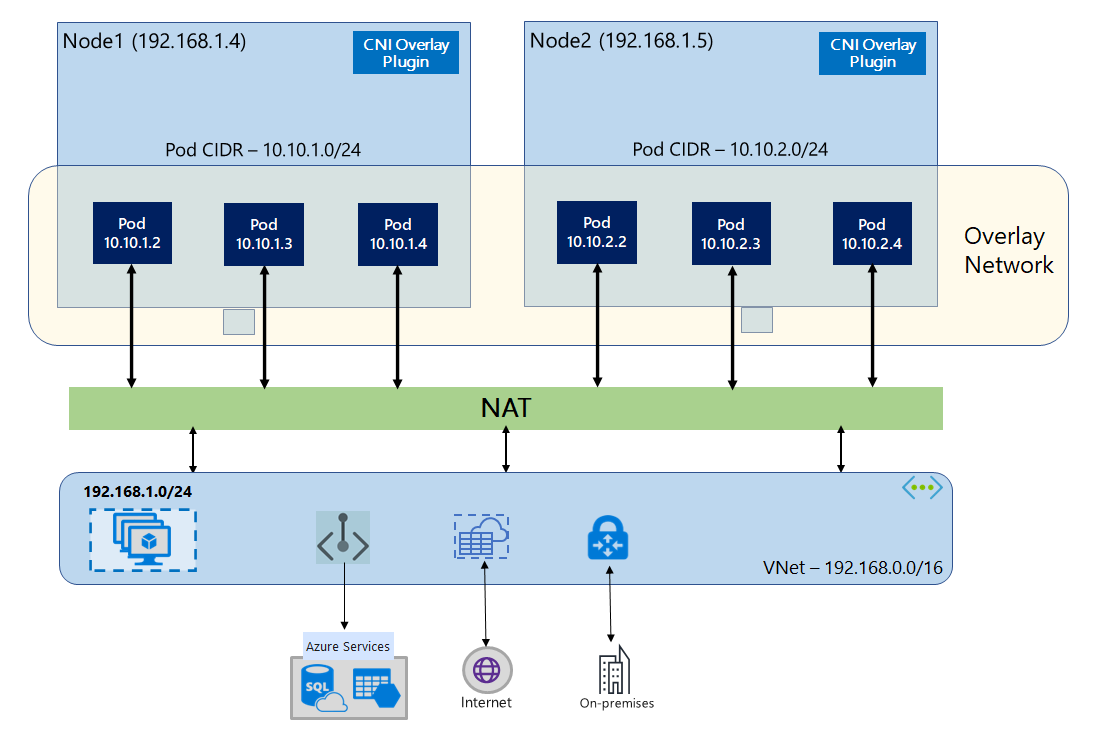
Azure Kubernetes Service (AKS): This managed Kubernetes service is available in recommended regions and is ideal for deploying containerized applications. AKS simplifies the management of container orchestration, making it a popular choice for DevOps teams.
-
Azure AI Services: These strategic services include tools like Azure Cognitive Services and Azure Machine Learning. They are available in recommended regions and are designed to enable advanced AI capabilities, such as natural language processing and computer vision.
-
Azure Blockchain Workbench: Another strategic service, this tool allows organizations to build and manage blockchain networks. It integrates with other Azure services, making it suitable for industries that require secure and transparent data sharing.





Conclusion
Microsoft Azure’s regional and service availability model is a testament to its commitment to flexibility, scalability, and performance. By offering a diverse range of regions and service categories, Azure empowers businesses to tailor their cloud strategies to meet specific needs. Whether an organization requires the reliability of recommended regions, the cost-effectiveness of alternate regions, or the specialized capabilities of strategic services, Azure provides the tools and infrastructure to succeed in today’s digital landscape.
As cloud computing continues to evolve, staying informed about Azure’s regional and service dynamics will be critical for businesses aiming to leverage the full potential of the cloud. With ongoing investments in AI, data centers, and global expansion, Microsoft is well-positioned to lead the next wave of innovation in cloud technology.