Revolutionizing Wearable Devices: Cutting-Edge Software Solutions
Wearable technology has become an integral part of modern life, seamlessly integrating into our routines. These small devices, like fitness trackers and smartwatches, are more than just fashion statements—they’re revolutionizing health monitoring and personal data collection. The software behind these gadgets is the brains of the operation, orchestrating the myriad functions they offer. From monitoring heart rate, step counts, to blood pressure, the software in a wearable device makes this information accessible at our fingertips, and more importantly, applicable to our everyday lives. Transforming raw data into valuable insights is the name of the game.
The app design and development craft interactive user experiences, enabling not just basic functionality but also rich features that promise to enhance our wellbeing. Think of wearables that offer personalized fitness suggestions or alerting healthcare professionals for emergency patient monitoring—those capabilities are often reliant on sophisticated software development. As wearables continue to expand in capabilities, the evolution of real-time software applications has been pivotal in transforming and enhancing the health monitoring landscape. Real time processing and feedback haven’t merely enhanced the role wearables play in daily life; they’ve altered it dramatically.
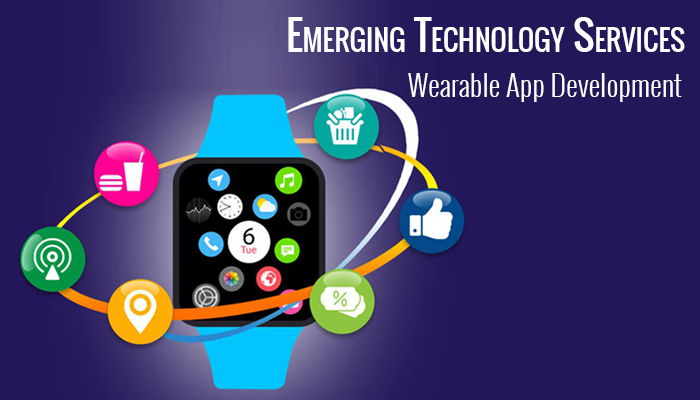
Wearable technology has come a long way with brilliant advancements leading the charge. Innovations in how data is collected and shared leave many people awestruck about what their wrist gadgets can do. At the heart of these advancements are enhancements in wearable devices, smart sensors, and mind-blowing app development that continues to improve the user experience. Several game-changing innovations are dominating the wearable tech scene:
These innovations speak volumes about how wearable technology continues to evolve, creating a world where healthcare becomes more personal and proactive. Every tech advancement comes with its share of hiccups, and wearables are no exception. Developing software for wearable devices means addressing challenges that can slow down progress. Despite these hurdles, the tech industry relishes the task of constant improvement, showing resilience in overcoming challenges with creative solutions.
Artificial Intelligence is quickly becoming the secret sauce in the wearable tech recipe, enhancing every part of the experience from data processing to patient diagnostics. With AI’s superior processing capabilities, wearable devices can pick up data like nobody’s business and draw conclusions that support medical decisions. Some impressive AI applications in wearable devices include:

AI’s role is ever-expanding, promising more intelligent and responsive wearables that redefine the concept of personalized healthcare. The road to developing software for wearable devices, especially in healthcare, is paved with both opportunities and a fair share of bumps. Imagine working on a wearable technology designed to keep tabs on a patient’s heart rate and blood pressure. Not only does the software need to accurately capture real-time data, it also needs to do so in a way that ensures both the user experience and patient safety are top-notch.
Why is this a big deal, you ask? Simply because the sheer variety of wearables—ranging from fitness trackers to sophisticated medical devices—requires diverse, flexible coding. One challenge developers often face is making the software interact seamlessly with other tech such as smartphones or tablets. Creating a smooth interface between these gadgets often requires overcoming compatibility hurdles. Crafting an intuitive interface isn’t just about splashing attractive colors and flashy icons. Developers have to consider how wearable tech is used in real-time. For instance, a wearable device for health monitoring must be easy to operate even in stressful situations. And that’s where a solid grasp of user needs comes into play.

In practical terms, an app designed for heart rate monitoring should have large, visible buttons that can be pressed without difficulty. It ought to provide easy-to-read data points, critical for quick decision-making in medical emergencies. Balancing between a comprehensive design and essential functionality is certainly an art, one that software developers continually strive to master. While challenges are plenty, the payoff is significant. Seeing how wearables contribute to improved health outcomes makes the hassle worth it. Innovations in machine learning and data analysis are pushing developers to create more personalized, adaptive software solutions.
As wearables get smarter, expect more creative apps that keep track of everything from mental health to advanced patient monitoring. For those eager to explore more about software evolution and connected devices, you might find some useful insights by checking out the future of connected devices. The horizon is packed with possibilities and learning about them helps in appreciating this fascinating journey. So, whether you’re building a new app or merely curious about what’s next, understanding these challenges helps set realistic expectations for what’s possible today and what could be tomorrow.

Artificial intelligence (AI) is bringing a whole new vibe to the party when it comes to wearable devices. It’s like adding a dash of magic that turns your average fitness tracker into a personal coach, doctor, and life-coach, all in one tiny gadget. AI in wearable tech isn’t just making your fitness journey smarter; it’s taking healthcare monitoring to new heights. With AI, your wearable can now meticulously analyze your heart rate, blood pressure, and even stress levels to provide real-time health insights. This means that it’s not just about tracking steps anymore—your wearable device becomes an integral part of your health journey.
In the medical field, smart wearable technology is revolutionizing patient monitoring. AI algorithms can detect unusual patterns in your vital statistics, predicting potential health issues before they become serious. You could think of it as having a guardian angel, programmed to keep you healthy and informed. With this real-time analysis, healthcare providers can tweak treatment plans to better match each patient’s unique needs. Let’s not forget the practical side in everyday use. AI-powered wearables simplify app development by gathering and crunching huge amounts of data. This empowers developers to design user-friendly apps with seamless interfaces and enhanced user experience.

Whether it’s adjusting your running pace or suggesting meditation activities for mental health, AI wearables adapt to your lifestyle in the blink of an eye. Wearable devices like fitness trackers have set the stage, but the blend of AI with these gadgets is where the true magic happens. Tech giants and startups alike are pouring resources into development, refining AI algorithms for unprecedented precision. AI is the secret sauce propelling wearable app evolution forward. While design and tech continue to intermingle, the applications of AI in wearables remind us—this is just the beginning.
Imagine what’s next for healthcare insights, patient monitoring, and data-driven fitness goals! Predicting the future of wearable technology feels a bit like peering into a crystal ball. But things are taking shape pretty clearly with more focus on personalized health and wellness. Ever heard of fitness trackers? Well, they continue to evolve with enhanced features that monitor heart rate, count steps, and even keep an eye on your blood pressure. To some extent, wearables are getting smarter, learning your habits and adjusting accordingly. Imagine your device suggesting a walk after detecting you’ve been stationary too long. That’s the sort of personalized service becoming standard.

In healthcare, wearable medical devices are already proving transformative. These gadgets go beyond keeping tabs on fitness, diving into patient monitoring, offering real-time data straight to doctors for better diagnosis and treatment. Think of devices assisting patients with conditions like diabetes or heart disease by sending data directly to healthcare providers, improving response time and care. Mental health is another growing field for wearables. Picture apps that detect stress levels via smartwatches and suggest breathing exercises or calming activities. A timely nudge might change someone’s entire day.
With advances in AI, you’d expect that wearable apps are developing unique applications. They process data at lightning speed, providing insights that are easy to understand. Rather than just gathering data, these devices transform this information into actionable insights, almost like a personal coach guiding you to better health. The future looks set to be about user experience. With design focusing more on minimalism and ease, wearable technology integrates seamlessly into daily life. Developers are enhancing how devices feel on the wrist, or how they appear on clothing, making these gadgets a natural extension of yourself rather than a clunky add-on.
Wearable tech and its software continue to evolve, driven by imagination, necessity, and technological progression. Exciting prospects loom, hinting at a future where your health is always at your fingertips—literally. ©2023, Future of Software