
The Critical Role of Cloud Optimization in Modern Business Operations
Cloud optimization has become a cornerstone of modern cloud operations (CloudOps), playing a pivotal role in ensuring that businesses can scale efficiently while maintaining cost-effectiveness and reliability. As organizations increasingly rely on cloud infrastructure, the need to optimize cloud resources has never been more urgent. This article explores the importance of cloud optimization, its key benefits, best practices, and how it can be effectively implemented.
Why Is Cloud Optimization Important?
Cloud optimization is essential for businesses aiming to scale their operations without incurring unnecessary costs. It involves fine-tuning cloud resources to match the specific needs of applications and workloads, ensuring that performance is maintained while minimizing waste. This process not only helps in reducing overspending but also improves transparency in cloud expenditure and enhances resource utilization.
One of the primary goals of cloud optimization is to strike a balance between workload performance and cost. By continuously adjusting the infrastructure setup, organizations can identify the most effective configurations for different scenarios. This leads to increased productivity and better return on investment.
Additionally, cloud optimization supports the migration of business operations from on-premise environments to the cloud. It ensures that applications run smoothly on minimal infrastructure, simplifying management and enabling teams to focus on innovation rather than maintenance.
Key Benefits of Cloud Optimization

The benefits of cloud optimization are multifaceted and extend beyond just cost savings. Here are some of the most significant advantages:
- Reduced Overspending: By right-sizing resources and eliminating unused ones, organizations can significantly cut down on cloud expenses.
- Improved Transparency: Cloud optimization tools provide detailed insights into spending patterns, allowing businesses to make informed decisions.
- Enhanced Resource Utilization: Efficient allocation of resources ensures that cloud infrastructure is used to its fullest potential.
- Increased Productivity: With optimized resources, developers can focus on building and improving applications rather than managing infrastructure.
- Better Return on Investment (ROI): A well-structured cloud optimization strategy ensures that every dollar spent on cloud services delivers maximum value.
4 Things To Optimize in Your Cloud Environment

When it comes to cloud optimization, there are several key areas that require attention. These include:
Cost-Effectiveness
Cost reduction is often the top priority for organizations looking to optimize their cloud environments. However, the complexity of cloud pricing models can make this challenging. Cloud service providers offer various tools to help monitor and manage costs, such as AWS’s Cost Optimization Monitor and Azure’s Cost Alerts. These tools enable businesses to track spending and receive alerts when they exceed budget thresholds.
However, it’s important to note that cloud providers do not intervene to prevent overspending. Therefore, many organizations use third-party tools to manage costs across hybrid and multi-cloud environments.
Performance

Optimizing performance in the cloud involves ensuring that applications and services operate efficiently. Factors such as cloud architecture design, choice of cloud services, and code efficiency all play a role in determining performance. For example, a poorly designed architecture that requires frequent data transmission between regions can suffer from network latency issues.
Regular performance testing of application code before deployment is crucial to identifying and addressing potential bottlenecks.
Reliability
Reliability is another critical aspect of cloud optimization. Failures in the cloud can lead to downtime and loss of revenue. To mitigate these risks, organizations should implement redundancy strategies, such as deploying multiple instances of workloads across different regions or clouds. While this approach can be costly, it ensures that applications remain available even in the event of a failure.
Security
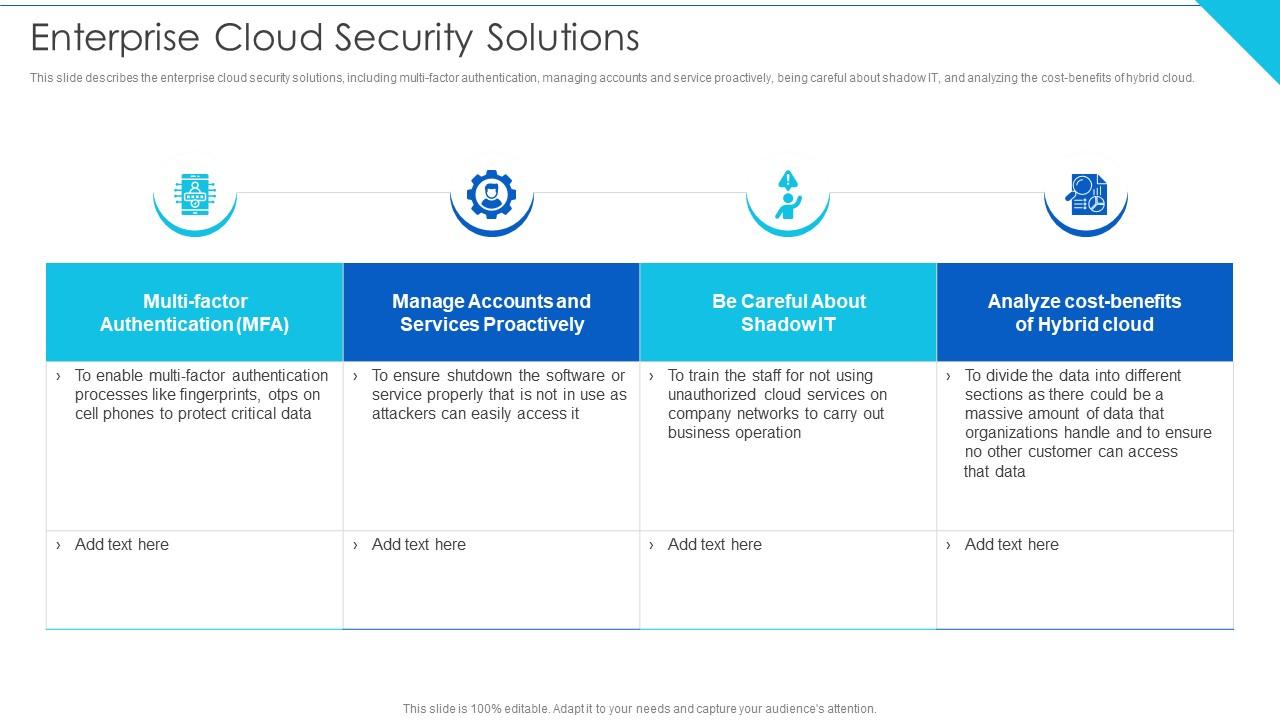
Security is a major concern in cloud environments, as it can be challenging to identify and address vulnerabilities. Organizations should implement centralized visibility tools and leverage security measures that provide both preventive and reactive capabilities. For instance, container visibility, virtual machine encryption, and DevSecOps practices can help protect against threats.
Cloud Optimization Best Practices

To achieve effective cloud optimization, organizations should adopt the following best practices:
- Right-Sizing Computing Services: Matching cloud services with workload requirements ensures that resources are used efficiently. This involves analyzing workload patterns and utilizing machine learning algorithms to forecast future needs.
- Making Use of Spot Instances: Spot instances offer a cost-effective way to utilize cloud resources for non-time-sensitive workloads. They are ideal for tasks such as batch processing and development environments.
- Investing in Reserved Instances: Reserved instances provide substantial cost savings for predictable workloads. They involve a long-term commitment but can result in up to 75% savings compared to on-demand pricing.
- Identifying Unused Resources: Regularly reviewing and removing underused or idle resources helps reduce costs and improve security.
- Merging Idle Resources: Consolidating underutilized workloads during off-peak hours can enhance resource utilization and reduce overall costs.
The Role of Cloud Optimization Services

Cloud optimization services play a vital role in helping organizations achieve their cloud optimization goals. These services provide access to certified cloud experts who can conduct independent audits and identify areas for improvement. They also offer tools that enable businesses to reduce costs, increase efficiency, and manage cloud infrastructure effectively.
Some of the key benefits of using cloud optimization services include:
- Reduced Costs: By identifying and eliminating redundant infrastructure, organizations can save up to half of their cloud spend.
- Increased Visibility: Cloud optimization services provide accurate reports on resource usage and spending, enabling better decision-making.
- Access to Expertise: Many organizations lack in-house cloud expertise, and cloud optimization services help bridge this skills gap by providing access to experienced professionals.
Conclusion
Cloud optimization is a critical component of modern cloud operations, offering numerous benefits that extend beyond cost savings. From improved performance and reliability to enhanced security and productivity, a well-executed cloud optimization strategy can transform how businesses operate in the cloud. By adopting best practices and leveraging the right tools, organizations can ensure that their cloud infrastructure is both efficient and scalable. As the cloud landscape continues to evolve, staying ahead of the curve through continuous optimization will be essential for long-term success.