The Evolution and Impact of Neural Networks in Biology and Artificial Intelligence
Neural networks, a concept that has captivated scientists and technologists for over a century, serve as the backbone of both biological systems and artificial intelligence. These interconnected units—whether they are neurons in the human brain or computational nodes in a machine learning model—play a crucial role in processing information, making decisions, and adapting to new environments. This article explores the structure and function of neural networks in both biology and artificial intelligence, their historical development, and their modern applications.
Understanding Neural Networks in Biology
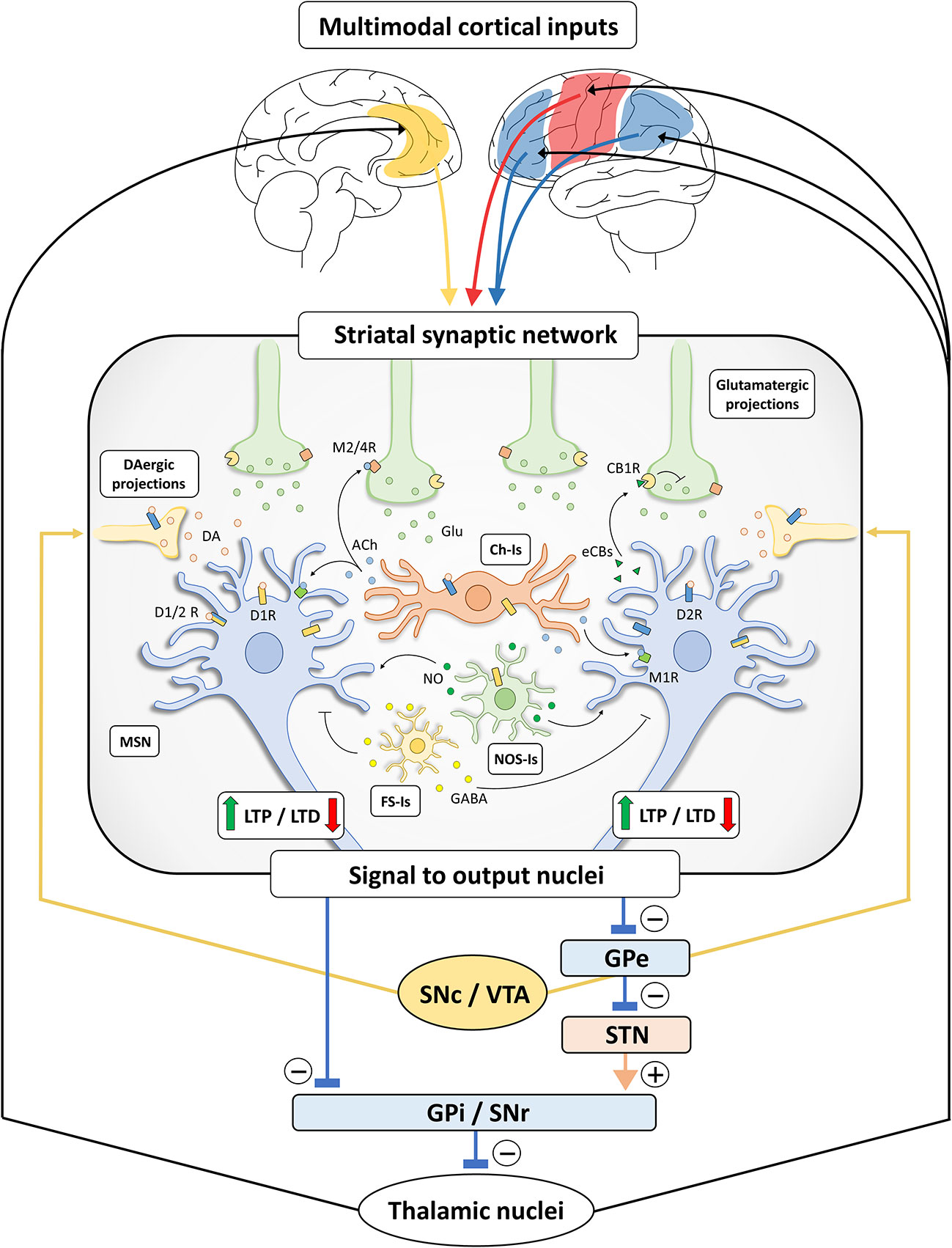
In the realm of biology, a neural network is a complex system of interconnected neurons that communicate through synapses. Each neuron can form connections with thousands of other neurons, creating a vast web of communication within the nervous system. These connections allow for the transmission of electrochemical signals, which enable the brain to process sensory input, generate thoughts, and control bodily functions.
For instance, when a person sees an object, the visual information is processed by neurons in the retina, which then sends signals through the optic nerve to the brain. The brain’s neural network interprets these signals, allowing the individual to recognize the object. This process involves not only the transfer of signals but also the integration of information across multiple layers of neurons, resulting in complex cognitive functions such as memory, decision-making, and problem-solving.
In addition to their role in cognition, neural networks are essential for motor control. Signals generated by the brain travel through the nervous system and reach muscle cells, causing them to contract and produce movement. This intricate interplay between the nervous system and muscles highlights the importance of neural networks in everyday activities.
The Rise of Artificial Neural Networks
The concept of artificial neural networks (ANNs) emerged from the study of biological neural networks. In the early 20th century, researchers like Alexander Bain and William James proposed that human thought arises from interactions among neurons. However, it wasn’t until the 1940s that the first artificial neural network was developed by Warren McCulloch and Walter Pitts. Their work laid the foundation for modern machine learning, leading to the creation of models that could mimic the behavior of biological neurons.
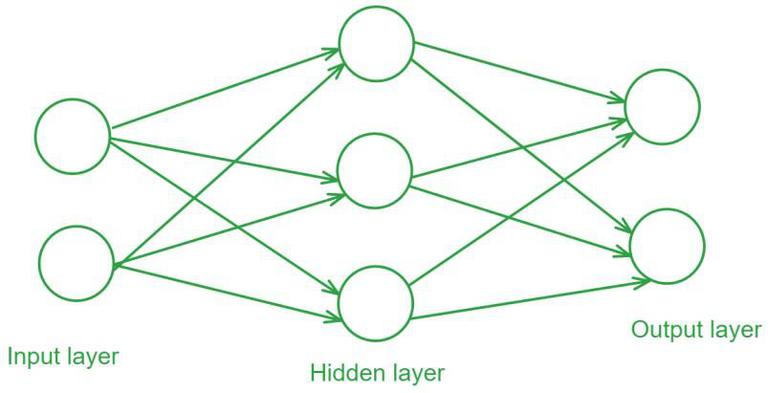
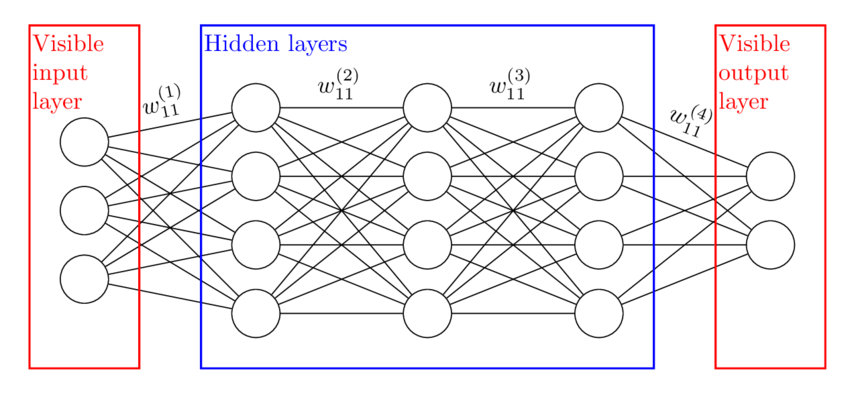
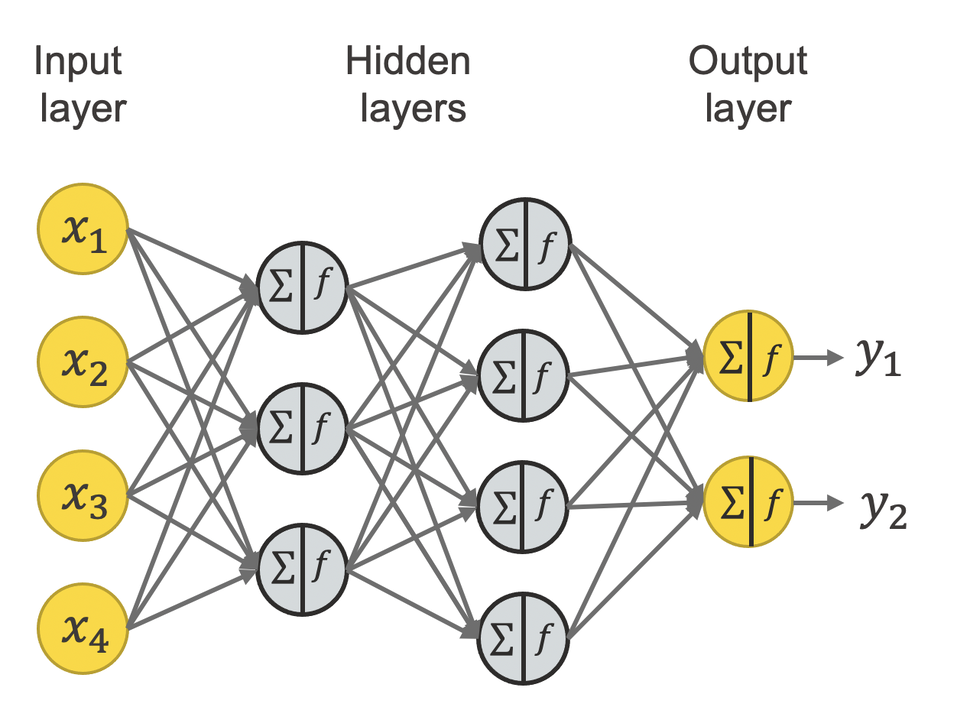
Artificial neural networks consist of layers of interconnected nodes, or “neurons,” that process data in a manner similar to the human brain. The input layer receives data, which is then passed through one or more hidden layers before reaching the output layer. Each neuron in a layer applies a weighted sum of its inputs and passes the result through an activation function, enabling the network to learn patterns and make predictions.
Key Components of Neural Networks
Several key components define the functionality of a neural network:
- Neurons: The basic units that receive inputs and process them.
- Connections: Links between neurons that carry information, regulated by weights and biases.
- Weights and Biases: Parameters that determine the strength and influence of connections.
- Propagation Functions: Mechanisms that help process and transfer data across layers.
- Learning Rule: The method that adjusts weights and biases over time to improve accuracy.
These components work together to enable the network to learn from data, adapt to new information, and make accurate predictions.
The Learning Process in Neural Networks
Training a neural network involves three main stages:
- Input Computation: Data is fed into the network, where each neuron processes the inputs.
- Output Generation: Based on the current parameters, the network generates an output.
- Iterative Refinement: The network refines its output by adjusting weights and biases, gradually improving its performance on diverse tasks.
This process is powered by two fundamental concepts: weights and biases. Weights act like dials that control how strongly each input feature influences the decision, while biases are built-in values that shift the decision threshold, allowing a neuron to activate even if the inputs themselves are weak. By adjusting these values during training, the network learns to make accurate predictions.
Applications of Neural Networks

Neural networks have found applications in various fields, including:
- Image and Video Recognition: Convolutional Neural Networks (CNNs) are used for facial recognition, autonomous driving, and medical image analysis.
- Natural Language Processing (NLP): Recurrent Neural Networks (RNNs) and transformers power language translation, chatbots, and sentiment analysis.
- Finance: Predicting stock prices, fraud detection, and risk management.
- Healthcare: Diagnosing diseases, analyzing medical images, and personalizing treatment plans.
- Gaming and Autonomous Systems: Enabling real-time decision-making in video games and autonomous systems like self-driving cars.
Challenges and Limitations
Despite their many advantages, neural networks are not without challenges. They require significant computational resources, especially for large-scale training. Additionally, their “black box” nature makes it difficult to interpret how they arrive at certain decisions, which can be problematic in critical applications. Overfitting, where a network memorizes training data instead of learning patterns, is another challenge that requires careful management through techniques like regularization.
Conclusion
Neural networks, whether biological or artificial, represent a remarkable fusion of science and technology. From the intricate web of neurons in the human brain to the sophisticated algorithms that power modern AI, these networks continue to shape our understanding of intelligence and innovation. As research progresses, the potential applications of neural networks will only expand, offering new opportunities to solve complex problems and enhance our daily lives.