The Evolution of SaaS Integration: Understanding the Key Platforms and Their Impact on Modern Business
In the rapidly evolving landscape of software as a service (SaaS), businesses are increasingly reliant on a diverse array of tools to manage their operations, from customer relationship management (CRM) systems to project management platforms. As the average organization now uses over 110 SaaS applications, the need for seamless integration has become a critical factor in ensuring productivity, efficiency, and scalability. This article explores the different types of SaaS integration platforms, their unique approaches, and how they are reshaping the way companies connect their digital ecosystems.
The Rise of SaaS Integration Platforms
The explosion of SaaS tools has created a fragmented tech stack where applications often fail to communicate with one another. This lack of interoperability leads to data silos, manual workarounds, and inefficiencies that can hinder growth. To address this challenge, SaaS integration platforms have emerged as essential solutions. These platforms enable organizations to connect their tools, automate workflows, and ensure that data flows smoothly across systems.
There are three main categories of SaaS integration platforms: Embedded SaaS Integration Platforms (Embedded iPaaS), Traditional SaaS Integration Platforms (iPaaS), and Unified APIs. Each serves a distinct purpose and caters to different needs within an organization.
Embedded SaaS Integration Platforms (Embedded iPaaS)
Embedded iPaaS platforms are designed for engineering teams at B2B SaaS companies who want to provide native integrations directly within their products. These platforms abstract away the complexities of managing authentication, defining integration logic, and monitoring performance, allowing developers to focus on building robust, user-friendly integrations.
For example, if a company like HubSpot wants to integrate with a transcription tool, an embedded iPaaS would handle the behind-the-scenes work, enabling users to authenticate and toggle features without any technical intervention. This approach ensures a seamless experience for end-users while reducing the burden on internal engineering teams.
Key features of embedded iPaaS include:
- Fully managed authentication
- Built-in error handling and auto-retry
- White-labeled end-user experience
- Integration logic builder
- Logging and monitoring tools
- Pre-built API abstractions
These platforms are particularly beneficial for SaaS providers looking to scale their integration roadmap without investing heavily in custom development.
Traditional SaaS Integration Platforms (iPaaS)

Traditional iPaaS platforms, such as Zapier or Workato, are used by operations teams and end-users to build automations between their SaaS tools. These platforms offer no-code or low-code interfaces that allow users to create workflows without requiring deep technical expertise.
For instance, an operations team might use Zapier to automatically transfer data between a CRM and an accounting system, eliminating the need for manual data entry. This is especially useful for companies whose tools do not natively support integration or when the native integration does not cover all required use cases.
However, it’s important to note that traditional iPaaS solutions are often used as a short-term fix. While they provide flexibility, they may not offer the same level of customization or depth as native integrations. Long-term, most SaaS companies aim to provide native integrations to enhance user experience and unlock new revenue opportunities.
Unified APIs
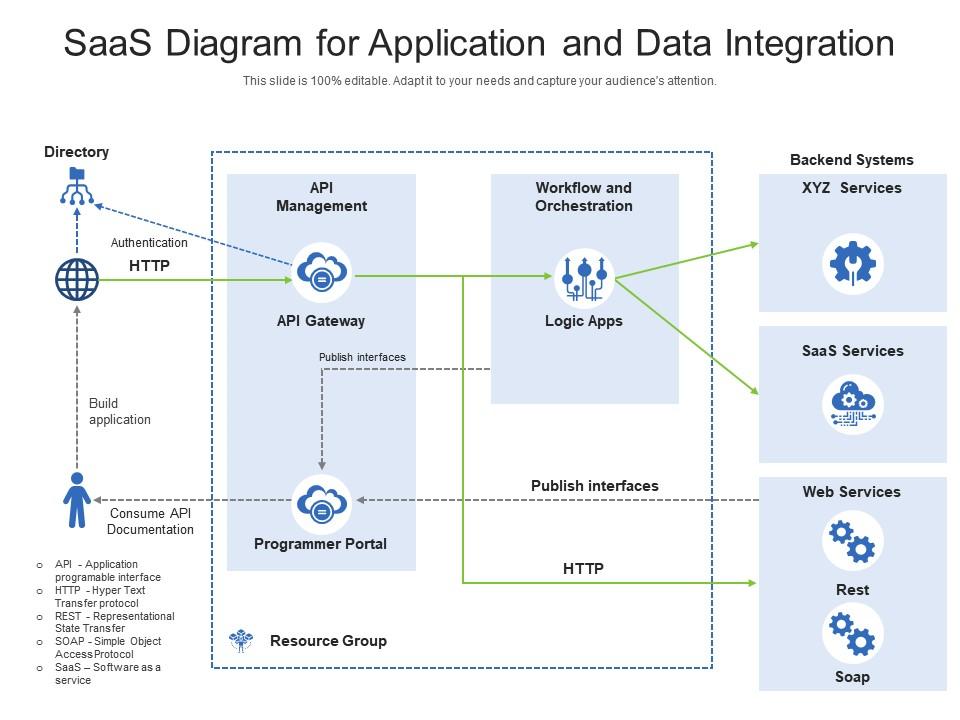
Unified APIs represent a different approach to SaaS integration, offering a single API that connects to multiple similar tools. For example, a unified API for CRMs could support integrations with Salesforce, HubSpot, and Pipedrive, allowing SaaS companies to build a single integration that works across all these platforms.
This approach can save time and resources by reducing the need to develop separate integrations for each tool. However, unified APIs often come with limitations. They may not support complex use cases or deeper integrations, which can be a drawback for businesses with specific requirements.
Despite these challenges, unified APIs can be valuable for companies looking to streamline their integration efforts and reduce the overhead associated with managing multiple connectors.
Choosing the Right SaaS Integration Platform
Selecting the right SaaS integration platform depends on several factors, including the complexity of your tech stack, the technical capabilities of your team, and your budget. Here are some key considerations:
- What systems do you need to connect? Identify the platforms that require integration, such as ERPs, CRMs, marketplaces, and more.
- How complex are your workflows? Determine whether you need basic data syncing or advanced automation across departments.
- What’s your team’s technical skill level? If you lack in-house developers, consider low-code or no-code platforms.
- What’s your budget? Evaluate pricing models and long-term costs to ensure the platform fits your financial constraints.
- How scalable is the tool? Ensure the platform can grow with your business and accommodate future needs.
By carefully assessing these factors, businesses can choose the SaaS integration platform that best aligns with their goals and operational requirements.
Conclusion
As the SaaS ecosystem continues to expand, the importance of integration cannot be overstated. Whether through embedded iPaaS, traditional iPaaS, or unified APIs, businesses have a range of options to connect their tools and streamline their workflows. By understanding the strengths and limitations of each platform, organizations can make informed decisions that drive efficiency, reduce friction, and unlock the full potential of their digital infrastructure.
Ultimately, the right SaaS integration strategy will depend on the unique needs of each business. However, one thing remains clear: in today’s interconnected world, integration is not just a convenience—it’s a necessity.