The Evolution of U.S. Data Privacy Laws: A Comprehensive Overview
The United States has seen a significant shift in data privacy regulations over the past few years, with states increasingly taking the lead in enacting comprehensive laws to protect consumer data. This article explores the current landscape of U.S. data privacy laws, highlighting key developments, enforcement actions, and the impact on businesses and consumers.
State-Level Data Privacy Laws: A Growing Trend
As of 2025, a total of twenty states have passed comprehensive data privacy laws, reflecting a growing trend toward state-level regulation in the absence of a federal framework. These states include California, Virginia, Colorado, Connecticut, Utah, Florida, Texas, Oregon, Montana, Delaware, New Hampshire, New Jersey, Iowa, Nebraska, Kentucky, Maryland, Minnesota, and Rhode Island. Among these, California, Colorado, Connecticut, Virginia, Utah, Florida, Texas, Oregon, Montana, Delaware, Iowa, Nebraska, New Hampshire, and New Jersey’s laws are currently effective, while Tennessee, Minnesota, and Maryland’s laws will become effective later in 2025.
Key Provisions of State Laws
Each state’s law includes unique provisions tailored to its specific needs and concerns. For example, the California Consumer Privacy Act (CCPA) grants residents the right to access, delete, and opt out of the sale of their personal information. Similarly, the Virginia Consumer Data Protection Act (VCDPA) provides similar rights, emphasizing transparency and consumer control.
Enforcement and Compliance Challenges

Enforcement of these laws has become a priority for state attorneys general and federal agencies. In 2025, the California Attorney General, Rob Bonta, announced a record $1.55 million settlement with Healthline Media LLC for alleged violations of the CCPA. This case highlights the increasing scrutiny on businesses that fail to comply with data privacy regulations.
Recent Enforcement Actions

Other notable enforcement actions include the Federal Trade Commission (FTC) publishing final amendments to the Children’s Online Privacy Protection Act (COPPA) Rule in April 2025. These amendments expand the requirements for website operators to protect children’s data and provide parents with greater control over how their children’s data is used.
In addition, the Oregon Attorney General released a report detailing the implementation steps and enforcement actions taken during the first six months of the Oregon Consumer Privacy Act (OCPA). This report underscores the importance of compliance and the need for businesses to understand and adhere to these new regulations.
Impact on Businesses
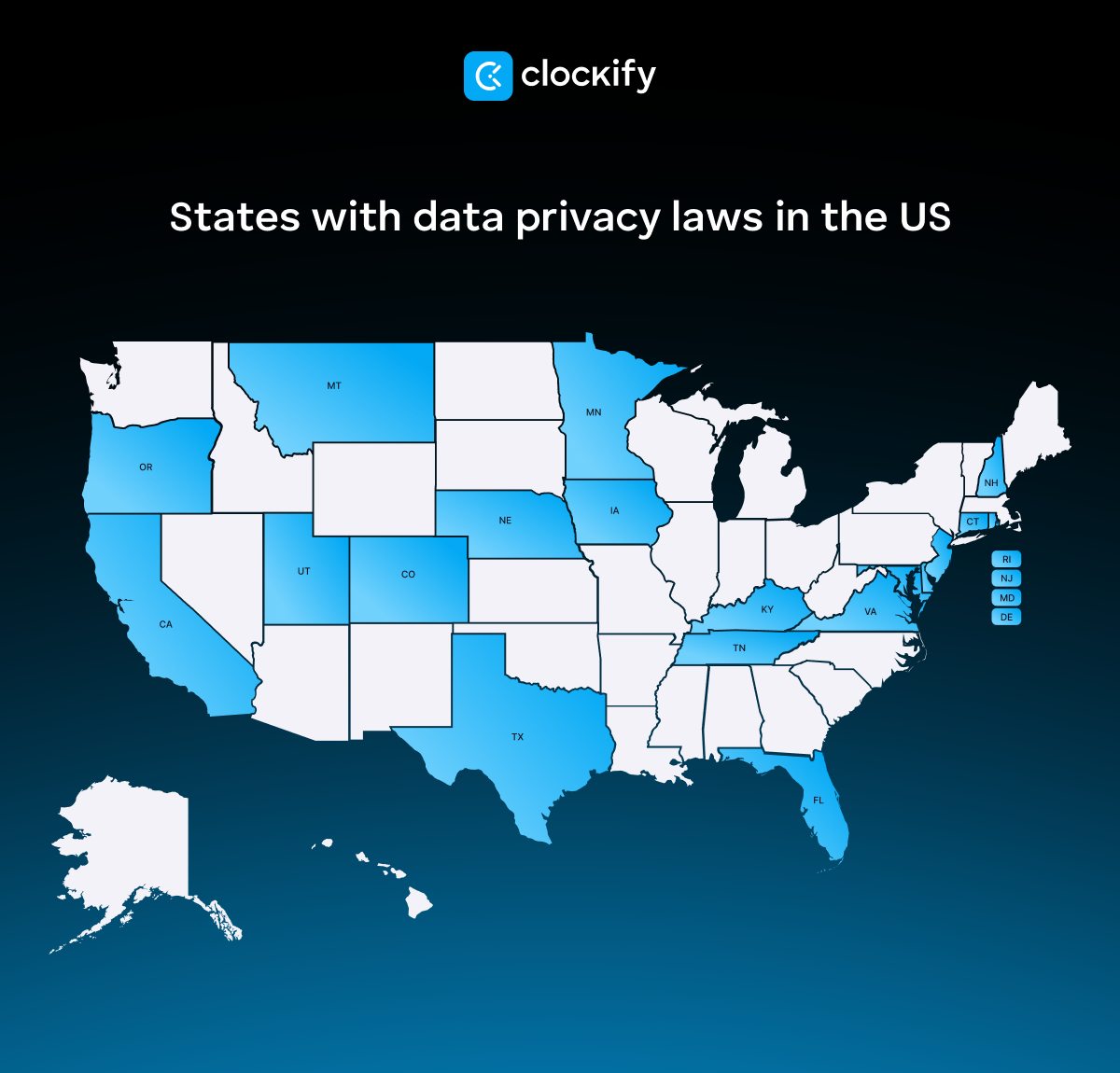
The proliferation of state laws has created a complex compliance environment for businesses. With each state having its own set of rules, companies must navigate a patchwork of regulations, which can be both time-consuming and costly. This complexity is further exacerbated by the lack of a uniform federal law, leading to increased legal and operational challenges.
Industry-Specific Regulations
Certain industries face additional regulatory requirements. For instance, the Gramm-Leach-Bliley Act (GLBA) governs the protection of personal information in the financial services industry, while the Health Insurance Portability and Accountability Act (HIPAA) regulates health information. These sector-specific laws add another layer of complexity for businesses operating in multiple industries.
Emerging Trends and Future Outlook
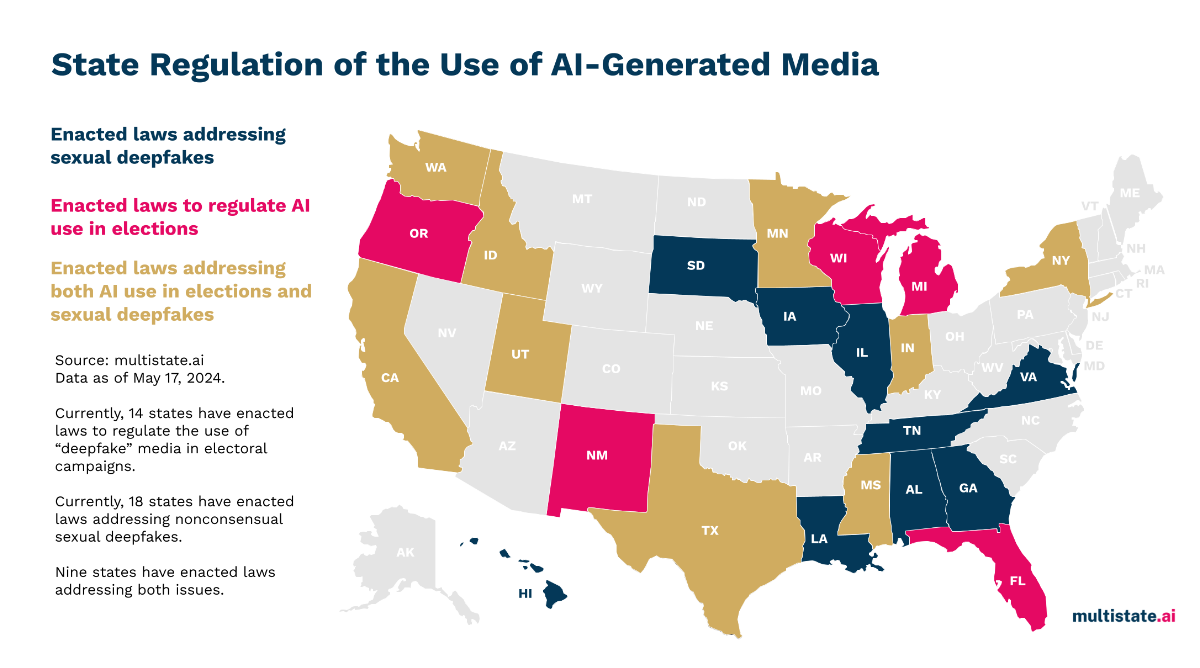
The future of data privacy in the U.S. is likely to be shaped by several emerging trends. One significant development is the increasing focus on artificial intelligence (AI) and its implications for data privacy. While the U.S. has not enacted a national AI law, many states are introducing their own AI legislation, creating a fragmented regulatory landscape.
The Role of the FTC

The Federal Trade Commission (FTC) continues to play a crucial role in enforcing data privacy laws. In 2025, the FTC issued guidance to help individuals and entities comply with the Data Security Program (DSP Rule), which restricts bulk data transactions involving certain countries. This guidance reflects the FTC’s commitment to protecting consumer data and ensuring compliance with evolving regulations.
Conclusion
The landscape of U.S. data privacy laws is rapidly evolving, with states taking the lead in enacting comprehensive regulations. As businesses navigate this complex environment, understanding and complying with these laws is essential. The ongoing efforts by state attorneys general and federal agencies to enforce these regulations highlight the importance of data privacy in today’s digital age. As more states pass new laws and existing ones are enforced, the need for robust compliance strategies will only continue to grow.