
The Expansive Reach of AWS: A Deep Dive into Its Global Infrastructure and Services
The Amazon Web Services (AWS) cloud has become a cornerstone of modern digital infrastructure, offering an extensive array of services and solutions tailored to meet the needs of businesses, developers, and enterprises worldwide. With its global infrastructure spanning 120 Availability Zones across 38 geographic regions, AWS continues to expand its footprint, with plans for 10 more Availability Zones and three new regions in the Kingdom of Saudi Arabia, Chile, and the AWS European Sovereign Cloud. This growth underscores AWS’s commitment to providing reliable, scalable, and secure cloud computing solutions that support innovation and business continuity.
Understanding AWS’s Global Footprint
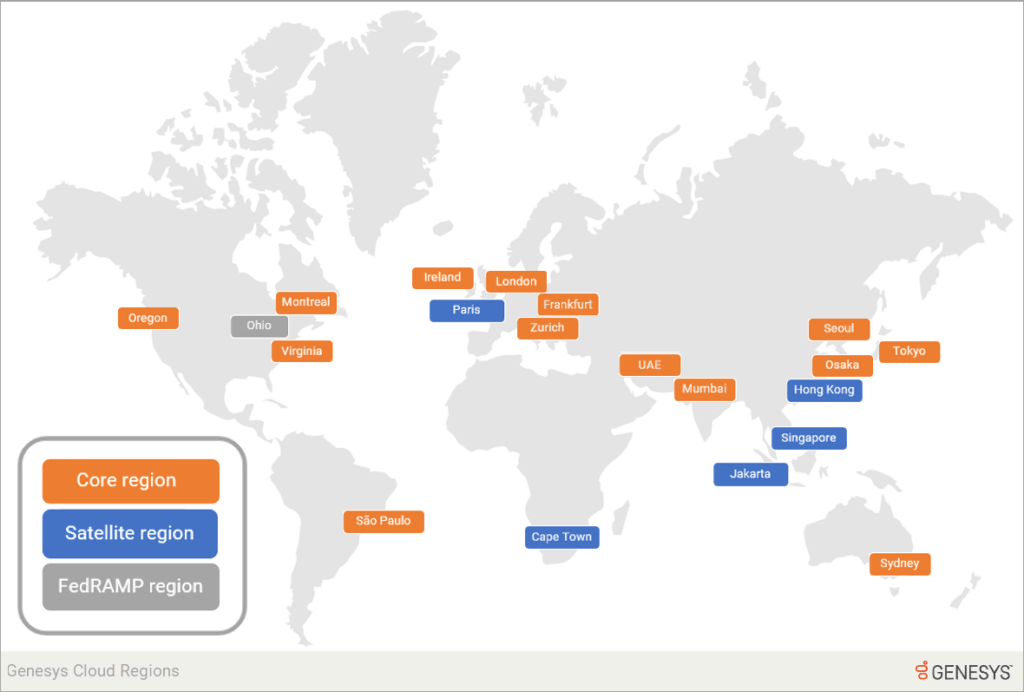
AWS’s global infrastructure is strategically distributed across multiple continents, ensuring that users can access services from locations closest to them. The regions include North America, South America, Europe, the Middle East, Africa, Asia Pacific, and Australia and New Zealand. Each region is designed to provide low-latency access to compute, storage, and networking resources, enabling organizations to deliver high-performance applications and services to their customers around the world.
This geographical spread not only enhances performance but also ensures redundancy and disaster recovery capabilities. By leveraging multiple Availability Zones within a single region, AWS allows users to build highly available and fault-tolerant applications that can withstand outages and maintain continuous operations.
Key AWS Services for Modern Businesses

Beyond its global infrastructure, AWS offers a vast ecosystem of services that cater to various aspects of cloud computing, including compute, storage, databases, analytics, machine learning, and more. These services are designed to empower organizations to innovate, scale, and optimize their operations efficiently.
Compute Services
AWS provides a wide range of compute services, including Amazon EC2, which offers virtual servers in the cloud. With instances like the C7g, C7gn, G5g, and others, AWS enables users to choose the right compute power for their specific workloads. Additionally, AWS Lambda allows for serverless computing, where code runs without the need to manage underlying infrastructure.
Storage Services

Storage is a critical component of any cloud strategy, and AWS offers several options to suit different needs. Amazon S3 provides object storage with high durability and scalability, while Amazon EBS offers block storage for EC2 instances. AWS also provides tools like Amazon FSx and Amazon Glacier for specialized use cases such as file systems and long-term archival storage.
Databases

AWS supports a variety of database solutions, including relational databases like Amazon RDS and Amazon Aurora, as well as NoSQL databases like Amazon DynamoDB. These services offer managed, scalable, and secure options for storing and retrieving data, making it easier for organizations to focus on application development rather than database administration.
Analytics and Machine Learning
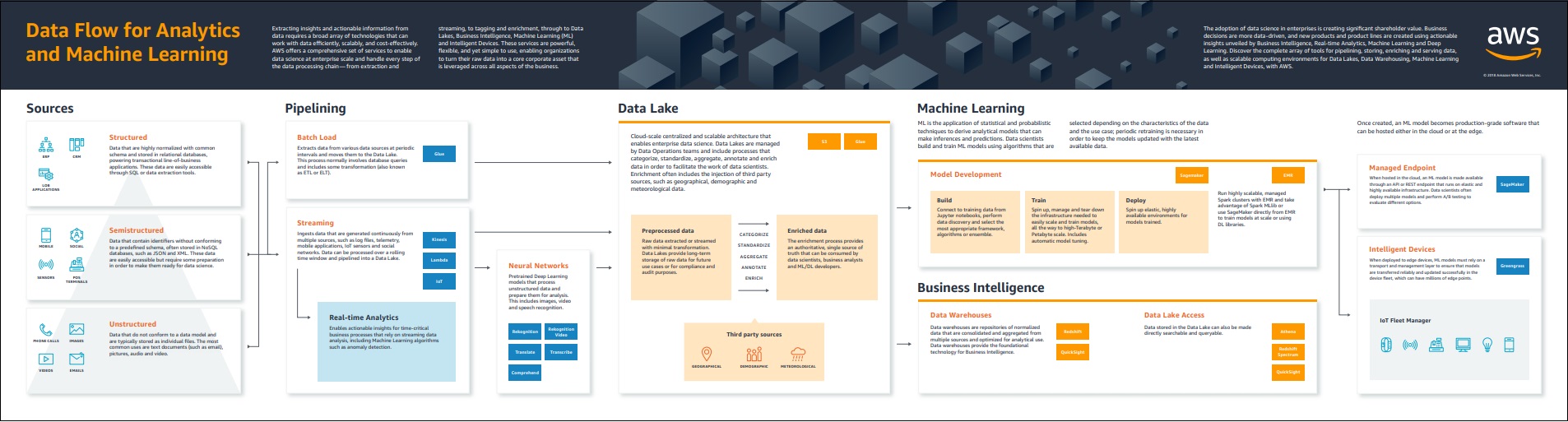
With services like Amazon Athena, Amazon Redshift, and Amazon SageMaker, AWS enables users to analyze large datasets and build machine learning models. These tools help organizations gain insights from their data, automate decision-making processes, and improve customer experiences through predictive analytics and AI-driven solutions.
Conclusion: Embracing the Power of AWS

As AWS continues to expand its global infrastructure and enhance its suite of services, it remains a leader in the cloud computing industry. Whether you’re a startup looking to launch your first application or an enterprise seeking to scale your operations, AWS provides the tools and resources needed to succeed in today’s digital landscape. By leveraging AWS’s comprehensive offerings, businesses can achieve greater agility, cost efficiency, and innovation, ensuring they stay competitive in an ever-evolving market.