The Future of Certification Management: How Professional Certification Management Software is Revolutionizing Compliance and Efficiency
In today’s fast-paced business environment, managing professional certifications has become a critical challenge for organizations of all sizes. From healthcare professionals to construction workers, the need for up-to-date credentials is essential to maintain compliance, ensure safety, and meet industry standards. However, the traditional methods of tracking certifications—such as spreadsheets and manual reminders—are no longer sufficient. This is where Professional Certification Management Software (PCMS) comes into play, offering a streamlined, automated solution that transforms how businesses manage their workforce’s credentials.
The Problem: Inefficient Certification Tracking
According to the U.S. Bureau of Labor Statistics (BLS), nearly 24% of employed workers in the United States hold a certification or license, with this number rising to 25.1% among full-time employees. Despite the prevalence of certifications, many organizations still rely on outdated tools like spreadsheets to track renewal dates and compliance requirements. This method is not only time-consuming but also prone to errors, leading to missed deadlines, non-compliance penalties, and potential legal issues.
The complexity of managing certifications increases when dealing with multiple jurisdictions, varying renewal cycles, and a large number of employees. For example, healthcare providers must keep track of licenses that expire monthly, while engineers may have annual renewals. Without a centralized system, it becomes challenging to monitor these timelines effectively.
The Solution: Automating Certification Management

Professional Certification Management Software (PCMS) is designed to address these challenges by automating the entire certification lifecycle. These platforms offer features such as:
- Automated Reminders: Smart notifications prevent certification lapses and maintain workforce compliance.
- Centralized Storage: Secure document management keeps organizations audit-ready with minimal administrative effort.
- System Integration: Seamless connections with HR and LMS platforms eliminate data silos and enhance employee training workflows.
- Reporting Features: Real-time dashboards provide compliance insights, support workforce planning, and improve professional development tracking.
- Scalable Growth: Cloud-based solutions accommodate teams of any size with flexible pricing.
By leveraging PCMS, organizations can reduce the risk of non-compliance, save time, and ensure that their workforce remains up-to-date with the latest certifications.
Top 6 PCMS Providers in 2025

With the growing demand for efficient certification management, several platforms have emerged as leaders in the field. Here are the top six PCMS providers in 2025, each offering unique features and capabilities:
01. CE App – Professional Certification Management Excellence
CE App stands out as the best PCMS available, offering comprehensive automation that meets the unique needs of every organization. Its platform enables seamless processing and management of professional certifications, reducing administrative burdens significantly. Key features include:
- Advanced Workflow Automation
- Customizable Reports
- Effortless Tracking
- Comprehensive Integration Capabilities
- Multistate CE Tracking
- Real-Time Progress Monitoring
- Scalable Pricing Model
- Secure Document Management
CE App’s specialization in continuing education (CE) tracking makes it particularly valuable for credentialing organizations, employers, associations, educators, healthcare providers, and other industries with ongoing certification requirements.
02. Member365 – Membership Management Platform for Associations
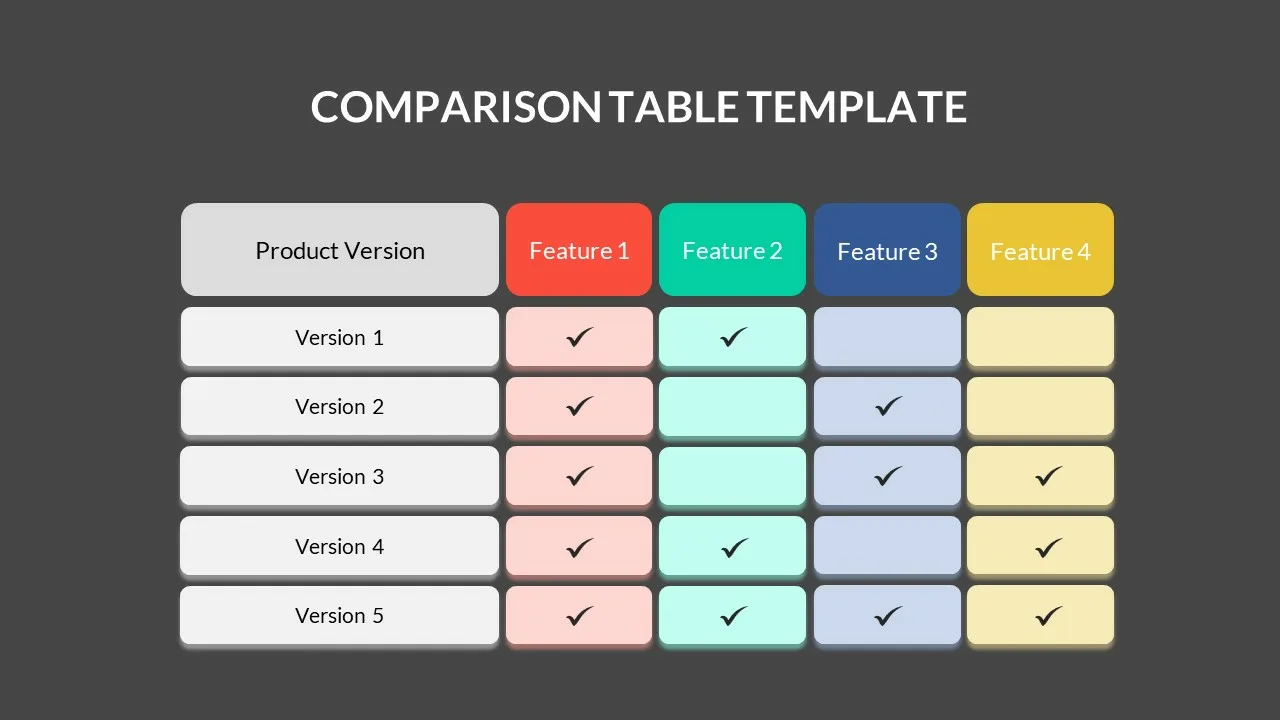
Member365 is known for its membership management capabilities, helping organizations manage member databases, communications, and events. While it offers basic CE tracking, it lacks multistate CE tracking and limited integration with third-party tools, making it less suitable for complex certification needs.
03. Certemy – Enterprise Compliance Management
Certemy focuses on large-scale license verification and compliance workflows, making it ideal for highly regulated enterprises. It excels in primary source verification and regulatory reporting but is expensive for smaller organizations and lacks depth in continuing education features.
04. Cobalt – Advanced Certification Program Management
Cobalt provides enterprise-grade certification program management, specializing in deep Microsoft ecosystem integrations. It is more suited for large organizations requiring heavy customization rather than flexible CE tracking.
05. TalentGuard – Integrated Talent Development
TalentGuard combines basic certification tracking with broader HR and talent management capabilities. Its core strength lies in workforce development, not certification management or CE tracking.
06. Expiration Reminder – Automated Compliance Tracking
Expiration Reminder provides simple expiration date tracking with automated alerts and document management. It is more of a reminder system than a full certification management platform.
Implementation Roadmap for Certification Management Software

Deploying certification management software requires careful planning and execution. Here is a step-by-step implementation roadmap:
Phase 1: Planning and Preparation
- Assemble a cross-functional team from HR, IT, and compliance.
- Conduct a current state assessment to identify bottlenecks.
- Define success metrics and allocate a timeline of 2-4 weeks.
Phase 2: Software Evaluation and Selection
- Request demos from shortlisted vendors.
- Evaluate integration capabilities with existing systems.
- Test user experience and compare total cost of ownership (TCO).
Phase 3: Configuration and Integration
- Customize workflow setup to align with organizational processes.
- Enable automated tracking and optimize application processing.
- Complete testing phase over 4-6 weeks.
Phase 4: Data Migration and Validation
- Prepare data for migration and validate accuracy.
- Establish compliance standards and maintain audit readiness.
Phase 5: Training and Rollout
- Deliver comprehensive training using various formats.
- Execute a pilot program before full launch.
- Enable user access and establish ongoing support.
Key Considerations When Selecting PCMS

When choosing the right PCMS for your organization, consider the following factors:
- Understand Your Compliance Requirements
-
Different industries have unique regulations. For example, healthcare requires HIPAA compliance, while construction needs OSHA requirements.
-
Evaluate Technical Support Quality
-
Fast response times, comprehensive training resources, and implementation assistance are crucial for smooth operations.
-
Plan for Organizational Growth
-
Ensure the software can scale with your organization, accommodating additional employees, expanded certification types, and multiple locations.
-
Calculate Total Cost of Ownership
-
Factor in implementation, training, licensing, and integration costs to make an informed decision.
-
Prioritize Essential Software Features
- Look for automated renewal tracking, document management, reporting capabilities, and integration options.
Conclusion: Embracing the Future of Certification Management
Managing certifications without the right tools can lead to costly mistakes and compliance issues. By adopting professional certification management software, organizations can streamline their processes, reduce administrative burdens, and ensure that their workforce remains compliant and up-to-date. With the right platform, such as CE App, businesses can turn certification management into a strategic advantage, supporting growth, compliance, and operational efficiency.
As the landscape of professional certifications continues to evolve, investing in a robust PCMS is no longer optional—it’s essential. Organizations that embrace these technologies will be better positioned to navigate the complexities of compliance, maintain a competitive edge, and foster a culture of continuous learning and improvement.