The Future of DevOps: SaaS Tools Transforming Cloud Infrastructure
In the ever-evolving landscape of cloud computing, DevOps SaaS tools are redefining how teams operate. These tools automate tasks, enhance collaboration, and improve security, enabling teams to deliver projects faster and more reliably. From continuous integration to infrastructure as code, these platforms are indispensable for modern cloud teams. Here’s a comprehensive look at the most effective SaaS monitoring and management tools that are shaping the future of DevOps.
The Rise of SaaS Monitoring Tools in DevOps
As organizations increasingly rely on cloud-based infrastructures, the need for robust monitoring solutions has never been greater. SaaS monitoring tools like Sematext, New Relic, Middleware, Dynatrace, Sumo Logic, Elasticsearch, OpsGenie, PagerDuty, Amazon CloudWatch, and Pingdom have become essential for DevOps teams. These tools provide real-time insights into system performance, application health, and user experience, allowing teams to identify and resolve issues before they impact end-users.
Sematext: All-in-One DevOps Monitoring
Sematext Cloud offers a unified solution for infrastructure performance, log monitoring, real-user monitoring, and synthetic monitoring. It supports microservices and containerized environments, making it ideal for modern cloud-native applications. With powerful machine learning-based alerting and a generous 14-day free trial, Sematext is a top choice for teams looking to streamline their monitoring processes.
New Relic: Comprehensive Application Performance Monitoring

New Relic provides application monitoring, customer experience monitoring, and analytics of monitored data. Its freemium model allows users to access basic features for free, making it an attractive option for startups and small businesses. With support for Ruby, Python, and other languages, New Relic is a versatile tool for developers.
Middleware: AI-Powered Observability Platform

Middleware offers a unified AI-powered observability platform that helps DevOps teams monitor cloud infrastructure and applications in real-time. Its freemium pricing model includes logs, metrics, and traces, making it a cost-effective solution for teams of all sizes. The integration of GPT-4 for error resolution further enhances its capabilities.
Dynatrace: Intelligent Root-Cause Analysis
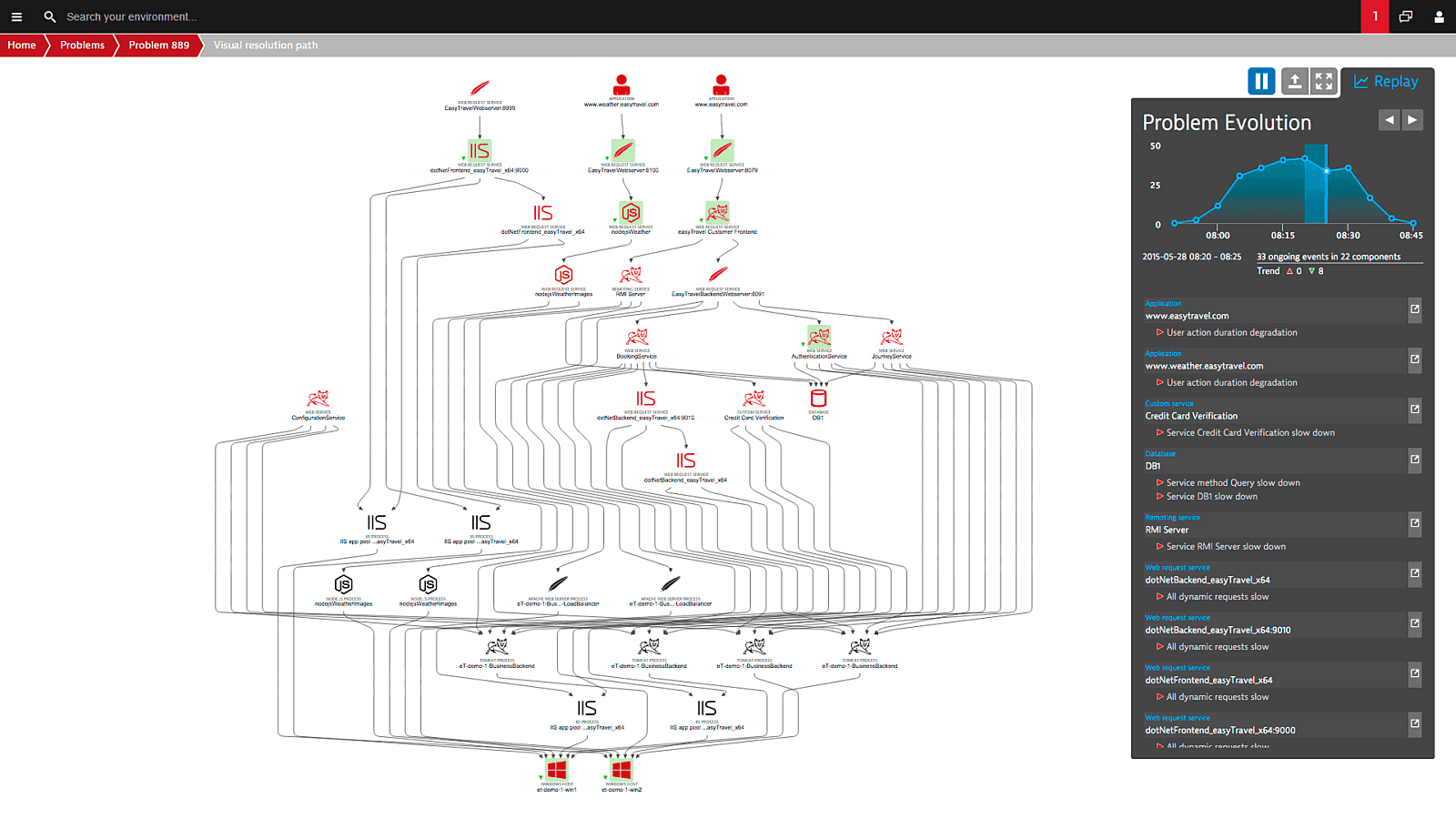
Dynatrace stands out with its intelligent root-cause analysis and predictive analytics. Its “Smartscape” technology automatically discovers dependencies across tiers and stacks, providing a real-time map of the environment. This makes it easier for teams to understand the impact of changes and quickly resolve issues.
Key Features of Effective DevOps SaaS Tools

When evaluating SaaS monitoring and management tools, several key features should be considered:
- Comprehensive Monitoring: The tool should cover infrastructure, application, and user performance metrics.
- Real-Time Insights: Real-time data is crucial for proactive issue resolution.
- Scalability: The tool should scale with your organization as it grows.
- Integration Capabilities: Compatibility with other DevOps tools and platforms is essential.
- User-Friendly Interface: An intuitive UI can significantly reduce the learning curve for new users.
The Role of Automation in DevOps
Automation is at the heart of DevOps practices. Tools like Jenkins, Terraform, Ansible, and Datadog enable teams to automate testing, deployment, and infrastructure management. This not only speeds up the development cycle but also reduces the risk of human error.
Jenkins: Continuous Integration and Deployment
Jenkins is a widely used tool for continuous integration and deployment. It supports a vast array of plugins, making it highly customizable. Its ability to integrate with cloud platforms like AWS, GCP, and Azure makes it a popular choice among DevOps teams.
Terraform: Infrastructure as Code
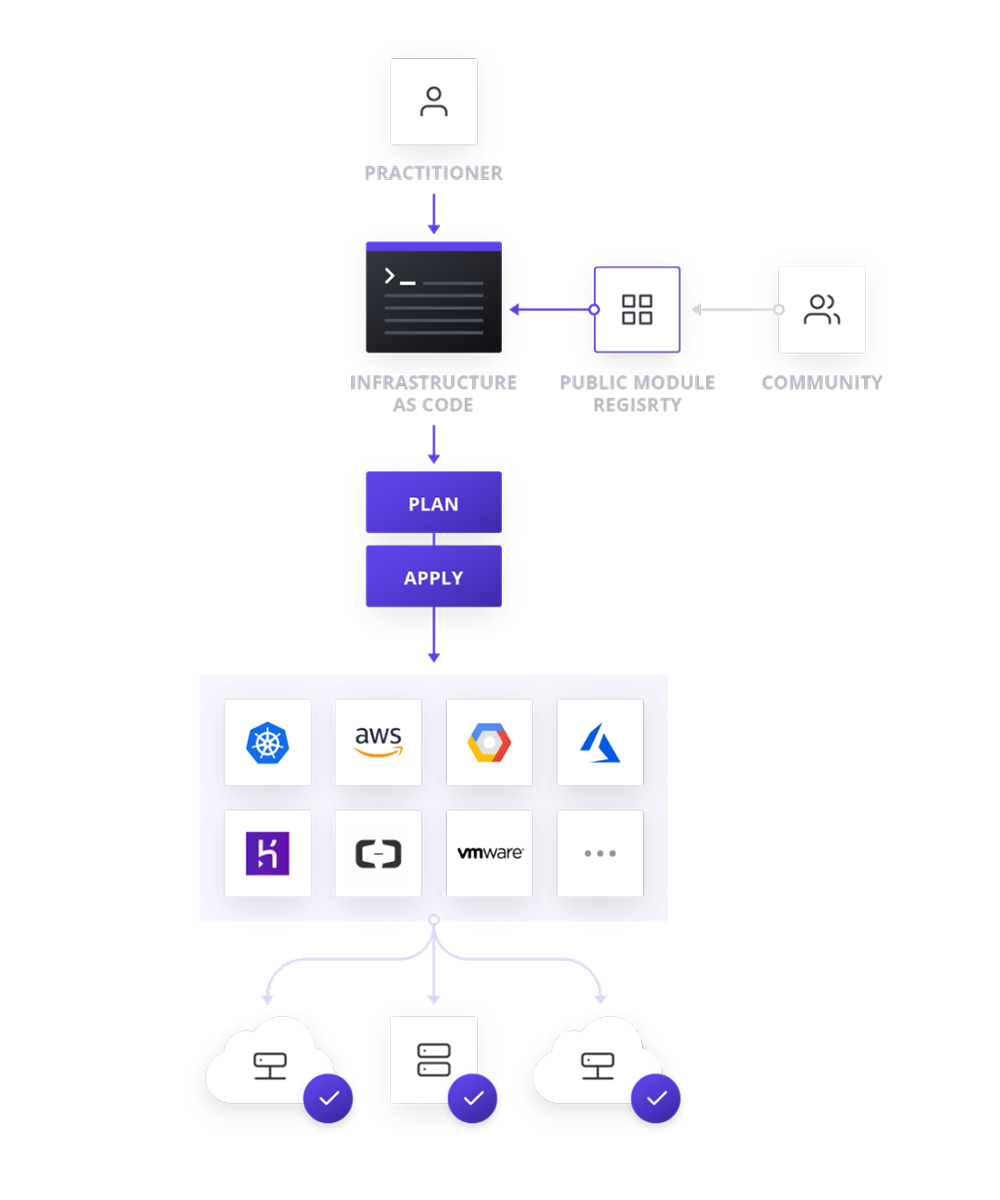
Terraform allows teams to manage infrastructure using code, making it easier to version control and replicate configurations. Its compatibility with major cloud providers ensures that teams can manage their infrastructure efficiently.
The Importance of Security in DevOps
Security cannot be overlooked in DevOps practices. Tools like Aqua Security and Chef InSpec help teams implement security checks throughout the development lifecycle. By integrating security into every stage, teams can prevent vulnerabilities from reaching production.
Aqua Security: Secure Cloud Environments
Aqua Security focuses on securing cloud environments by protecting running containers and serverless setups. Its automated scanning and policy enforcement ensure that security standards are met consistently.
Conclusion
DevOps SaaS tools are transforming how teams work in the cloud. From monitoring and automation to security and collaboration, these tools provide the necessary infrastructure to build, deploy, and manage applications efficiently. As the cloud landscape continues to evolve, the adoption of these tools will be crucial for organizations looking to stay competitive and innovative.