The Future of SaaS Marketing: Why Automation is the Key to Growth in 2025
In the rapidly evolving world of Software as a Service (SaaS), businesses are under immense pressure to stay ahead of the competition. With the market projected to reach $299 billion by 2025, the importance of a robust marketing automation strategy cannot be overstated. Over 70% of high-performing SaaS companies leverage marketing automation, while only 18% of underperforming ones do. This stark contrast highlights the critical role that automation plays in driving growth and ensuring long-term success.
The Evolution of SaaS Marketing Strategies

As AI reshapes how customers discover and engage with solutions, successful SaaS companies are shifting from broad top-funnel content to precision-targeted, intent-driven automation. This evolution is not just about efficiency; it’s about creating meaningful connections with potential users at every stage of their journey.
Key Components of a Successful SaaS Marketing Automation Strategy
-
AI-Powered Personalization at Scale: By leveraging artificial intelligence, SaaS companies can deliver personalized experiences to thousands of users simultaneously. This ensures that each user receives content that aligns with their specific needs and preferences.
-
Omnichannel Automation Across the Entire Funnel: A well-structured automation strategy should cover all touchpoints, from initial awareness to post-purchase engagement. This ensures a seamless experience for users, regardless of the channel they use to interact with the brand.
-
Predictive Analytics for Proactive Customer Retention: Predictive analytics allows SaaS companies to anticipate customer behavior and take proactive steps to retain them. This includes identifying at-risk users and implementing targeted interventions to prevent churn.
-
Account-Based Marketing Workflows: By focusing on high-value accounts, SaaS companies can tailor their marketing efforts to meet the unique needs of each client. This approach not only improves conversion rates but also strengthens customer relationships.
Mapping Each Funnel Stage to Specific User Intent
A successful SaaS marketing funnel is more than just a diagram; it’s a fluid representation of how users think, search, and make decisions. Aligning each stage of the funnel with a desired user intent is crucial for guiding potential users through the conversion journey.
Top of the Funnel (TOFU)
At the top of the funnel, potential users are typically in the awareness or problem acknowledgment phase. They may not even know your SaaS solution exists. Content here should be educational, not promotional. Consider blog articles, explainer videos, checklists, or comparison pieces.
Middle of the Funnel (MOFU)

As users move into the middle of the funnel, they are experimenting with solutions. Here, the buyer’s intent becomes more solution-oriented. They are comparing tools, pricing models, and benefits. Use case pages, ROI calculators, webinars, and product comparisons thrive here.
Bottom of the Funnel (BOFU)
At the base of the funnel, the user is ready to make a decision about whether to choose you or someone else. At this stage, focus on optimizing for conversion. Whether it’s offering free trials, time-sensitive deals, onboarding demos, or customer quotes/testimonials, make it easy for users to not hesitate.
Creating Value-Driven Lead Magnets That Actually Convert

Every successful SaaS marketing funnel starts by providing value to the target audience. Lead magnets are essential in this process, as they initiate the customer journey with a risk-free glimpse of your authority.
Types of High-Promise Lead Magnets in 2025
- ROI & Savings Calculators: Help users visualize the amount of time or money they could save by using your solution.
- Fill-in-the-Blank Templates & Frameworks: Provide ready-to-use tools such as marketing automation workflows or KPI dashboards.
- Exclusive Industry Reports: Leverage unique data to position your brand as a thought leader.
- Free Mini Courses or Webinars: Offer educational content that builds trust and provides instant value.
- Personalized Quizzes and Assessment Tools: Engage users with interactive content that gives them personalized feedback.
Automating Your Funnel with Smart SaaS Marketing Tools
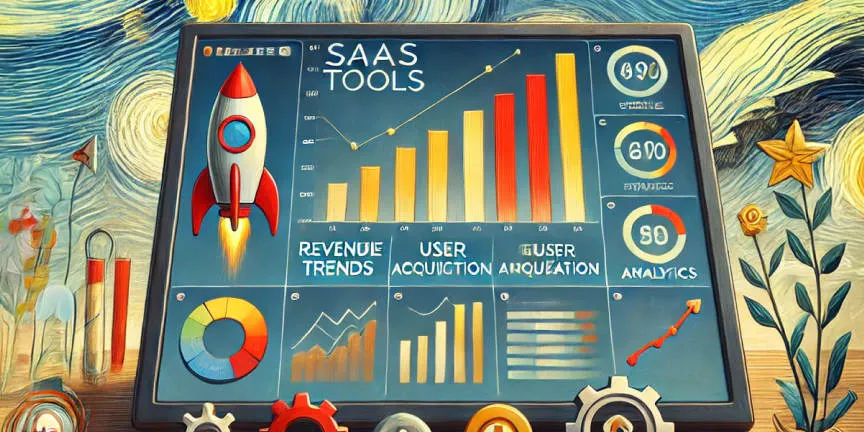
Once you have leads in your database, the challenge is to engage them and nurture them at scale without losing the personal touch. Automation is key to achieving this balance.
Why Automation is Non-Negotiable in 2025
The average SaaS buyer sees 6-8 touch points before converting. Manual workflows often miss these opportunities, leading to lost leads. Automation helps ensure that prospects are engaged and appropriately followed up with, increasing the chances of demo conversion.
Driving Demand with High-Intent Content Marketing
No SaaS marketing funnel is complete without a proper content strategy. High-intent content builds trust and drives conversion by addressing the specific needs of potential users.
What High-Intent Content Looks Like in a SaaS Funnel
- Product-Led Blogs: In-depth articles that describe how your SaaS products solve pain points.
- Comparison & Alternative Pages: Show how your solution compares to others in the market.
- Customer Stories & Use Cases: Share real-life examples of how your product has benefited users.
- Interactive Tools & Templates: Offer free tools or ROI calculators to provide instant value.
Nurture Leads Through Segmented Email Campaigns
Email remains one of the highest ROI channels for SaaS when personalized and automated. An effective email nurture strategy ensures that your brand stays top of mind and nudges users towards conversion.
Email Marketing Smart Strategies
- Segment by Funnel Stage: Tailor messaging to the specific stage of the funnel.
- Set Up Behavioral Triggers: Automate emails based on user activities.
- Create an Email Drip Sequence: Educate, resolve objections, and communicate benefits over time.
- Provide Value in Every Email: Use every email as an opportunity to provide valuable insights.
Optimizing Your Funnel Using Data & Performance Insights
If you don’t measure it, you can’t improve it. Data-driven funnel optimization provides clarity into where leads fall off, which content converts, and which channels drive the highest lifetime value.
Main Ways to Use Data to Optimize Your Funnel
- Track Metrics at Every Stage: Monitor KPIs such as click-through rates, bounce rates, and free trial activations.
- Conduct Cohort Analysis: Identify pain points and drop-offs by segmenting leads.
- A/B Test Landing Pages and CTAs: Address flow and user experience by tweaking copy, layout, or offers.
- Use Visualization Tools: Map out funnel stages to surface leaks or lags.
Conclusion
An exceptional SaaS marketing funnel is an intentional combination of planning, data-driven improvements, and an iterative process. From the initial understanding of the target audience to nurturing leads with bespoke content and marketing automation, your funnel facilitates the journey from prospect to customer. Each step in the journey has value and contributes to conversions and long-term value from customers.
By implementing these seven strategies, SaaS companies can increase acquisition, decrease churn, and optimize lifetime value. If you’re feeling overwhelmed or confused about where to begin, remember that a well-structured funnel cannot be built overnight. With the right expertise and technology, however, it can be designed smarter and faster.
For assistance in designing or scaling your SaaS marketing funnel, reach out to the professionals at Agami Technologies. They help SaaS teams turn strategy into sustainable growth.