
The Future of Supply Chain SaaS: Market Growth and Emerging Trends
The supply chain and logistics industries have undergone a dramatic transformation, especially in the wake of the pandemic. While physical infrastructure like road repairs often dominate public discourse, the real revolution lies in the digital realm—specifically, in the evolution of Supply Chain Software as a Service (SaaS). This shift has not only redefined how businesses operate but has also created new opportunities for innovation, efficiency, and scalability.
Understanding Supply Chain SaaS

Software as a Service (SaaS) is a cloud-based delivery model where software is hosted by a third-party provider and made available to customers over the internet. In the context of supply chains, SaaS solutions provide businesses with access to tools that manage everything from procurement and inventory to logistics and supplier collaboration—all without the need for on-premise installations or extensive IT infrastructure.
According to Allied Market Research, the global SaaS-based Supply Chain Management (SCM) industry generated $7.3 billion in 2020 and is projected to reach $26 billion by 2030. This exponential growth underscores the increasing reliance on digital tools to navigate the complexities of modern supply chains.
Why the Surge in Supply Chain SaaS?
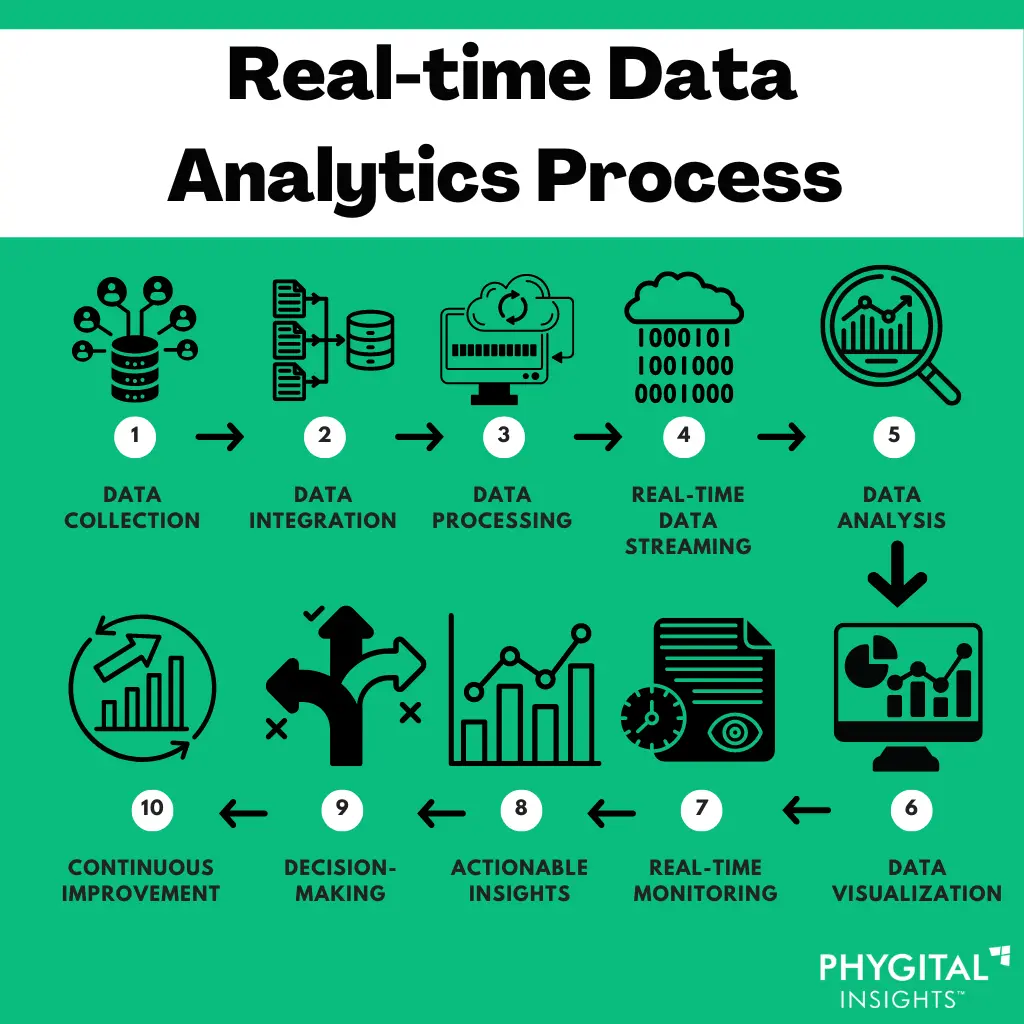
Several factors are driving the rapid adoption of SaaS in supply chain management:
1. Digitization and Automation
As Mike Droesch of Bessemer Partners notes, “digitization is enabling a new wave of data infrastructure, workflow automation, and collaboration platforms.” SaaS solutions streamline operations by automating repetitive tasks, reducing human errors, and improving overall efficiency.
2. Cost Efficiency
Traditional on-premise systems require significant upfront investments in hardware, software, and maintenance. SaaS eliminates these costs by offering a subscription-based model, allowing businesses to pay only for what they use. This makes it particularly attractive for small and mid-sized enterprises.
3. Scalability
SaaS platforms are designed to scale effortlessly with a business. Whether a company is expanding its operations or adapting to seasonal fluctuations, SaaS solutions can be adjusted to meet changing demands without requiring additional hardware or IT support.
4. Real-Time Data Access
In an era where speed and accuracy are critical, SaaS provides real-time visibility into supply chain operations. From tracking shipments to monitoring inventory levels, businesses can make informed decisions quickly, reducing delays and improving customer satisfaction.
Key Subcategories in the Supply Chain SaaS Market
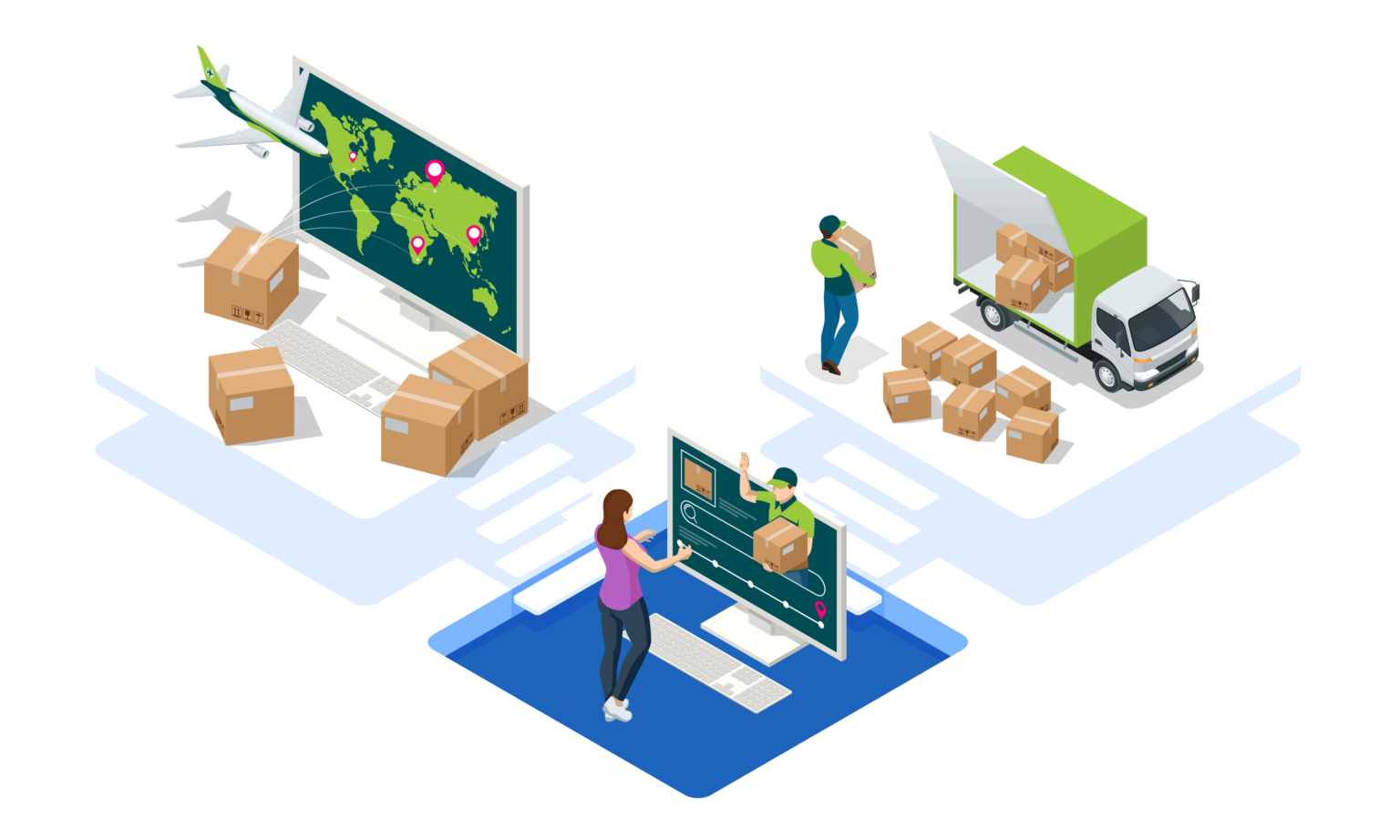
The SaaS supply chain market has evolved into several specialized subcategories, each addressing specific pain points within the supply chain ecosystem. These include:
1. Digitization and Infrastructure
Tools like Vector and Vector.ai help businesses integrate, streamline, and improve their existing supply chain software stacks. These platforms focus on making data more accessible and workflows more efficient.
2. Digital Transactions
Platforms such as Cargo.one and Parade enable businesses to manage air cargo bookings and capacity management, respectively. These solutions simplify complex processes and reduce the time required for decision-making.
3. Workflow Automation
Companies like Expedock and Shipamax automate data entry and other repetitive tasks, freeing up teams to focus on strategic initiatives.
4. Crossborder Shipping
Flavor Cloud and Passport specialize in international shipping, making it easier for businesses to expand their reach and manage global logistics.
5. Visibility and Tracking
Four Kites and Terminal49 offer advanced visibility and tracking capabilities, helping businesses monitor container movements and reduce delays.
Leading Companies in the Supply Chain SaaS Space
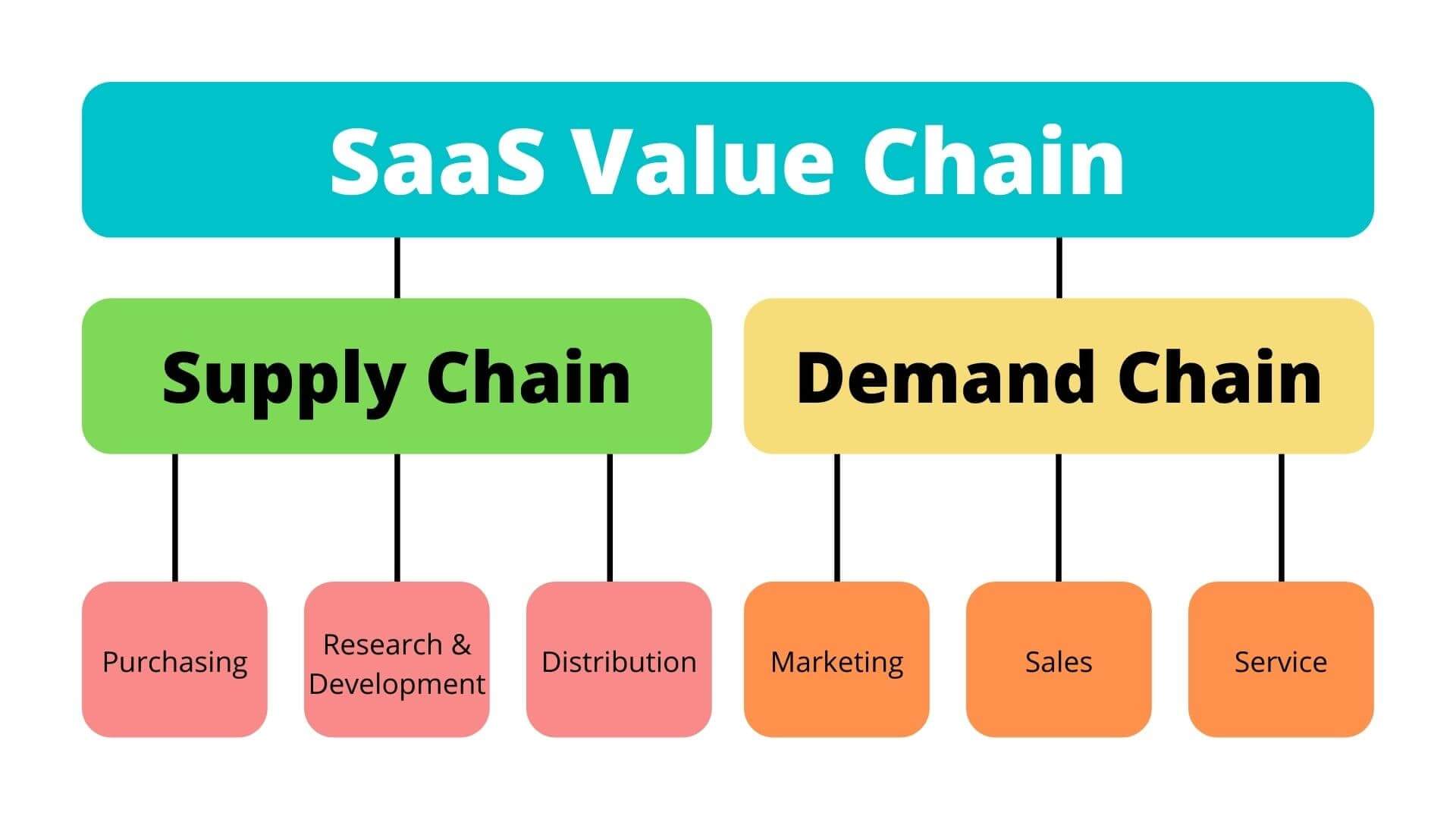
A growing number of companies are defining the future of supply chain SaaS. Some of the most notable include:
1. Vector
Vector’s shipment cloud eliminates paper, automates processes, and connects to existing systems. Its platform is ideal for businesses looking to streamline their supply chain operations.
2. Klear Now
Klear Now simplifies logistics with real-time visibility into the entire process, helping businesses stay ahead of disruptions.
3. Chain.IO
Chain.IO seamlessly connects supply chain software with integrations, leveraging a fully connected network to enhance efficiency.
4. Cargo.one
Cargo.one offers a user-friendly platform for booking air cargo, providing real-time pricing and capacity information.
5. FleetOps
FleetOps uses business intelligence to drive performance and efficiency for truck fleets, replacing gut feelings with data-driven decisions.
The Role of AI and Machine Learning

Artificial Intelligence (AI) and machine learning are playing a pivotal role in the evolution of supply chain SaaS. These technologies enable predictive analytics, demand forecasting, and automated decision-making, all of which contribute to more efficient and resilient supply chains.
For example, Optimal Dynamics uses high-dimensional AI to optimize planning and automation, while Wise Systems employs autonomous routing and dispatching software to improve last-mile delivery.
Future Trends and Innovations

Looking ahead, several trends are set to shape the future of supply chain SaaS:
1. IoT Integration
The Internet of Things (IoT) will continue to enhance supply chain visibility by providing real-time data from sensors and devices across the supply chain.
2. Blockchain for Transparency
Blockchain technology will play a crucial role in ensuring transparency and security in procurement and logistics processes. Smart contracts will automate transactions, reducing the risk of fraud and errors.
3. Enhanced Collaboration Platforms
Collaboration platforms like Backbone AI and Vizibl will become more sophisticated, enabling seamless communication between manufacturers, distributors, and suppliers.
Conclusion
The rise of Supply Chain SaaS marks a significant shift in how businesses manage their supply chains. With its ability to enhance efficiency, reduce costs, and provide real-time insights, SaaS is becoming an essential tool for companies navigating the complexities of modern logistics.
As the market continues to grow, businesses must stay informed about the latest trends and innovations to remain competitive. By investing in the right SaaS solutions, companies can unlock new levels of agility, resilience, and growth in an increasingly digital world.