The Future of Web Technologies: How to Become a Blockchain Developer
In the ever-evolving landscape of web technologies, blockchain has emerged as a revolutionary force. It promises to democratize the internet by decentralizing data and empowering users. However, the industry faces a significant challenge: a shortage of skilled developers. Many aspiring coders are hindered by traditional credentialism and outdated resume practices, especially those who are self-taught. Fortunately, with the right approach, anyone can enter this exciting field. This article explores the path to becoming a blockchain developer, from understanding the basics to acquiring hands-on experience.
Understanding Blockchain Fundamentals
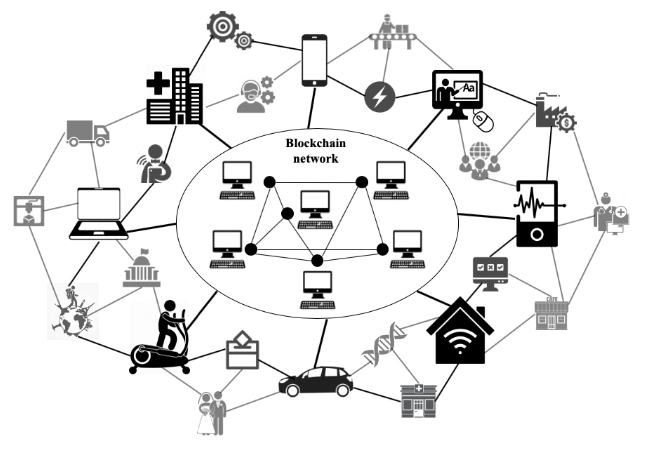
Before diving into blockchain development, it’s essential to grasp the core concepts. A blockchain is a digital ledger that records transactions across a peer-to-peer network. Each transaction is stored in blocks, which are encrypted and linked chronologically. This structure ensures security and immutability, making it ideal for applications like cryptocurrency, supply chain management, and secure data sharing.
Blockchain technology is decentralized, meaning no single entity controls the network. Instead, each participant helps verify and update the data. This decentralization fosters trust and transparency, key attributes for modern digital systems.
Learning Blockchain Developer Skills
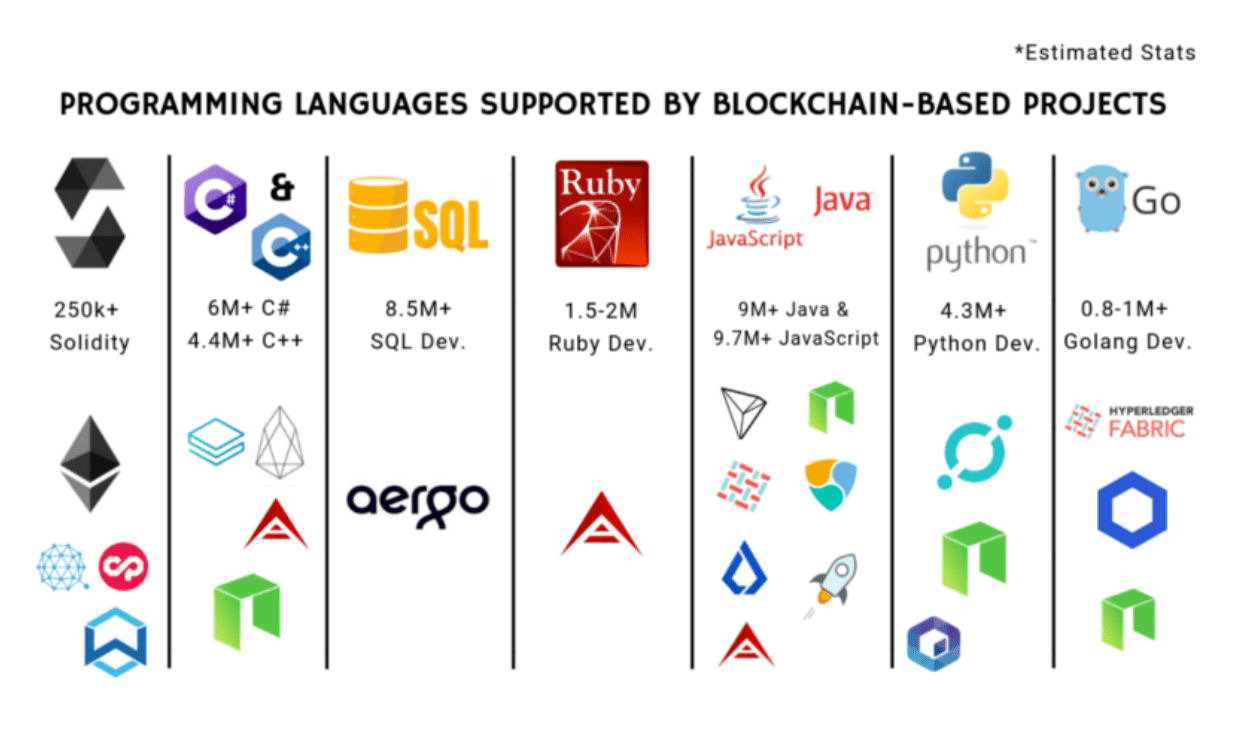
To become a blockchain developer, one must acquire a range of technical skills. These include:
- Programming Languages: Proficiency in languages such as Java, C++, Solidity, and Python is crucial. These languages form the backbone of blockchain development.
- Data Structures: Understanding how to organize and store data efficiently is vital for building robust blockchain systems.
- Databases and Networking: Knowledge of distributed ledgers and network topologies is necessary to create peer-to-peer systems.
- Cryptography: Encryption techniques, such as hash functions and asymmetric-key algorithms, are integral to securing blockchain transactions.
- Smart Contracts: These self-executing contracts automate transactions without intermediaries. Developers should be familiar with platforms like Ethereum and Hyperledger.
Exploring Decentralized Applications (dApps)

Decentralized applications (dApps) operate on blockchain platforms, offering functionalities without centralized control. Ethereum is the most popular network for dApp development, thanks to its versatility and strong ecosystem. Developers can use tools like the Ethereum Virtual Machine (EVM) to build and test their applications.
Getting Certified
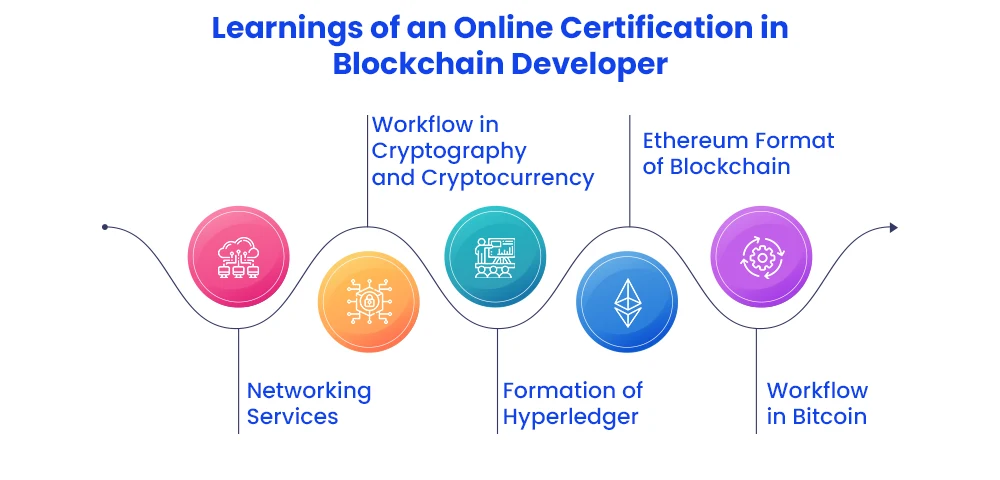
Formal education can provide a solid foundation for a career in blockchain. Degrees in computer science or information security are common, but many employers now prioritize skills over formal credentials. Online courses, bootcamps, and certifications from reputable institutions can also enhance a candidate’s profile.
Some top universities for blockchain education include The Hong Kong Polytechnic University, National University of Singapore, and the University of California-Berkeley. Certifications from IBM and other organizations can further validate a developer’s expertise.
Understanding Cryptoeconomics
Cryptoeconomics combines cryptography and economics to manage decentralized networks. It involves designing systems that incentivize participation and ensure security. Familiarity with DeFi platforms and cryptocurrencies like Bitcoin is essential for blockchain developers.
Acquiring Hands-On Experience

Practical experience is crucial for mastering blockchain development. Hackathons, coding challenges, and open-source projects offer opportunities to apply theoretical knowledge. Platforms like Devpost and GitHub provide spaces to collaborate and showcase work.
Developing side projects and contributing to open-source initiatives can significantly boost a developer’s portfolio. Tools like CodeSandbox and PluralSight offer immersive learning experiences, allowing developers to experiment safely.
Frequently Asked Questions

What is needed to be a blockchain developer?
A strong understanding of decentralization, consensus mechanisms, and hashing is essential. Proficiency in programming, data structures, and cryptography is also required.
How long does it take to become a blockchain developer?
The time varies depending on one’s background and learning path. Bootcamps can take a few months, while formal degrees may take four to five years.
Is blockchain a high-paying job?
Yes, blockchain developers enjoy competitive salaries, with averages around $127K and potential earnings up to $245K.
How do I become a certified blockchain developer?
Enroll in coding bootcamps, online courses, and certification programs to gain the necessary skills and credentials.
Conclusion
Blockchain is reshaping the digital world, offering exciting opportunities for developers. By understanding the fundamentals, acquiring the right skills, and gaining practical experience, anyone can embark on a successful career in this field. With the global blockchain market projected to grow significantly, the demand for skilled developers is only set to increase. Whether you’re a seasoned programmer or a newcomer to the tech scene, the path to becoming a blockchain developer is both challenging and rewarding. Start your journey today and be part of the future of web technologies.