The Future of Work: How Workflow Automation Software Boosts Productivity and Team Collaboration
In today’s fast-paced business environment, repetitive workplace tasks can drain time, resources, and productivity. These tasks create distractions for employees and obstruct team communication and coordination. However, the advent of workflow automation software has revolutionized how businesses operate. By streamlining processes, reducing manual effort, and enhancing collaboration, these tools are becoming essential for organizations aiming to stay competitive.
What is Workflow Automation Software?
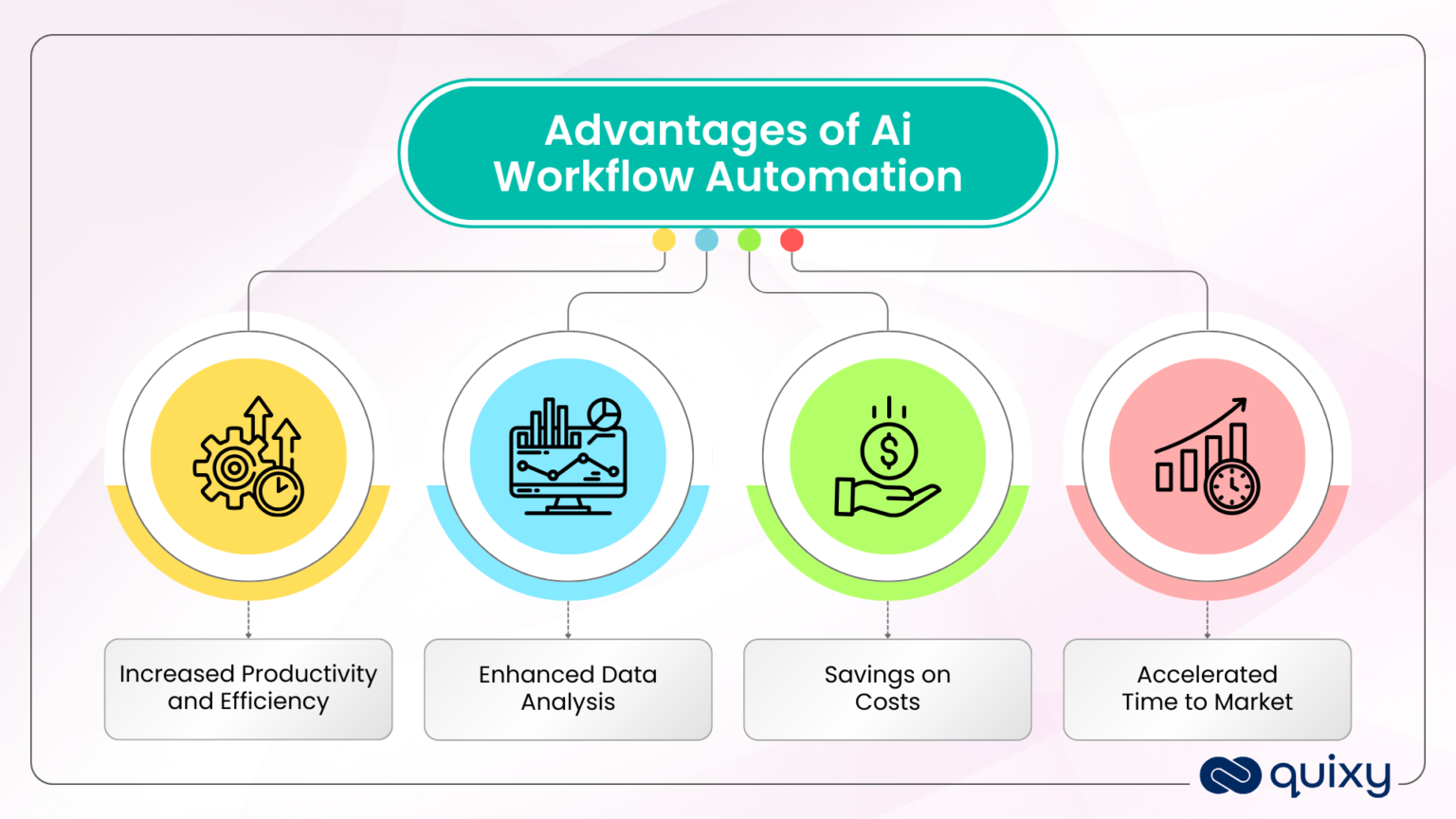
Workflow automation software simplifies and improves business processes by reducing manual effort through predefined rules, sequences, and actions. This process enhances task management and collaboration along with organizational efficiency and productivity. When companies automate repetitive tasks, employees have more time to work on strategic or creative activities. Automated workflow software fosters team members’ collaboration through centralized communication channels and shared workflows. It also enables smooth information exchange and faster decision-making.
Advantages of Workflow Automation Software

Incorporating workflow automation software into your business processes means several benefits:
- Employees can focus on more complex tasks by automating repetitive tasks.
- Teams make fewer mistakes because automation helps them execute tasks consistently and accurately.
- Collaboration improves among cross-functional teams due to centralized communication and information-sharing platforms.
- Businesses can make decisions faster via centralized and shared communication channels that enable seamless information exchange.
- Productivity increases thanks to optimized processes, error-free operations, improved collaboration, and effective use of resources.
Top 9 Workflow Automation Software Solutions

You can transform your business with workflow automation software. You can increase collaboration, simplify and improve processes, and enhance productivity and task management. But what software option works best for you? We chose the top nine—based on your specific goals.
Best for Task Automation: Jira Software
Jira Software automates tasks with a robust task and issue management platform, including a task tracking template and a personal task tracker template. Automation rules assign issues, update fields, and trigger notifications based on predefined conditions. Jira’s versatile automation capabilities streamline workflows, enhance efficiency, and ensure smoother task management.
Best for Cross-Functional Collaboration: Jira
Jira enhances cross-functional collaboration, ensuring teams work efficiently toward shared goals via an intuitive platform. This software offers shared boards, real-time updates, and customizable workflows that promote transparency and cooperation across all teams.
Best for Documentation: Confluence
Confluence enables teams to work together seamlessly on various documents and content. With its user-friendly interface, rich text editing, version history, and commenting features, Confluence simplifies the process of document creation and editing, streamlining team collaboration, enhancing productivity, promoting effective communication, and encouraging knowledge sharing across the company.
Best for Resource Allocation: Jira Software Advanced Roadmaps
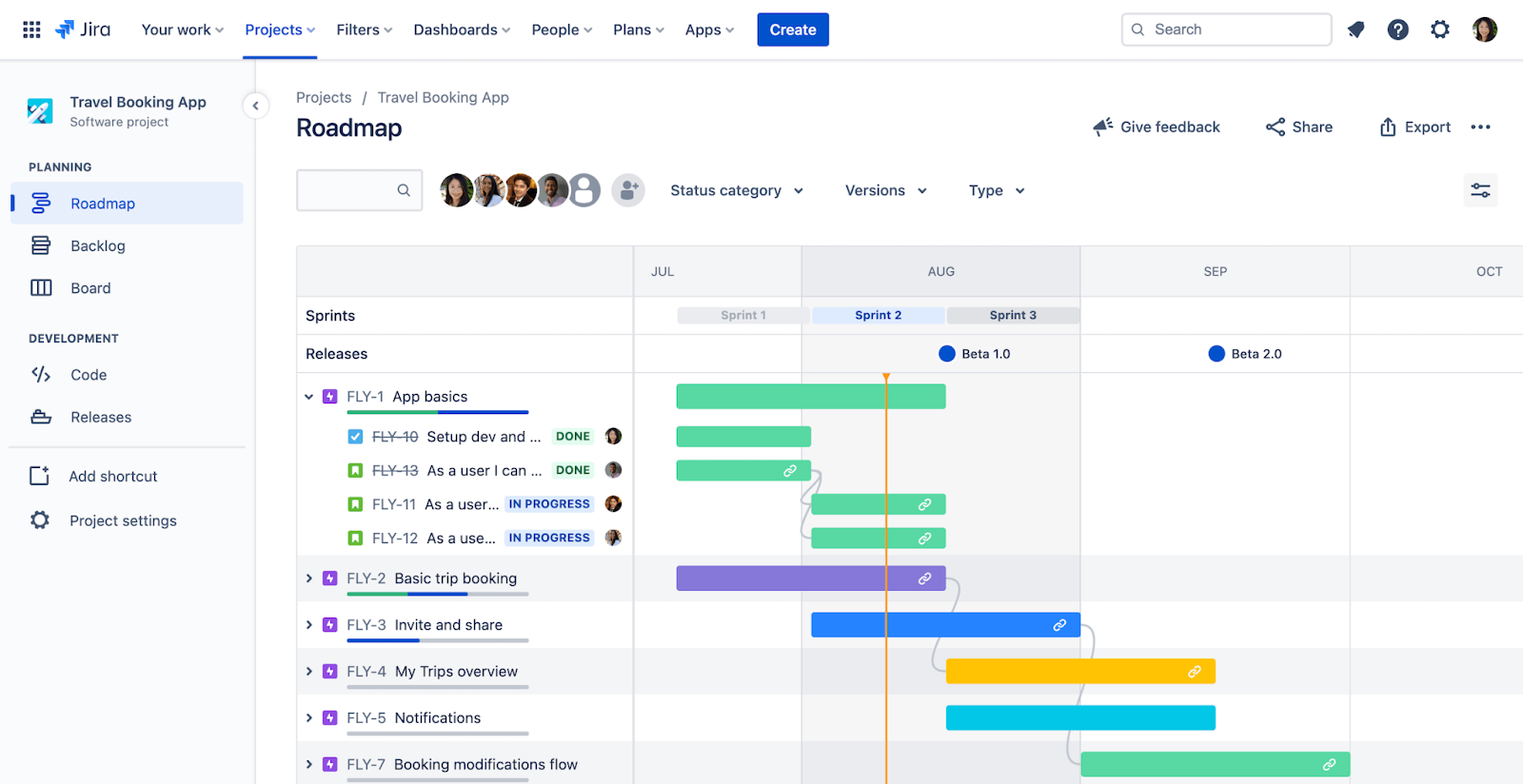
Advanced Roadmaps for Jira Software is a powerful tool for project planning and resource allocation. With Advanced Roadmaps, teams can effectively visualize capacity, plan project timelines, and manage dependencies. Project managers can optimize resource allocation with a comprehensive overview of project progress, workload, and availability.
Best for Deployment Automation: Bitbucket

Bitbucket integrates seamlessly with various CI/CD tools, enabling automated builds, tests, and deployments. The pipelines feature automates the entire software delivery process, reducing manual errors. Bitbucket’s customizable workflows and intuitive interface make it an excellent choice for streamlining deployment processes.
Best for Improving Productivity: SureTriggers

SureTriggers automates crucial processes, streamlines repetitive tasks, and reduces manual workloads. Setting up triggers and predefined actions saves time, reduces human error, and enhances accuracy and consistency. Teams can focus on high-value activities, innovation, and strategic initiatives that improve productivity.
Best for Risk Management: Jira Software
Jira Software helps project managers mitigate risks. Options include issue tracking, kanban boards, customizable workflows and permissions, and reporting and analytics features. The issue tracker template includes detailed issue descriptions, along with a timeline view that enables teams to monitor project progress, identify potential risks early, and adapt quickly to mitigate those risks.
Best for Software Integration: Zapier
Zapier is a user-friendly platform that facilitates the integration of various software applications. It allows for the easy creation of “Zaps”—automated workflows that don’t require technical knowledge. Zapier enables seamless connections between different apps, streamlines processes by automating repetitive tasks, and enhances productivity for users across various industries.
Best for Reporting and Analytics: Kissflow
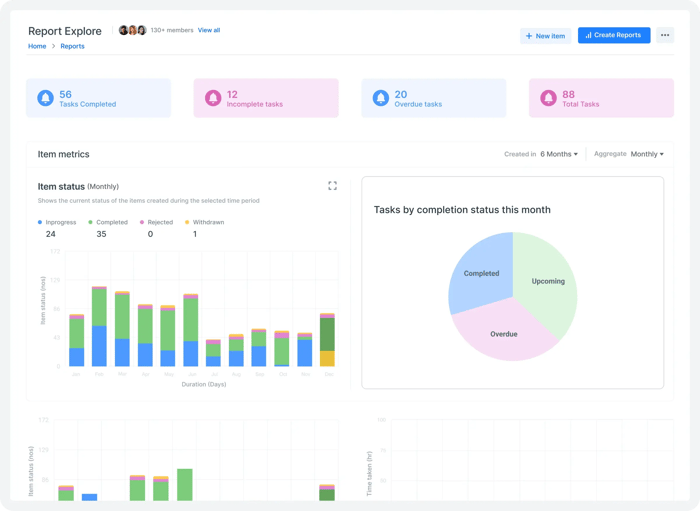
The Kissflow platform’s robust reporting and analytics features provide valuable insights and track performance. Customizable dashboards help monitor key metrics and project statuses effortlessly, and built-in reports offer comprehensive summaries of processes, workflows, and tasks. Custom analytics capabilities enable tailoring reports and metrics according to specific business needs.
Conclusion
Workflow automation software is no longer just a luxury—it’s a necessity for businesses looking to thrive in today’s competitive landscape. From task automation to risk management, these tools offer a wide range of benefits that can significantly boost productivity and team collaboration. Whether you’re a small startup or a large enterprise, choosing the right workflow automation solution can make all the difference in achieving your business goals.