The Importance of Data Governance in Modern Organizations
In today’s data-driven world, organizations are increasingly relying on data to make informed decisions, improve operations, and drive innovation. However, with the exponential growth of data, managing it effectively has become a complex challenge. This is where data governance comes into play—a critical framework that ensures data is accurate, secure, and used responsibly. From data cataloging to data security, each component of data governance plays a vital role in maintaining the integrity and value of an organization’s data assets.
Data Cataloging: Organizing the Data Landscape
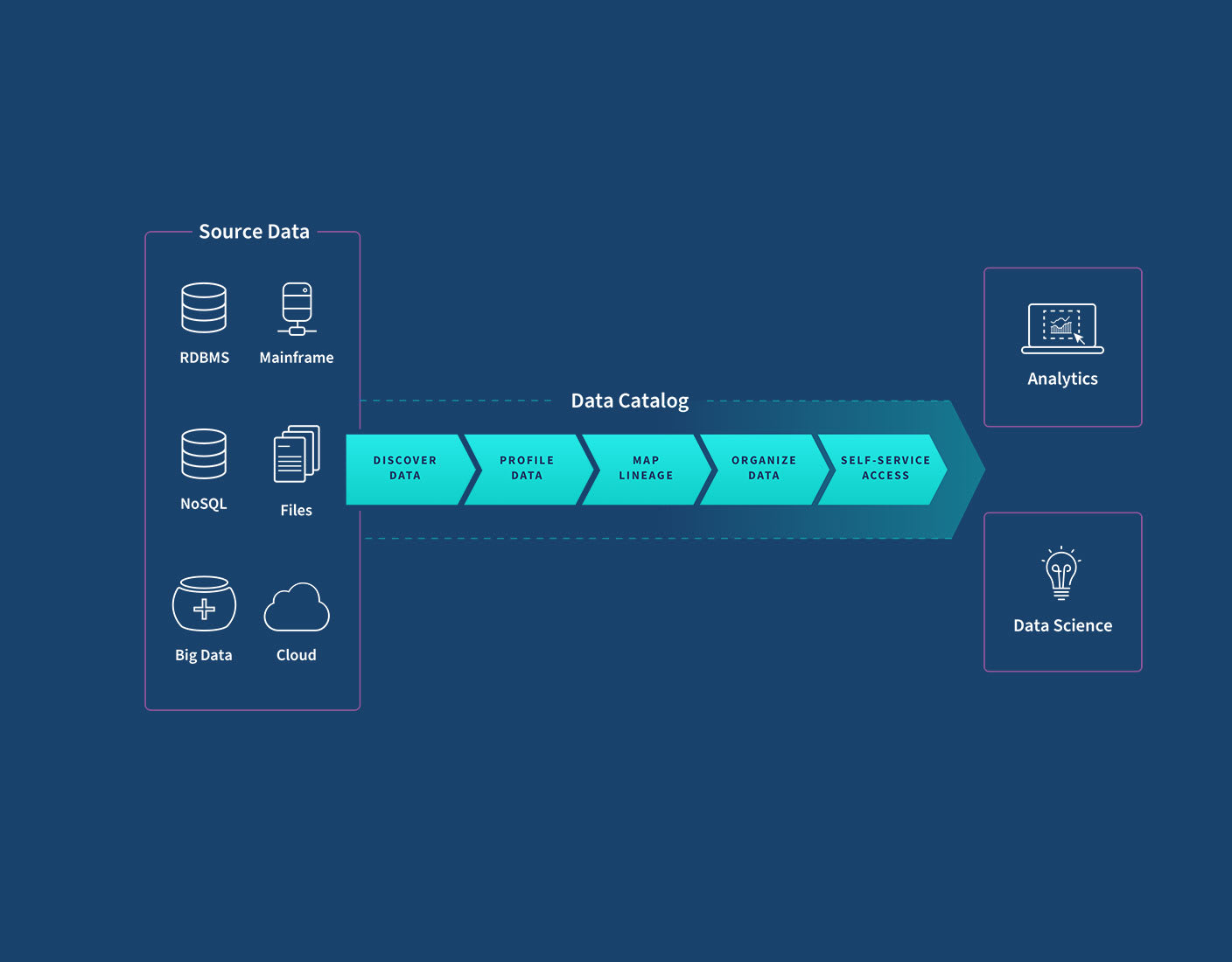
Data cataloging is one of the foundational elements of effective data governance. A data catalog acts as a centralized repository for metadata, providing stakeholders with a searchable index of all available data within an organization. This includes information about the format, structure, location, and usage of data. By offering a clear view of what data exists and how it can be accessed, a data catalog enhances discovery, improves collaboration, and reduces redundancy.
For example, imagine a financial institution that needs to quickly access customer transaction data for regulatory reporting. Without a well-structured data catalog, this process could take hours or even days. With a robust data catalog, however, the relevant data can be located and retrieved in minutes, ensuring compliance and efficiency.
Data Quality: The Foundation of Reliable Insights

High-quality data is essential for making accurate decisions and achieving business goals. Data quality refers to the accuracy, completeness, consistency, and relevance of data. Poor data quality can lead to flawed analytics, misguided strategies, and wasted resources. Therefore, ensuring data quality is a key aspect of any data governance strategy.
Organizations must evaluate data against specific quality attributes such as accuracy, freshness, and compliance with internal rules. For instance, a healthcare provider relies on accurate patient data to deliver effective care. If the data is outdated or incomplete, it could result in misdiagnoses or treatment errors. By prioritizing data quality, businesses can avoid these risks and ensure that their data-driven initiatives are built on a solid foundation.
Data Classification: Protecting Sensitive Information
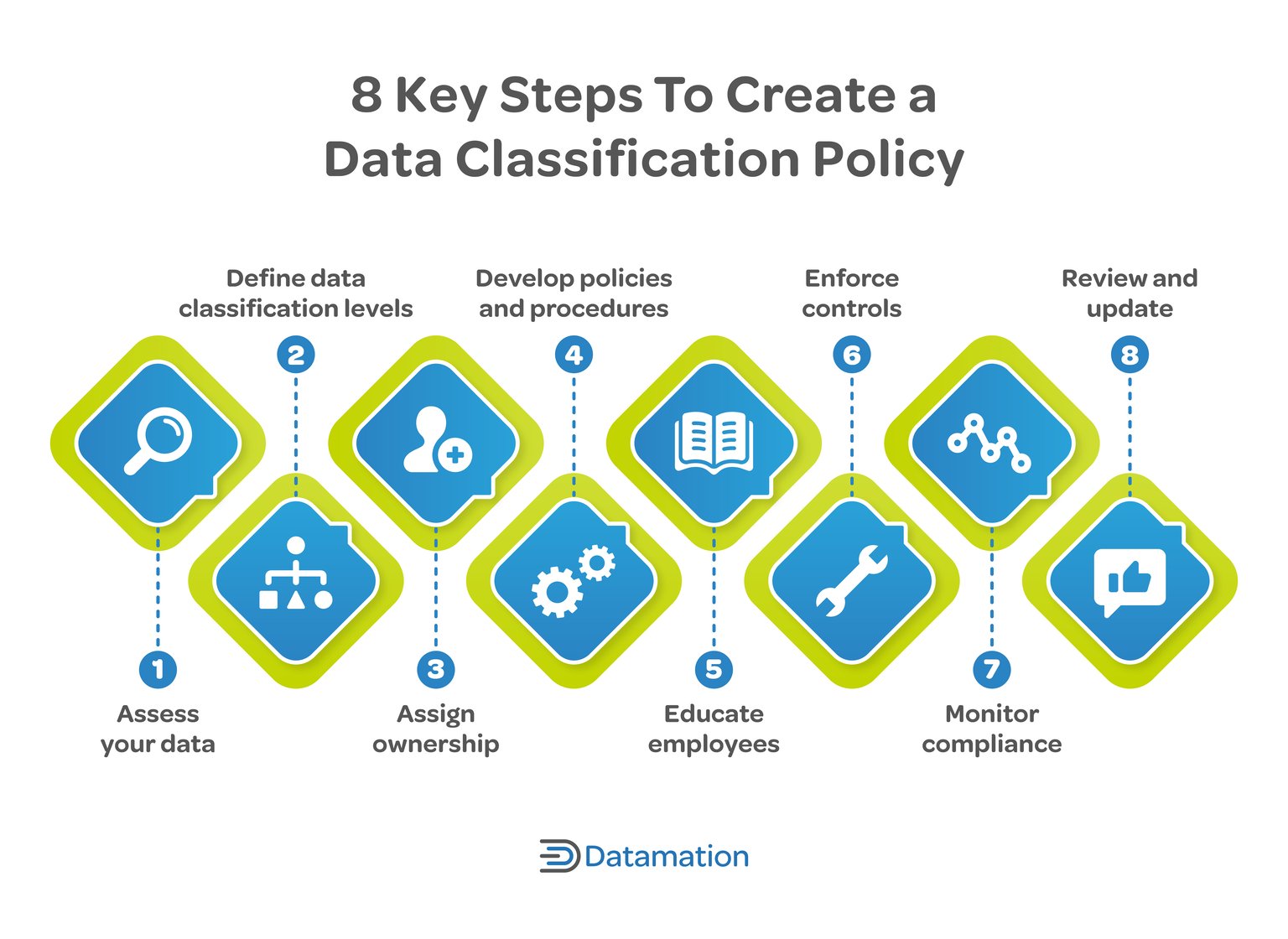
With the growing volume of data being generated daily, it’s crucial for organizations to classify data based on its sensitivity, value, and criticality. Data classification helps identify which data requires stricter security measures and which can be more freely shared. This process not only mitigates risks but also ensures that data is protected at scale.
Consider a retail company that collects customer payment information. This data is highly sensitive and must be classified as high-risk. By applying appropriate security policies, the company can prevent unauthorized access and reduce the likelihood of data breaches. Effective data classification is a proactive approach to safeguarding valuable assets and maintaining customer trust.
Data Security: Controlling Access and Preventing Breaches

Data security is a critical component of data governance, especially in industries subject to strict regulations like GDPR and CCPA. Organizations must implement strong access controls to ensure that only authorized individuals can access sensitive data. These controls can be granular, down to the individual record or file level.
For example, a pharmaceutical company may have strict access controls for clinical trial data. Only researchers and compliance officers would have access to this information, reducing the risk of data misuse. By establishing clear governance policies around data access, organizations can protect their most valuable assets while maintaining operational efficiency.
Auditing Data Entitlements and Access: Ensuring Compliance
Auditing data entitlements and access is essential for maintaining compliance and identifying potential vulnerabilities. Regular audits help organizations track who has accessed what data and when. This visibility allows them to proactively address overentitled users or groups, minimizing the risk of data misuse.
Without proper audit mechanisms, organizations may remain unaware of their exposure to data breaches or regulatory violations. A well-designed audit team plays a key role in ensuring that data is accessed appropriately and that any misuse is swiftly identified and addressed.
Data Lineage: Tracing the Journey of Data
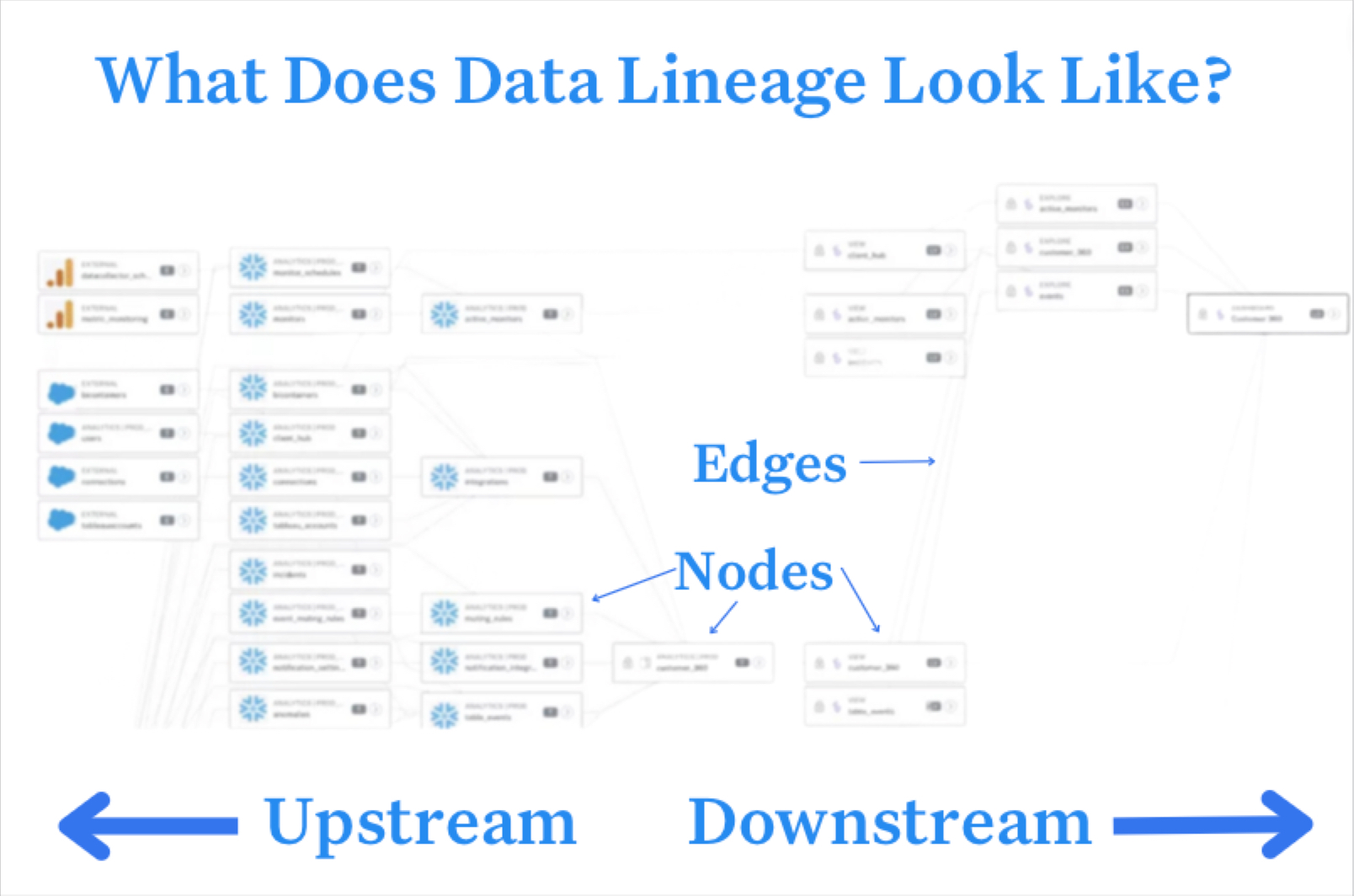
Data lineage provides a comprehensive view of how data flows across an organization’s systems, from its origin to its final use. This transparency is crucial for ensuring data quality, compliance, and trustworthiness. By understanding the source and transformation of data, organizations can better trace errors, meet audit requirements, and maintain confidence in their data.
For instance, a manufacturing company might use data lineage to track how production metrics are collected, processed, and reported. This insight enables the company to identify issues quickly and ensure that decisions are based on accurate, up-to-date information.
Data Discovery: Unlocking the Value of Data
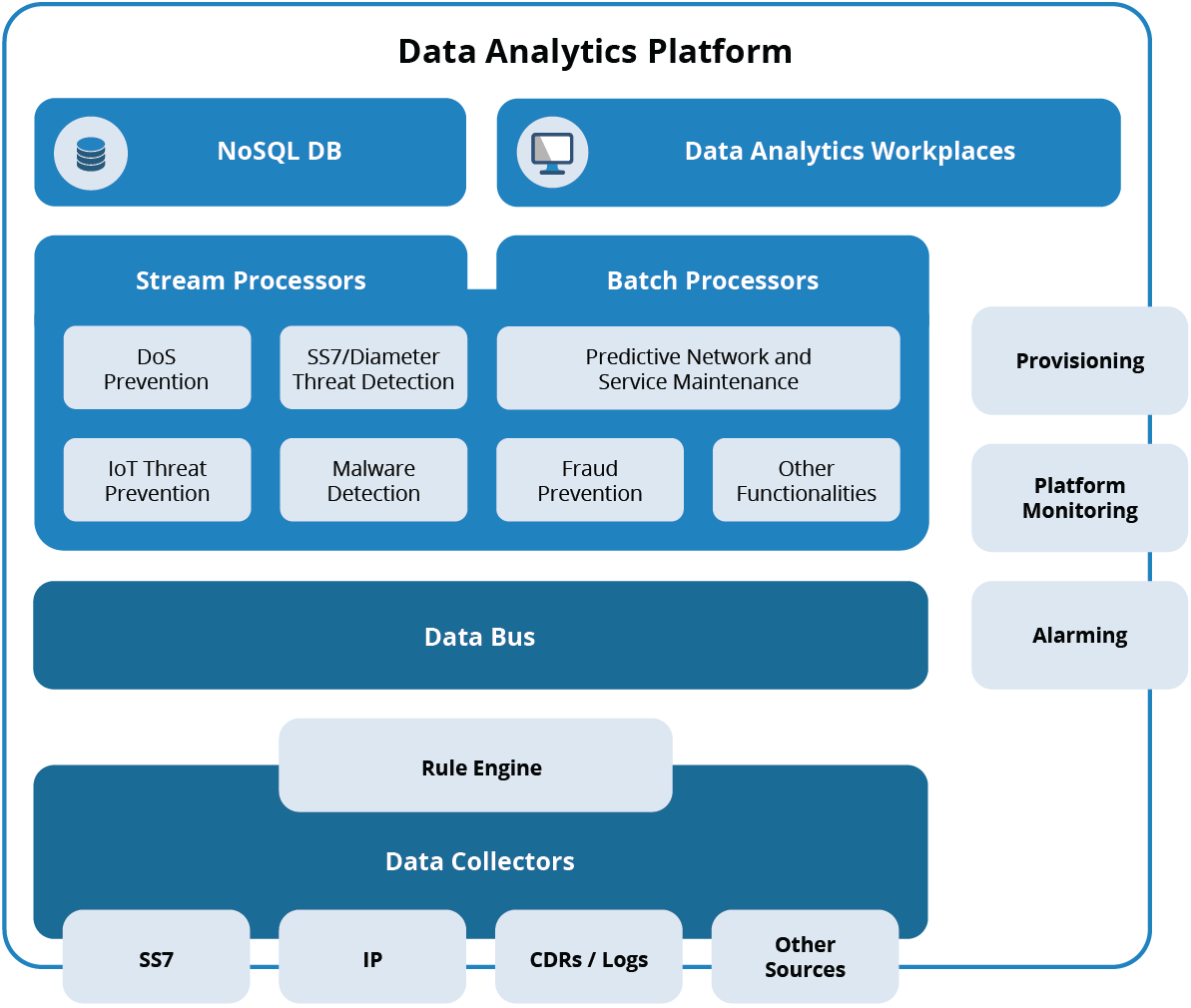
As organizations collect vast amounts of data from various sources, making this data easily discoverable is essential. Data discovery tools help users locate and understand data assets, enabling faster decision-making and innovation. This is particularly important for AI and machine learning initiatives, which rely on high-quality, accessible data.
By implementing robust data discovery practices, organizations can prevent duplication, reduce costs, and improve collaboration. For example, a marketing team using a data discovery tool can quickly find customer behavior data, leading to more targeted campaigns and better ROI.
Data Sharing and Collaboration: Expanding Data Utilization

In today’s interconnected world, data sharing and collaboration are vital for driving innovation and improving business outcomes. Secure data sharing technologies, such as data cleanrooms, enable organizations to exchange data with external partners while maintaining control and privacy. Data marketplaces further facilitate the discovery and distribution of data sets, creating new opportunities for value creation.
However, effective data sharing requires careful governance to ensure compliance with regulations and protect sensitive information. By investing in open, interoperable, and multicloud solutions, organizations can foster collaboration without compromising security.
Conclusion: Building a Comprehensive Data Governance Strategy
Data governance is not just a technical challenge—it’s a strategic imperative. From data cataloging to data security, each element of data governance contributes to the overall health and value of an organization’s data assets. By implementing a comprehensive data governance strategy, businesses can improve data quality, reduce risks, and unlock new opportunities for growth and innovation.
Ultimately, data governance is about ensuring that data is managed responsibly and used effectively. As data continues to shape the future of business, organizations that prioritize governance will be better positioned to thrive in an increasingly competitive and regulated landscape.