The Internet of Things: Transforming Industries and Everyday Life
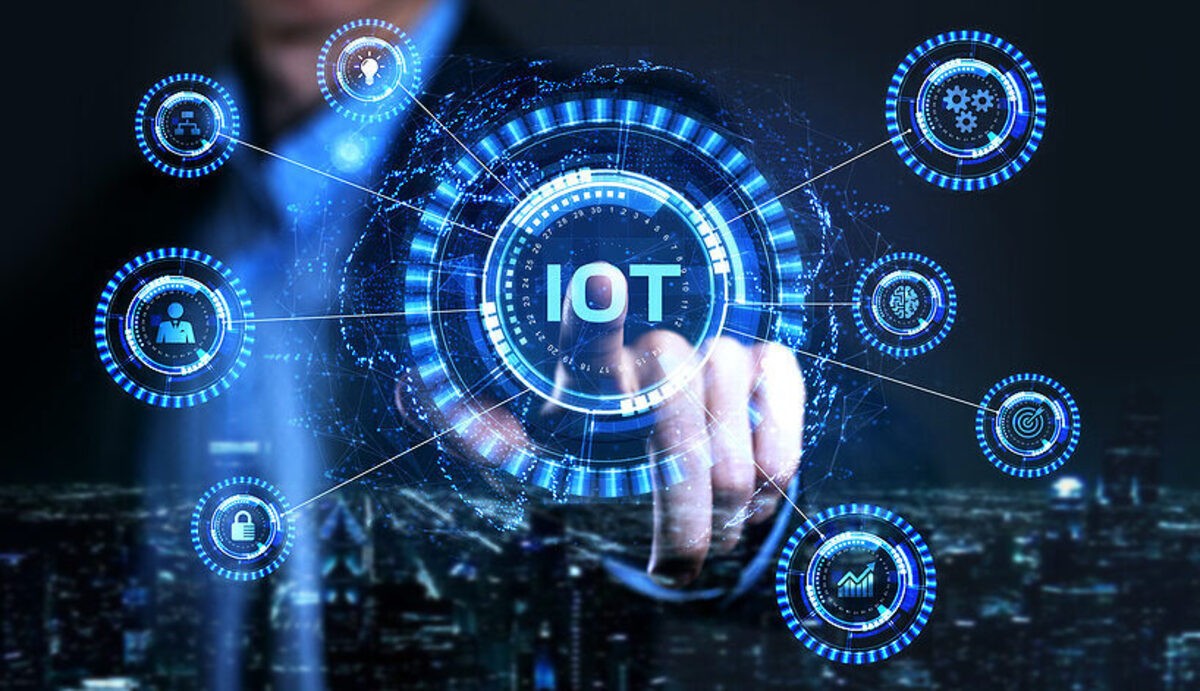
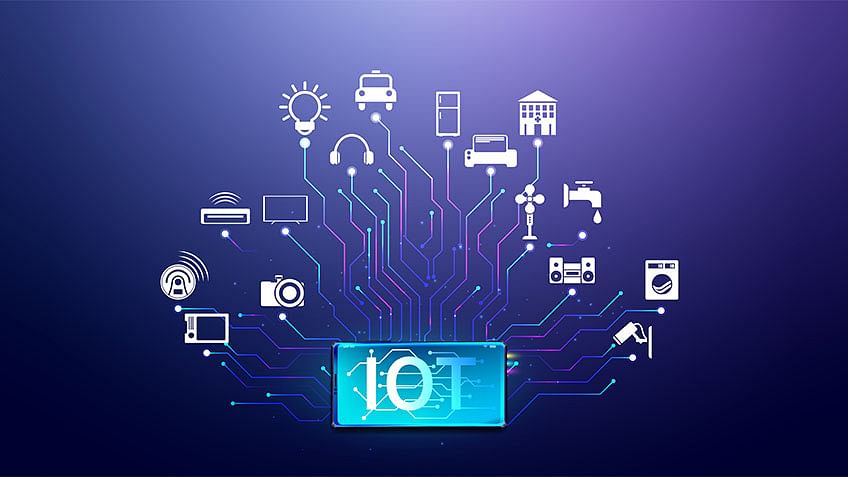
The Internet of Things (IoT) is revolutionizing the way we live, work, and interact with the world around us. At its core, IoT refers to a network of interconnected devices that collect, exchange, and act on data without requiring human intervention. These devices, ranging from everyday household items to complex industrial machinery, are embedded with sensors, software, and connectivity features that allow them to communicate with each other and with cloud-based systems.
What is the Internet of Things?

The Internet of Things is more than just a buzzword; it represents a fundamental shift in how technology integrates into our daily lives. IoT devices are designed to gather and transmit data, enabling them to make decisions or trigger actions based on that information. For instance, a smart thermostat can adjust the temperature in a home based on occupancy patterns, while a wearable fitness tracker can monitor a user’s heart rate and suggest personalized health improvements.
These devices encompass a wide range of applications, from simple smart home gadgets like light bulbs and locks to advanced industrial tools used in manufacturing and energy management. The key feature of IoT is its ability to automate processes, enhance efficiency, and provide real-time insights through data analysis.
The Impact of IoT Across Industries

Agriculture
In agriculture, IoT is transforming traditional farming practices by introducing precision techniques. Sensors placed in fields can monitor soil moisture, temperature, and nutrient levels, allowing farmers to optimize irrigation and fertilization. Additionally, IoT-enabled livestock monitoring systems track animal health, improving productivity and reducing waste.
Healthcare
The healthcare sector has also seen significant advancements thanks to IoT. Remote patient monitoring systems, smart medical devices, and medication trackers enable healthcare providers to keep tabs on patients’ conditions in real time. This not only improves patient care but also reduces hospital readmissions and lowers healthcare costs.
Transportation
In transportation, IoT is enhancing safety and efficiency. Connected vehicles equipped with IoT sensors can monitor fuel efficiency, track shipments, and even prevent accidents by detecting potential hazards. Smart traffic systems use IoT to manage congestion, reduce travel times, and improve overall urban mobility.
Retail
Retailers are leveraging IoT to create more personalized shopping experiences. By analyzing customer behavior through sensors and beacons, businesses can tailor marketing strategies, manage inventory more effectively, and streamline operations. This data-driven approach helps retailers meet consumer demands and stay competitive in a rapidly evolving market.
Benefits of IoT for Organizations
Enhanced Efficiency
One of the most significant benefits of IoT is its ability to improve operational efficiency. By automating tasks and providing real-time data, IoT enables organizations to reduce manual labor, minimize errors, and optimize resource allocation. For example, predictive maintenance in manufacturing uses IoT sensors to detect equipment failures before they occur, saving time and money.
Improved Decision-Making
IoT generates vast amounts of data that can be analyzed to gain valuable insights. Businesses can use this data to make informed decisions, identify trends, and uncover new revenue opportunities. With access to real-time analytics, companies can respond quickly to market changes and stay ahead of the competition.
Cost Savings
IoT also offers substantial cost savings. By optimizing energy usage, reducing waste, and streamlining supply chain operations, businesses can lower expenses and increase profitability. For instance, smart grids and energy management systems help utility companies monitor and manage electricity consumption efficiently.
Challenges and Considerations
While IoT presents numerous advantages, it also comes with several challenges. Security concerns are a major issue, as the increasing number of connected devices expands the attack surface for cyber threats. Data privacy is another critical concern, with the risk of personal information being misused or stolen.
Additionally, compatibility issues between different IoT platforms and protocols can hinder interoperability. Without standardized frameworks, integrating devices from various manufacturers can be complex and costly. Furthermore, the high initial investment required for IoT implementation and the need for specialized expertise pose barriers to adoption for some organizations.
The Future of IoT

As technology continues to evolve, the future of IoT looks promising. Advances in artificial intelligence, edge computing, and 5G connectivity are expected to further enhance the capabilities of IoT devices. These innovations will enable faster data processing, improved automation, and more seamless integration across industries.
Moreover, the development of industry-specific standards and frameworks will play a crucial role in addressing compatibility and security challenges. Organizations like the Connectivity Standards Alliance and the Industry IoT Consortium are working to establish common protocols that ensure interoperability and security across IoT ecosystems.
In conclusion, the Internet of Things is reshaping industries and transforming everyday life. From smart homes to smart cities, IoT is driving innovation, improving efficiency, and creating new opportunities for growth. As the technology continues to mature, its impact on society will only grow, making it an essential component of the digital age.