The Power of Digital Twins: Transforming the Built Environment and Beyond
Digital twins have emerged as a revolutionary tool in the world of technology, offering a dynamic way to mirror physical assets in a virtual space. This innovative approach allows for real-time data collection, analysis, and application across various industries. By creating a digital replica of a physical object or system, organizations can gain insights that were previously unattainable. From construction to automotive manufacturing, the applications of digital twins are vast and continually expanding.
How Digital Twins Work
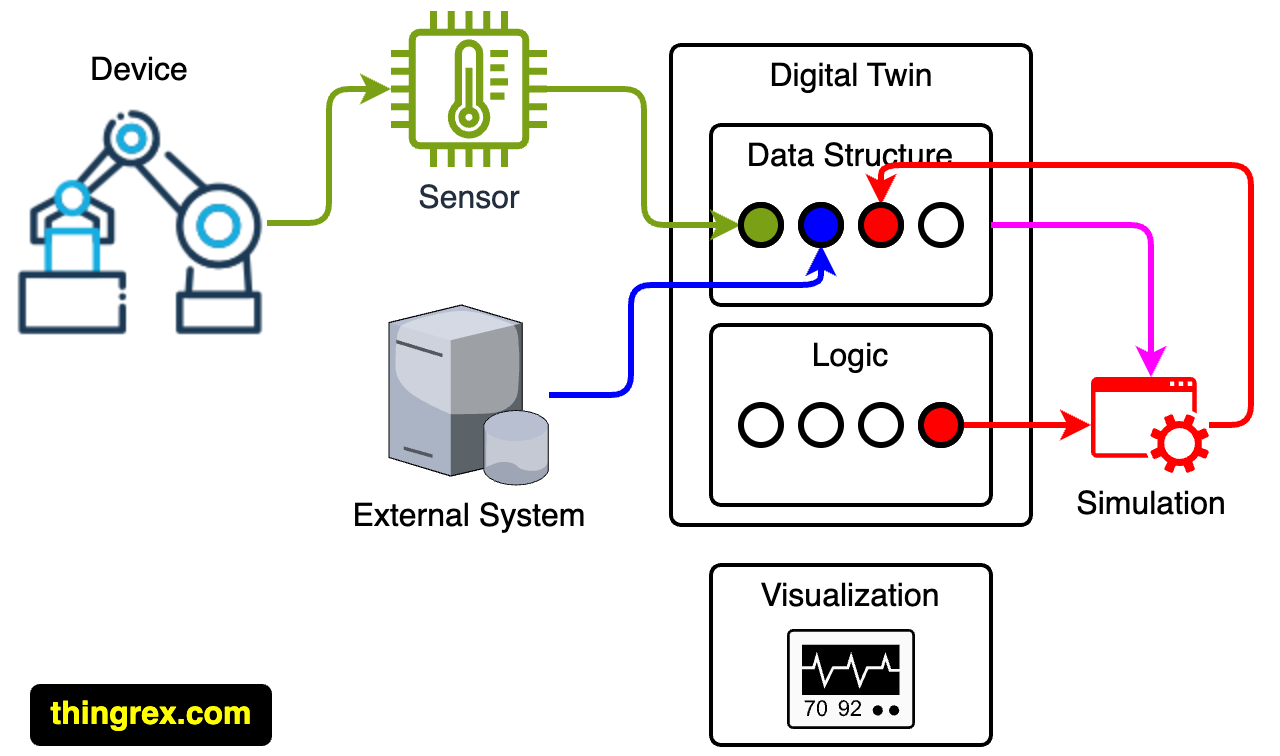
At their core, digital twins function by digitally replicating a physical asset within a virtual environment. This replication includes not only the physical characteristics but also the functionality, features, and behavior of the asset. Smart sensors play a crucial role in this process, collecting data from the physical asset and transmitting it to the digital model. This real-time data allows for continuous monitoring and analysis, making it possible to track performance and identify potential issues before they escalate.
The technologies that underpin digital twins include the Internet of Things (IoT), artificial intelligence (AI), and machine learning (ML). IoT enables devices to communicate and share data, while AI and ML provide the analytical capabilities needed to interpret the vast amounts of data collected. Together, these technologies create a powerful platform for understanding and optimizing the performance of physical assets.
Digital Twins vs. Simulations

While digital twins and simulations both involve virtual models, there are significant differences between the two. Simulations are typically used for design and offline optimization, allowing designers to test changes and observe what-if scenarios. In contrast, digital twins are interactive, real-time environments that reflect the current state of the physical asset. This real-time interaction allows for more accurate predictions and better decision-making.
For instance, consider a car simulation. While it can provide an immersive training experience, it is not linked to an actual physical vehicle. A digital twin of the car, however, is connected to the real-world car, providing up-to-date information on its performance, maintenance history, and potential issues. This connection enables more informed decisions and proactive maintenance strategies.
Applications in the AEC Industry
In the Architecture, Engineering, and Construction (AEC) industry, digital twins are transforming the built asset lifecycle. They enable data continuity between project phases, providing a multi-dimensional view of how a facility or asset is designed, built, and performs throughout its lifecycle. As the digital replica is enriched with operational data, it becomes possible to predict system failures, perform “what-if” simulations, and gain insights into the operation and utilization of the built asset.
This capability allows for more sustainable buildings and infrastructure, as accumulated knowledge can be used to plan future projects and improve design decisions. By leveraging the insights provided by digital twins, AEC professionals can enhance efficiency, reduce costs, and improve overall project outcomes.
Expanding Beyond Buildings

The applications of digital twins extend far beyond the AEC industry. In the automotive sector, companies use digital twins to prototype, test, and iterate virtual race car concepts. This allows for rapid development and innovation, reducing the need for physical prototypes and saving time and resources.
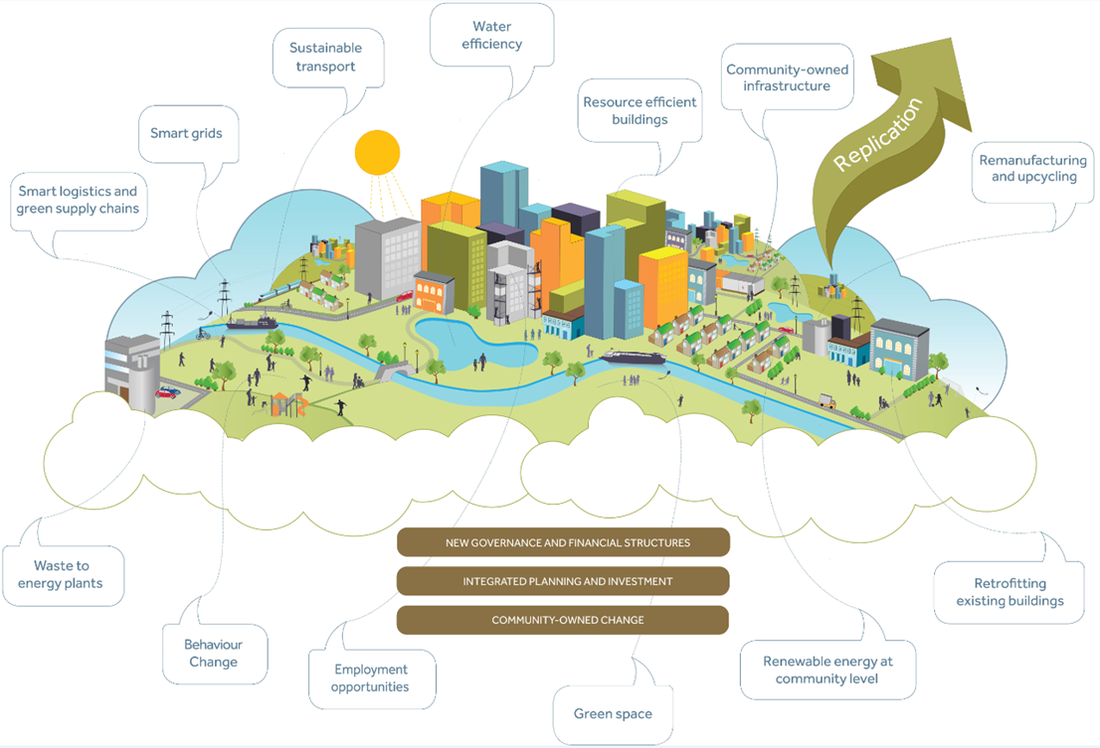
City planners also utilize digital twins to create hydrographs that simulate and mitigate the effects of super-storm floods. These models help in planning infrastructure that can withstand extreme weather conditions, ensuring the safety and resilience of urban areas.
Product manufacturers apply digital twins for remote inspections and validating designs with customers. This not only enhances customer satisfaction but also streamlines the product development process. Additionally, the British Antarctic Survey uses digital twins to design climate research facilities, significantly reducing carbon emissions.
The Evolution of Digital Twins

Digital twins originated as space flight simulation technology developed by NASA in the 1960s. However, the emergence of cloud computing, artificial intelligence, and IoT has rapidly expanded their functions and capabilities. These advancements have made it possible to visualize data-rich systems and serve as shared sources of truth, leading to cost savings, lower energy consumption, and improved product quality.
As organizations continue to adopt digital twins, the potential for innovation and efficiency grows. By harnessing the power of real-time data and advanced analytics, businesses can make informed decisions, optimize operations, and drive sustainable growth.
In conclusion, digital twins represent a transformative shift in how we interact with physical assets. Their ability to provide real-time insights and support data-driven decision-making makes them an invaluable tool across various industries. As technology continues to evolve, the applications of digital twins will only expand, offering new opportunities for innovation and efficiency.