The Rise and Impact of Data Science in the United States
In today’s digital age, data science has become a cornerstone of innovation and decision-making across various industries. From healthcare to finance, from environmental science to entertainment, the ability to extract meaningful insights from complex data sets is reshaping how businesses operate and how societies function. As the field continues to evolve, it’s essential to understand what data science is, its historical roots, and its transformative role in modern America.
What Is Data Science?
Data science is an interdisciplinary field that combines statistical analysis, computer science, and domain expertise to extract knowledge from data. It involves using scientific methods, algorithms, and systems to process both structured and unstructured data, transforming raw information into actionable insights. Unlike traditional statistics, which focuses on describing data, data science emphasizes prediction, automation, and decision-making based on data-driven models.
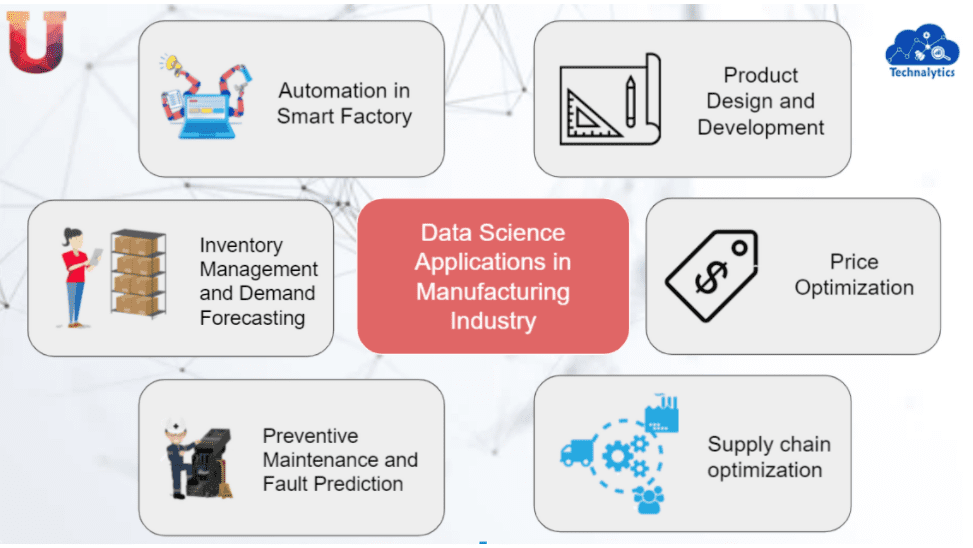
According to the U.S. Census Bureau, data science “uses scientific methods, processes, and systems to extract knowledge and insights from data.” This definition highlights the field’s practical application in solving real-world problems, whether it’s predicting election outcomes, optimizing supply chains, or personalizing user experiences.
A Brief History of Data Science

The concept of data science has its roots in the mid-20th century. In 1962, John Tukey introduced the idea of “data analysis” as a distinct approach to understanding data, emphasizing empirical methods over purely theoretical modeling. By the 1970s, the term “data science” began to emerge as a way to describe the intersection of statistics, computing, and domain knowledge.
In 1997, C.F. Jeff Wu proposed renaming statistics as “data science,” arguing that the new term would help the field shed outdated stereotypes. The term gained broader recognition in the early 2000s, with William S. Cleveland advocating for a more applied, data-centric approach to statistics. By the 2010s, data science had solidified its status as a distinct discipline, driven by the rise of big data and machine learning technologies.
The Data Science Life Cycle
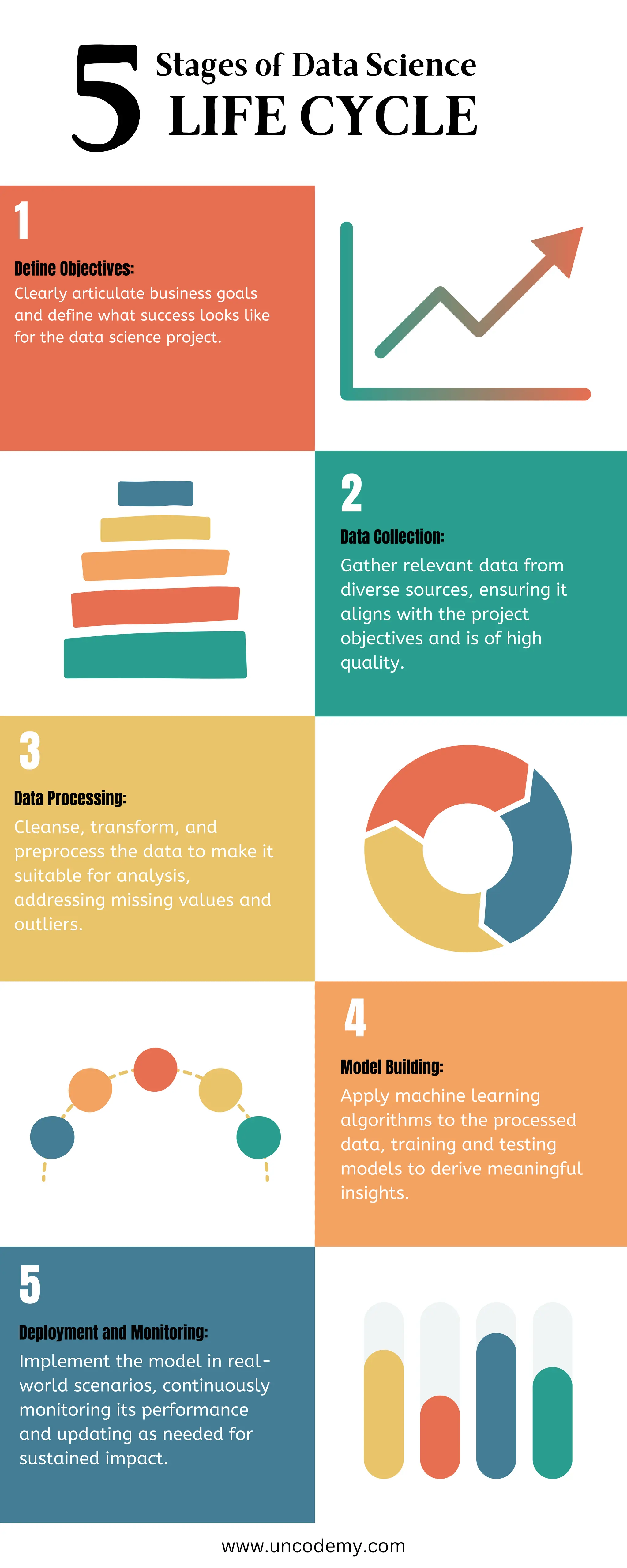
Data science follows a structured life cycle that ensures the transformation of raw data into valuable insights. The process typically includes five key steps:
- Data Collection: Gathering data from various sources such as databases, sensors, APIs, and online platforms.
- Data Cleaning: Preprocessing the data to handle missing values, outliers, and inconsistencies.
- Exploratory Data Analysis (EDA): Identifying patterns, trends, and relationships within the data.
- Modeling: Applying statistical and machine learning techniques to build predictive or descriptive models.
- Interpretation and Communication: Presenting findings in a clear and actionable manner to stakeholders.
Each stage requires specialized tools and skills, making data science a multifaceted discipline that demands both technical and analytical expertise.
Tools and Technologies in Data Science
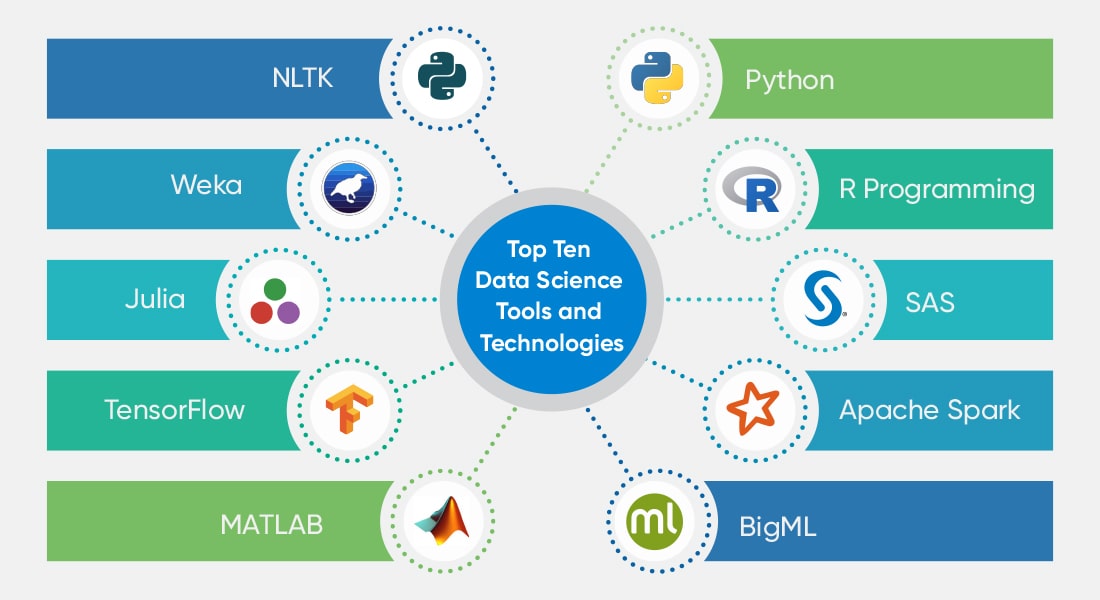
Data scientists rely on a wide array of tools and technologies to manage and analyze large datasets. Some of the most commonly used include:
- Programming Languages: Python and R are foundational for data manipulation, machine learning, and visualization.
- Databases: SQL is essential for querying and managing structured data.
- Big Data Platforms: Apache Spark and Hadoop enable distributed processing of massive datasets.
- Cloud Services: AWS, Google Cloud, and Azure provide scalable infrastructure for data storage and computation.
- Visualization Tools: Matplotlib, Seaborn, Tableau, and Plotly help in creating interactive dashboards and visual reports.
These tools allow data scientists to work efficiently, even with unstructured or complex data.
Career Opportunities in Data Science
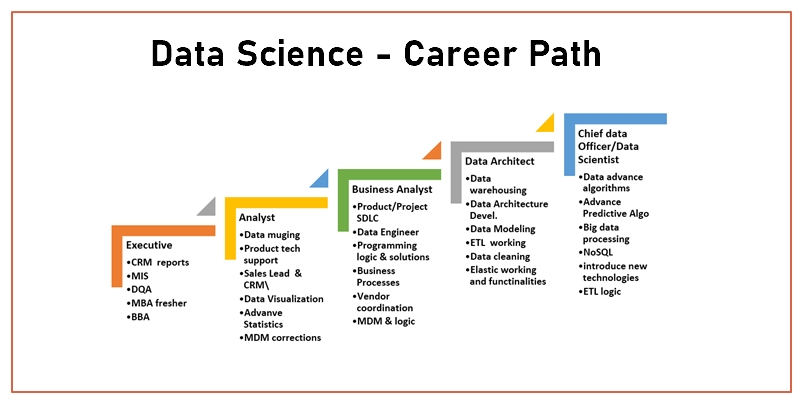
The demand for data science professionals has surged in recent years, with the U.S. Bureau of Labor Statistics projecting a 36% increase in employment for data scientists between 2023 and 2033. Careers in data science span multiple roles, including:
- Data Analyst: Interpreting historical data to identify trends and inform business decisions.
- Data Scientist: Developing advanced models to predict future outcomes and solve complex problems.
- Machine Learning Engineer: Designing and deploying scalable machine learning systems.
- Data Engineer: Building the infrastructure that supports data pipelines and storage.
These roles require a blend of technical skills, domain knowledge, and communication abilities to effectively translate data into value.
Ethical Considerations in Data Science
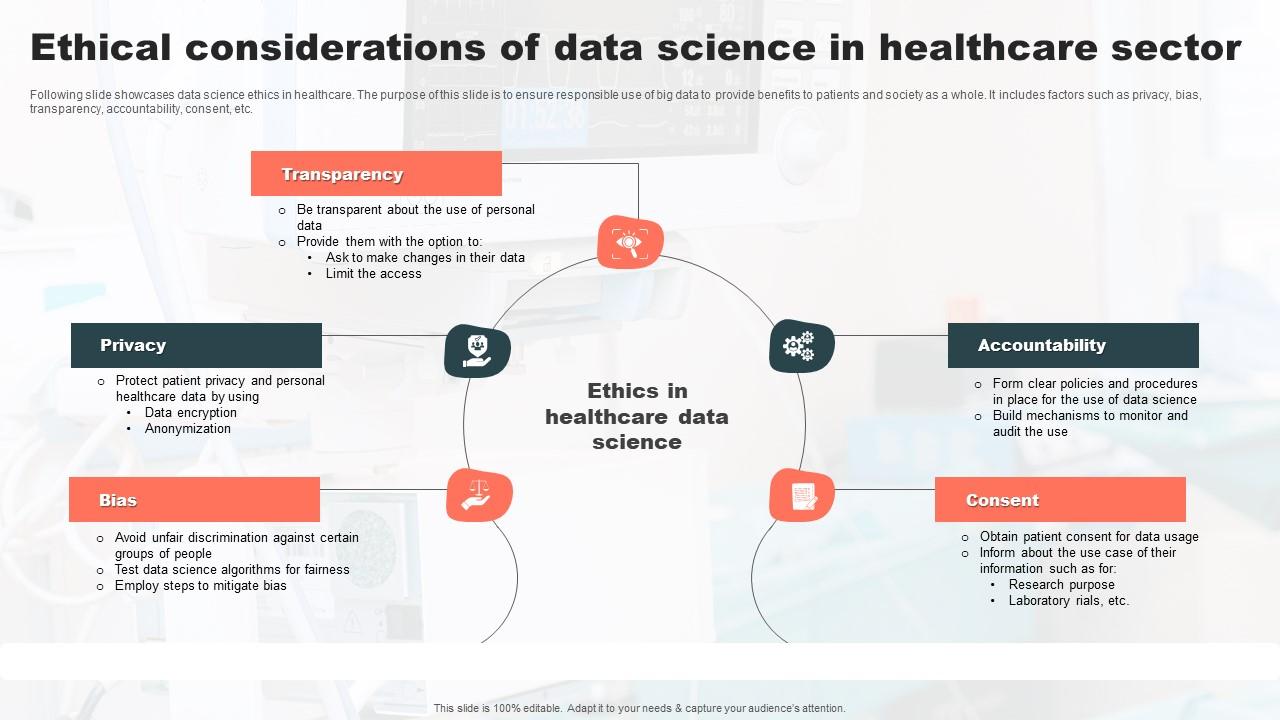
As data science becomes more integrated into daily life, ethical concerns have come to the forefront. Issues such as privacy, bias, and transparency are critical in ensuring responsible use of data. For instance, biased training data can lead to discriminatory outcomes in machine learning models, while improper data handling can violate user privacy.
To address these challenges, many organizations are adopting ethical frameworks and guidelines to ensure fairness, accountability, and transparency in data-driven decision-making. The growing emphasis on ethical AI and responsible data practices reflects the field’s commitment to societal well-being.
The Future of Data Science
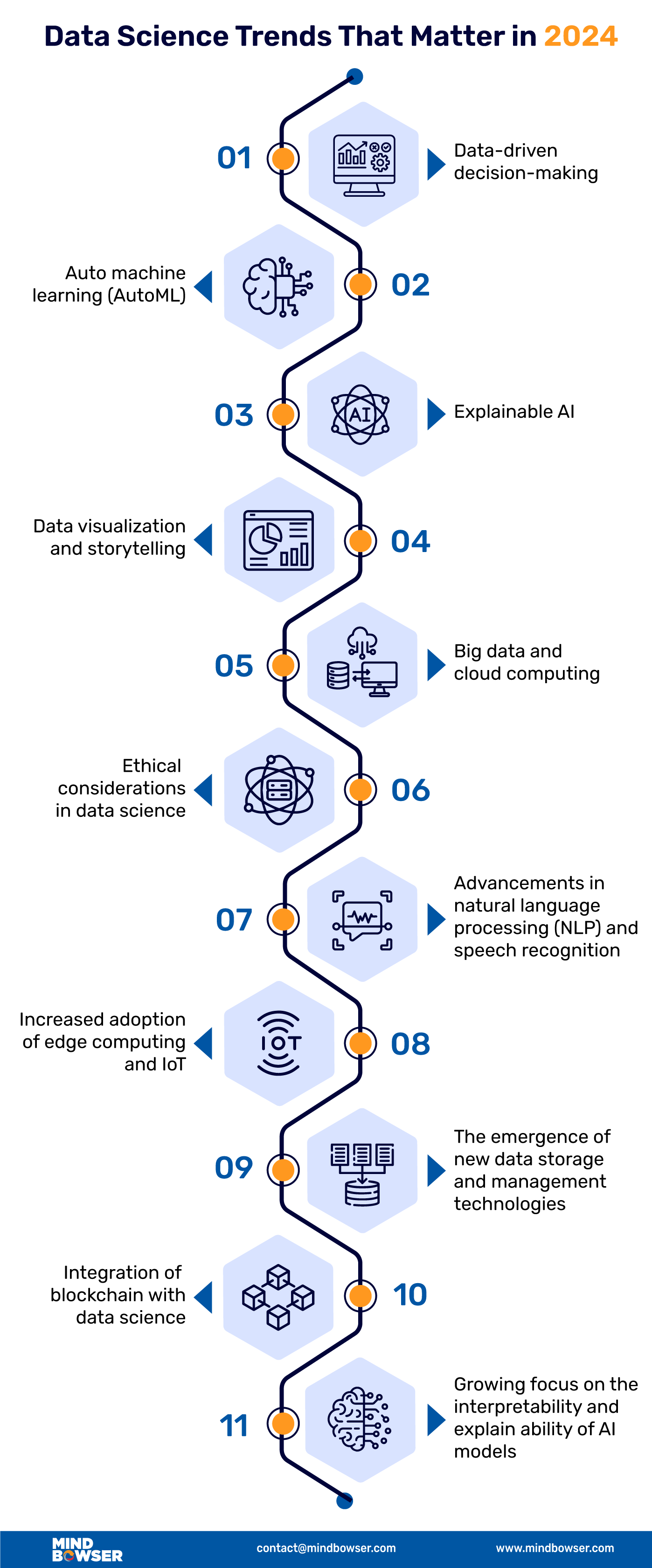
Looking ahead, data science is poised to play an even greater role in shaping the future of technology and society. Advances in deep learning, natural language processing, and quantum computing are opening up new possibilities for data analysis and prediction. Additionally, the increasing focus on ethical considerations will drive the development of more transparent and equitable AI systems.
With the continued growth of big data and the expansion of data science applications, the field is set to remain a vital force in driving innovation and progress across industries.
Conclusion
Data science has evolved from a niche academic discipline into a powerful tool that influences nearly every aspect of modern life. Its ability to transform complex data into actionable insights has made it indispensable in fields ranging from healthcare to finance. As the field continues to advance, it will be crucial to balance innovation with ethical responsibility, ensuring that data science serves the greater good. For those interested in pursuing a career in this dynamic field, the opportunities are vast and the impact profound.