The Rise of Blockchain Platforms: A Comprehensive Guide to the Top 10 in 2025
Blockchain technology, which first emerged with Bitcoin in 2009, has evolved into a cornerstone of innovation across multiple industries. From finance and healthcare to logistics and supply chain management, blockchain’s promise of transparency, security, and decentralization has made it a powerful tool for businesses worldwide. As the market is projected to reach nearly $1,000 trillion by 2032, selecting the right blockchain platform has become more critical than ever. This article explores the top 10 blockchain platforms of 2025, their key features, and how they are reshaping the digital landscape.
What Is a Blockchain Platform?
A blockchain platform is a foundational framework that enables the development and deployment of blockchain systems and applications. It provides essential tools such as data storage, smart contract functionality, and distributed ledger technology (DLT). These platforms allow developers to create, manage, and interact with decentralized networks, making them vital for building secure and efficient blockchain solutions.
Key Features of a Blockchain Platform
- Distributed and Decentralized Ledger: Blockchain systems enable shared, immutable digital ledgers that track assets and transactions across a network of computers.
- Security and Transparency: Cryptographic techniques ensure data integrity, preventing unauthorized alterations or hacking.
- Smart Contract Functionality: Self-executing contracts automate procedures and agreements, reducing the need for intermediaries.
- Scalability and Flexibility: Platforms offer options for creating private and public blockchains, allowing varying degrees of access control and transparency.
- Interoperability: Some platforms facilitate communication between different blockchains and external systems.
Advantages of Using Blockchain Platforms
- Comprehensive Resource Hub: A one-stop shop for all necessary components, accelerating the development of blockchain applications.
- Enhanced Productivity: Peer-to-peer transactions eliminate intermediaries, boosting efficiency and ROI.
- Fraud Prevention: Immutability ensures data cannot be altered, reducing fraudulent activities.
- Greater Transparency: Real-time transaction visibility builds trust and simplifies verification.
- Reduced Cost: Eliminating intermediaries cuts costs, while automation reduces labor expenses.
The Top 10 Blockchain Platforms of 2025
As blockchain adoption continues to grow, several platforms have emerged as leaders in the space. Here are eight of the most prominent ones:
1. Ethereum
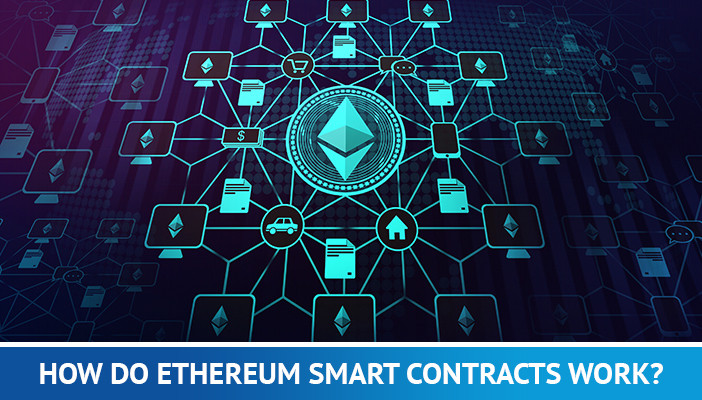
Launched in 2013, Ethereum is one of the oldest and most established blockchain platforms. It supports smart contracts, which have become a cornerstone of decentralized applications (dApps). Ethereum’s native cryptocurrency, ether, powers its ecosystem, which includes NFTs and DeFi platforms. After transitioning from proof of work (PoW) to proof of stake (PoS), Ethereum has significantly reduced energy consumption while improving scalability.
2. IBM Blockchain
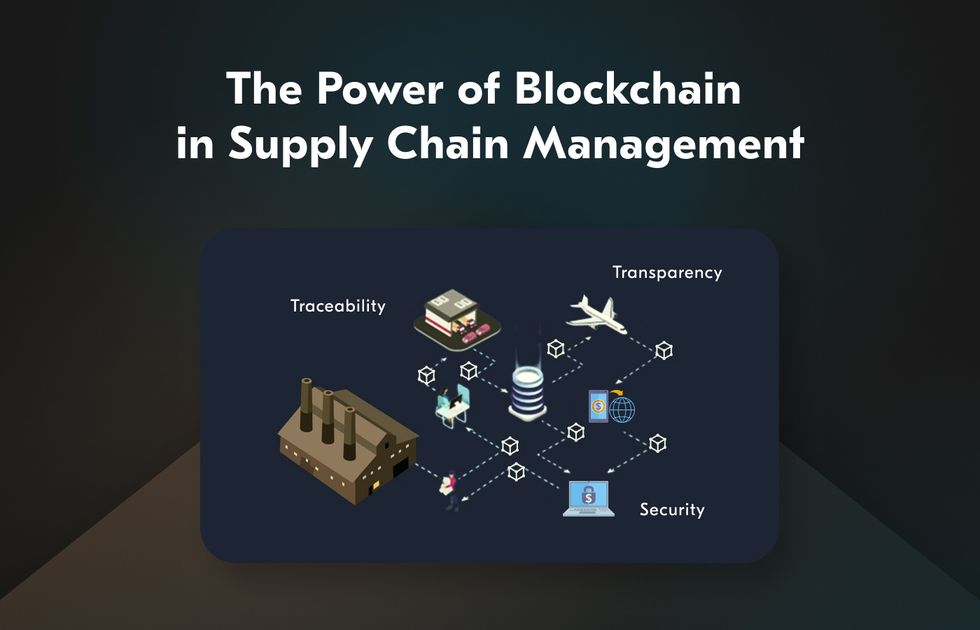
IBM Blockchain is a private, decentralized network designed to integrate seamlessly with enterprise cloud and legacy technologies. It has been widely adopted in financial services and supply chain management. Notable applications include IBM Food Trust, which enhances food traceability, and IBM Blockchain Transparent Supply, which improves SCM processes. Its user-friendly interface and customizable tools make it a popular choice for enterprises.
3. Hyperledger Fabric
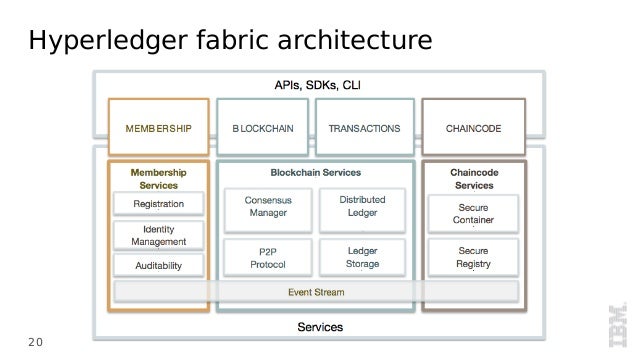
Hyperledger Fabric, developed by the Linux Foundation, is tailored for enterprise use cases. It offers modular architecture, enabling high-speed transactions and improved data privacy through channels and private data collections. Supported by major cloud providers like AWS and Microsoft, it is ideal for closed blockchain deployments. Version 3.0 introduced Byzantine fault tolerance, enhancing security and reliability.
4. R3 Corda

R3 Corda is a unique platform that blurs the line between blockchain and distributed ledger technology. It processes transactions in real time, offering faster performance compared to traditional blockchains. Widely used in the financial sector, Corda supports complex business logic and is favored by institutions like Bank of America and HSBC. Its delivery-versus-payment mechanism streamlines financial settlements.
5. Tezos
Tezos, launched in 2014, is known for its on-chain upgrade mechanism, which allows for seamless protocol updates without requiring forks. It supports dApps, smart contracts, and NFTs, making it versatile for various use cases. The Oxford 2 protocol, released in 2024, enhanced security and scalability, further solidifying its position in the market.
6. EOSIO
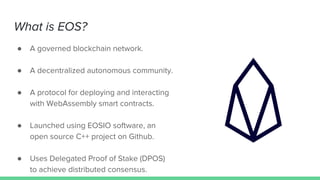
EOSIO is optimized for developing dApps and smart contracts, with a focus on performance and governance. Its PoS consensus mechanism enables fast transactions and advanced account permissions. The platform has over 400 applications, including those in identity management and DeFi. A fork called EOSIO-Taurus was created in 2023 to enhance enterprise capabilities.
7. Stellar
Stellar is a newer platform focused on DeFi and cross-border payments. It uses the Stellar Consensus Protocol to speed up transaction processing and improve security. Companies like MoneyGram and Circle have adopted Stellar for international money transfers. The Soroban smart contract platform further enhances its utility for Web 3.0 and DeFi applications.
8. Others
Other notable platforms include Cardano, Polkadot, and Solana, each offering unique features such as energy efficiency, interoperability, and high throughput. These platforms continue to innovate, pushing the boundaries of what blockchain can achieve.
Choosing the Right Blockchain Platform
Selecting the appropriate blockchain platform requires careful consideration of several factors:
- Open vs. Closed Blockchains: Public blockchains offer accessibility but may sacrifice speed, while private blockchains prioritize security and control.
- Consensus Mechanism: Options like PoW, PoS, and Byzantine fault tolerance impact performance and energy efficiency.
- Ledger Technology: Account models and UTXO models affect how transactions are recorded and verified.
- Smart Contract Capabilities: The programming languages and tools available influence the ease of development.
As blockchain continues to evolve, these platforms will play a crucial role in shaping the future of digital transactions, supply chains, and decentralized ecosystems. Whether you’re an enterprise looking to streamline operations or a developer seeking to build the next big dApp, understanding the strengths and limitations of each platform is essential for success.