The Rise of Digital Experience Platforms: A New Era in Customer Engagement
In today’s hyper-connected world, businesses are constantly seeking ways to enhance customer engagement and deliver seamless digital experiences. Enter the Digital Experience Platform (DXP), a powerful tool that is reshaping how companies interact with their customers across various touchpoints. As we delve into the intricacies of DXPs, it becomes clear that they are not just another piece of software but a strategic necessity for modern enterprises.
What is a Digital Experience Platform?
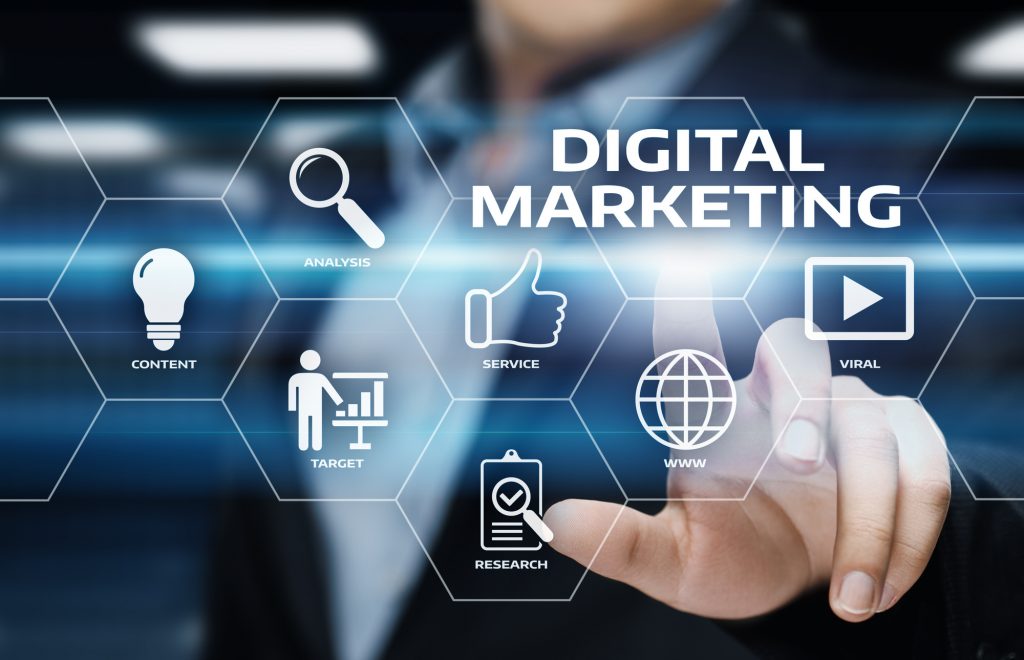
A Digital Experience Platform (DXP) is a comprehensive software solution designed to manage and optimize digital interactions across multiple channels. It encompasses a wide array of functionalities such as content management, e-commerce, personalization, and analytics. Unlike traditional web content management systems, DXPs are tailored to support the entire digital customer lifecycle, from content creation to deployment and measurement.
At its core, a DXP serves as a centralized hub for managing digital assets, ensuring consistency in branding and messaging. This platform allows organizations to create, manage, and deliver content across various channels, including websites, mobile apps, social media, and IoT devices. By leveraging cloud infrastructure, DXPs offer scalability and flexibility, enabling businesses to adapt quickly to changing market demands.

Key Components of a Digital Experience Platform

- Content Management: Centralized content repositories allow for efficient management and distribution of content across multiple platforms.
- Digital Asset Management (DAM): DXPs facilitate the storage and organization of digital assets like images, videos, and audio files, making them easily accessible for use across different contexts.
- Commerce Integration: E-commerce capabilities enable businesses to set up online storefronts, process payments, and track orders seamlessly.
- Customer Relationship Management (CRM): By tracking customer data, DXPs help build long-term relationships and personalize experiences for each user.
- Analytics and Insights: Advanced analytics tools provide real-time insights into user behavior, allowing for data-driven decisions to optimize the customer experience.
- Personalization and Automation: DXPs leverage user data to create personalized experiences, often automating these processes to scale effectively.
- Experimentation: Features like A/B testing allow businesses to experiment with different content variations to determine what resonates best with their audience.
- APIs and Integrations: Flexible APIs enable DXPs to integrate with other software solutions, creating a cohesive technology stack tailored to specific business needs.
Choosing the Right Digital Experience Platform

Selecting the right DXP involves a thorough evaluation of your business requirements and goals. Here are some critical considerations:
- Map Your Requirements to Your Goals: Identify what features are essential for your business and ensure they align with your strategic objectives.
- Validate with Experts: Consult industry analysts like Gartner and Forrester to understand the landscape and identify top performers in the market.
- Ask for References: Request case studies and references from vendors to gain insight into their success stories and how they’ve addressed similar challenges.
- Evaluate Vendor Ecosystems: Consider the vendor’s partner ecosystem and integration capabilities to ensure compatibility with your existing systems.
- Don’t Compromise: Choose a vendor that offers a balance of speed, quality, cost, and support without sacrificing any critical aspects.
Examples of Digital Experience Platforms
Several leading platforms have emerged as top contenders in the DXP space, including:
- Optimizely
- Acquia
- Sitecore
- Salesforce
- Bloomreach
- Oracle
- SAP
- Liferay
- OpenText
- Adobe Experience Manager
Each of these platforms offers unique features and capabilities, catering to different business needs and industries.
The Future of Digital Experience Platforms
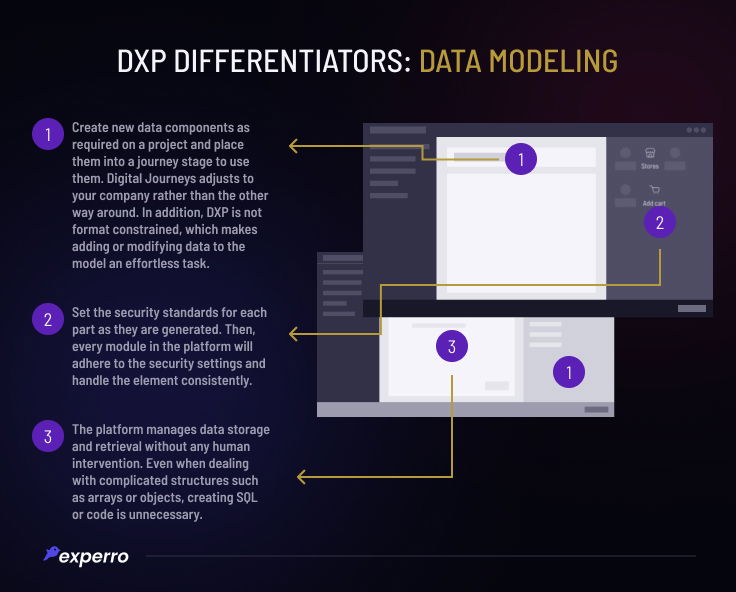
The DXP market is evolving rapidly, with a growing emphasis on composable architectures, AI-driven orchestration, and cloud-based solutions. According to Gartner, by 2026, at least 70% of organizations will be mandated to acquire composable DXP technology, highlighting the shift towards more flexible and scalable solutions.
As businesses navigate this dynamic landscape, the importance of a robust DXP cannot be overstated. It enables companies to deliver personalized, consistent, and engaging experiences that resonate with their customers, ultimately driving loyalty and growth.

Conclusion
In conclusion, Digital Experience Platforms are no longer a luxury but a necessity for businesses aiming to thrive in the digital age. They empower organizations to manage and optimize digital interactions, ensuring a seamless and personalized experience for customers. As the market continues to evolve, staying informed about the latest trends and technologies will be crucial for businesses looking to maintain a competitive edge.