The Rise of IoT SaaS Platforms: Transforming Business with Smart Connectivity
In the rapidly evolving digital landscape, the Internet of Things (IoT) has emerged as a transformative force across industries. From manufacturing to healthcare and wearables, IoT devices are now embedded in almost every aspect of modern life. These devices collect data, automate processes, and enhance customer experiences, creating new business models that drive growth and innovation. However, deploying these connected systems is no small feat. Organizations face significant challenges in infrastructure setup, hardware standardization, and data processing, which have led to the rise of IoT SaaS platforms.
These platforms offer a streamlined solution by providing the necessary tools and services to manage IoT architecture and processing without requiring deep investments in gateways, edge servers, or fog nodes. As the market for IoT SaaS providers continues to expand, businesses must carefully evaluate their options based on factors such as scalability, real-time data capture, and analytics capabilities. This article explores the current state of IoT SaaS platforms, their benefits, and how they are reshaping the way organizations leverage IoT technology.
Understanding IoT SaaS Platforms
IoT SaaS (Software as a Service) platforms are cloud-based solutions designed to simplify the deployment and management of IoT systems. They provide a range of features, including device connectivity, data processing, analytics, and integration with other enterprise systems. By leveraging these platforms, companies can avoid the complexities of building custom IoT infrastructures from scratch, reducing both time-to-market and operational costs.
One of the key advantages of IoT SaaS platforms is their ability to handle the unique demands of IoT deployments. Unlike traditional enterprise systems, IoT requires specialized infrastructure that supports large volumes of data, real-time processing, and secure communication between devices and the cloud. SaaS providers address these needs by offering pre-configured tools and scalable architectures that adapt to the specific requirements of each organization.
For instance, Microsoft Azure IoT Hub offers built-in analytics and machine learning capabilities, enabling businesses to extract actionable insights from their IoT data. Oracle IoT Cloud Service provides application-specific offerings tailored to industries like manufacturing and logistics, while Particle’s platform simplifies device connectivity with support for Wi-Fi, cellular, and tracking technologies. These examples highlight the diverse range of IoT SaaS solutions available, each catering to different use cases and industry needs.
Key Considerations When Choosing an IoT SaaS Provider
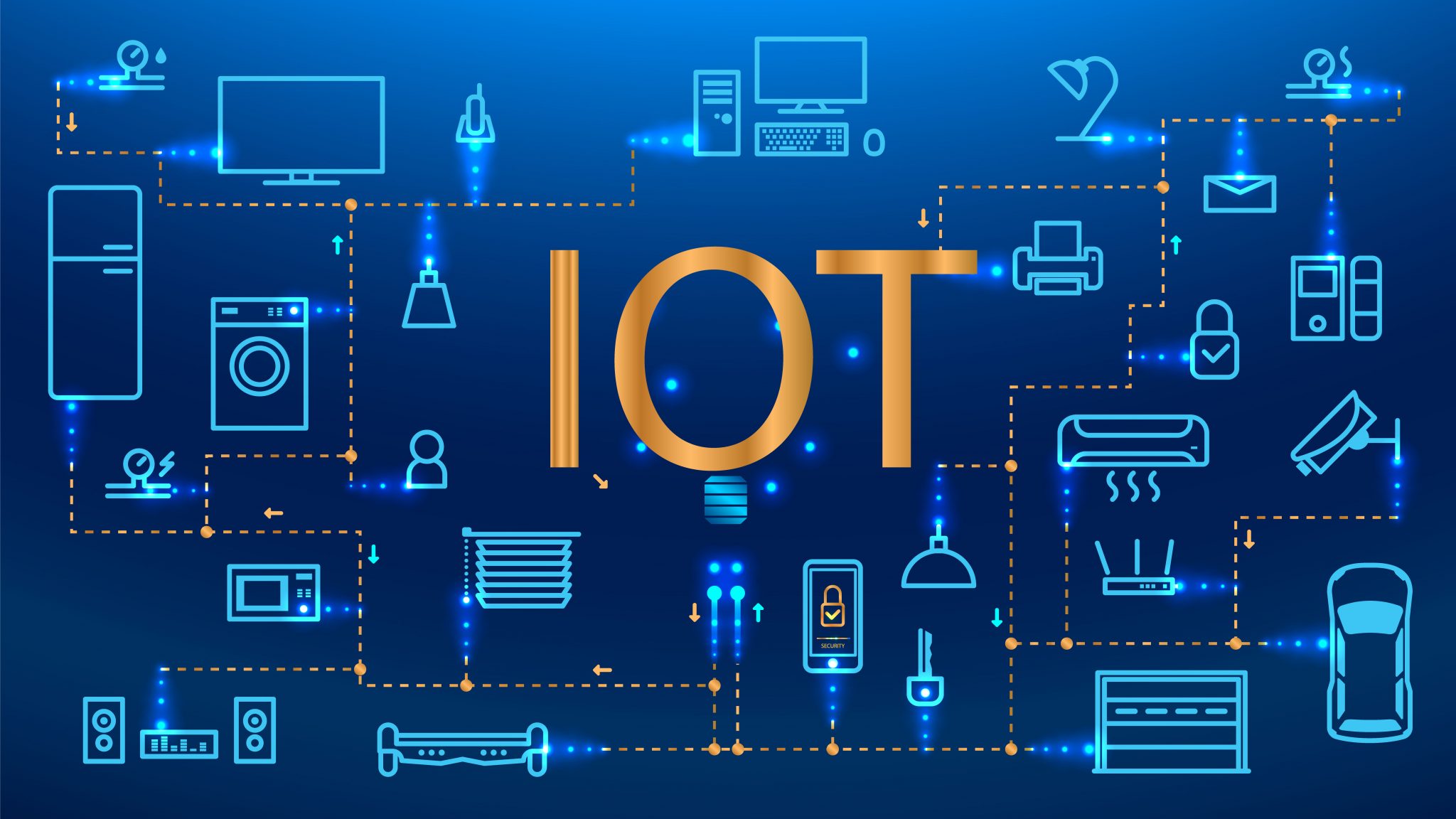
While many IoT SaaS providers offer similar features—such as scalability, real-time data capture, and machine learning—their pricing models can vary significantly. This makes it crucial for organizations to assess their specific requirements before making a decision. Factors to consider include:
- Number of Devices: The scale of the IoT deployment will influence the choice of platform. Some providers may charge per device, while others offer tiered pricing based on data volume.
- Data Volume: The amount of data generated by IoT devices can impact performance and cost. Providers with flexible data handling capabilities are better suited for high-volume environments.
- Analytics Needs: Organizations should evaluate whether the platform includes advanced analytics tools or if they need to integrate third-party solutions for deeper insights.
Additionally, the ease of integration with existing systems is another critical factor. Many IoT SaaS platforms offer APIs and connectors that enable seamless compatibility with CRM, ERP, and other enterprise applications. For example, Salesforce IoT Cloud allows users to import streaming data and create contextual profiles for IoT devices using its CRM resources. This level of integration ensures that IoT data can be leveraged across the entire organization.
The Evolution of IoT SaaS: From Prototyping to Scalability
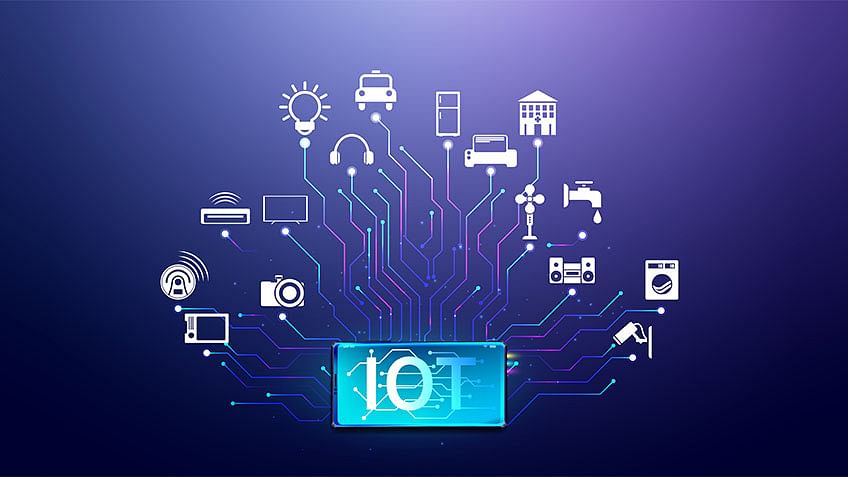
The journey of implementing IoT solutions often begins with prototyping and proof-of-concept (PoC) projects. At this stage, SaaS platforms are particularly valuable because they allow organizations to quickly connect devices and start collecting data without significant upfront investment. For example, IRI Voracity offers a data manipulation engine that can aggregate data at the edge, making it ideal for early-stage testing and development.
As organizations move beyond the prototype phase, they may need more customization and control over their IoT systems. This is where Platform as a Service (PaaS) solutions come into play. PaaS platforms, such as AWS IoT and Google Cloud IoT, provide the building blocks for developing custom IoT applications while allowing businesses to maintain greater flexibility and control over their infrastructure.
However, the transition from SaaS to PaaS is not always straightforward. Companies must weigh the trade-offs between the convenience of SaaS and the customization potential of PaaS. While SaaS platforms reduce complexity and accelerate deployment, they may lack the depth of features required for large-scale operations. On the other hand, PaaS solutions offer more control but require technical expertise to manage and optimize.
Challenges and Opportunities in the IoT SaaS Market

Despite the growing adoption of IoT SaaS platforms, several challenges remain. One of the most pressing issues is the lack of standardized hardware and security protocols. With so many IoT devices on the market, ensuring compatibility and security across different platforms can be a complex task. Additionally, the need for edge computing—processing data closer to the source rather than in the cloud—adds another layer of complexity to IoT deployments.
To address these challenges, some SaaS providers are integrating edge computing capabilities into their platforms. For instance, Microsoft Azure IoT Hub supports edge computing through its Azure IoT Edge service, enabling organizations to process data locally and reduce latency. Similarly, Particle’s platform includes a rules engine for managing IoT message flows, allowing for more efficient data processing at the edge.
Another challenge is the sheer number of IoT SaaS providers available. According to market research firm IoT Analytics, there were over 600 IoT platform providers in 2021 alone. This overwhelming choice can make it difficult for organizations to select the right platform for their needs. To simplify the decision-making process, many businesses turn to third-party evaluations and case studies to compare the strengths and weaknesses of different providers.
The Future of IoT SaaS
As the IoT ecosystem continues to evolve, the role of SaaS platforms will only become more critical. With advancements in artificial intelligence, 5G connectivity, and edge computing, the capabilities of IoT SaaS platforms are expected to expand further. This will enable organizations to unlock even more value from their IoT data, driving innovation and competitive advantage.
Looking ahead, the future of IoT SaaS will likely involve greater collaboration between platform providers and industry stakeholders. By working together, they can establish common standards, improve interoperability, and address the unique challenges faced by different sectors. This collaborative approach will be essential in ensuring that IoT SaaS platforms continue to meet the growing demands of the digital age.