
The Rise of Nearshore Software Development: A Strategic Choice for Modern Businesses
In today’s fast-paced digital landscape, businesses are constantly seeking ways to optimize operations, reduce costs, and access top-tier talent. One strategy that has gained significant traction is nearshore software development. This model offers a compelling balance between cost-efficiency, cultural alignment, and operational agility, making it an attractive option for companies looking to scale or innovate.
Understanding Nearshore Software Development
Nearshore software development refers to the practice of outsourcing IT services to teams located in nearby countries, typically within a 2-4 hour time zone difference. Unlike offshore outsourcing, which often involves significant time zone gaps and potential communication challenges, nearshoring allows for real-time collaboration and smoother project management. This model sits between onshore (domestic) and offshore (distant) outsourcing, offering the best of both worlds.
The key benefits of nearshore software development include:
- Cost Efficiency: Hiring developers from neighboring countries can significantly reduce labor costs without compromising on quality.
- Cultural Proximity: Shared languages, similar work ethics, and comparable business practices make collaboration more seamless.
- Time Zone Alignment: Minimal time differences enable real-time communication and faster decision-making.
Why Companies Are Choosing Nearshore Outsourcing
According to the Deloitte Global Outsourcing Survey 2022, 76% of companies outsource their IT services, with nearshore development being a popular choice. Here are some of the primary reasons businesses opt for this model:
1. Cost Savings
Nearshore outsourcing can cut costs by up to 70%, as reported by the Accelerance report. For example, hiring a developer in Ukraine can be twice as cost-effective as hiring a similar professional in France or Germany. This makes it an ideal solution for startups and small businesses looking to maximize their budgets.
2. Access to Talent
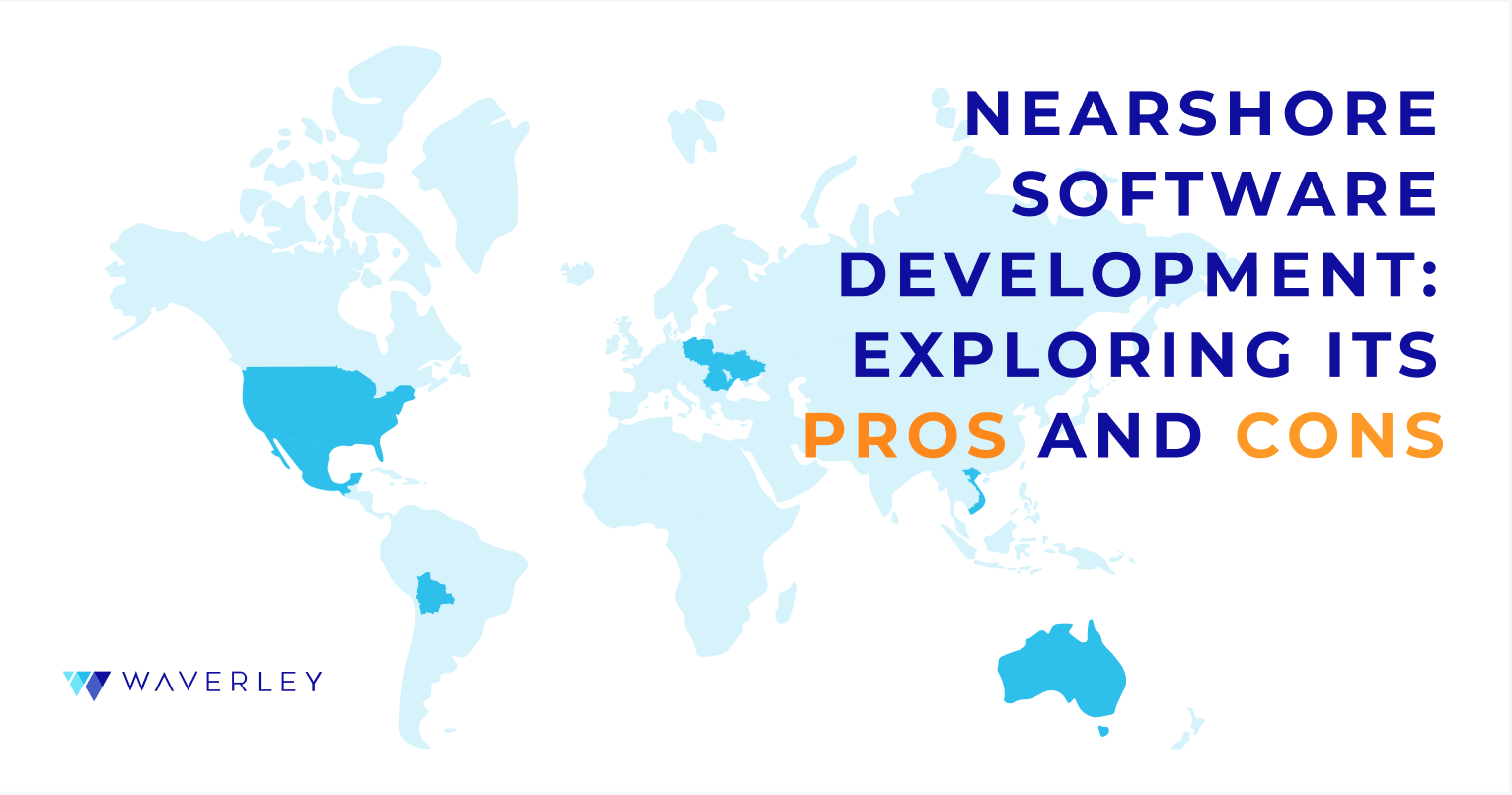
Businesses can tap into a broader pool of skilled professionals. Countries like Poland, Romania, and Ukraine have vibrant tech ecosystems with highly trained developers. This access to diverse talent ensures that companies can find the right expertise for their projects.
3. Scalability
Nearshore models allow for quick scaling. Whether a company needs to expand its team rapidly or adjust resources based on project demands, nearshore outsourcing provides flexibility. This is particularly beneficial for agile-based projects that require frequent iterations.
Key Advantages of Nearshore Software Development
Beyond cost savings and scalability, nearshore software development offers several other advantages:
1. Faster Time to Market
Hiring vetted engineers from a nearshore location can accelerate project timelines. Instead of spending months recruiting and onboarding, businesses can start working with ready-to-go teams, ensuring timely product launches.
2. Improved Communication
With minimal time zone differences, real-time collaboration becomes feasible. This leads to quicker problem-solving and better alignment between in-house and nearshore teams.
3. Cultural and Regulatory Alignment

Nearshore partners often share similar regulatory frameworks, reducing the risk of compliance issues. For instance, if a company in the Netherlands outsources to Poland, both regions adhere to GDPR guidelines, simplifying data handling processes.
Challenges and Considerations
While nearshore software development has many benefits, it’s not without its challenges. Businesses must carefully evaluate potential risks, such as:
- Data Security: Ensuring that sensitive information is protected through robust contracts and security protocols.
- Intellectual Property Risks: Partnering with trustworthy vendors and legal experts to safeguard proprietary assets.
- Pricing: While cheaper than onshore options, nearshore outsourcing still comes at a higher cost than offshore alternatives.
How to Choose the Right Nearshore Vendor
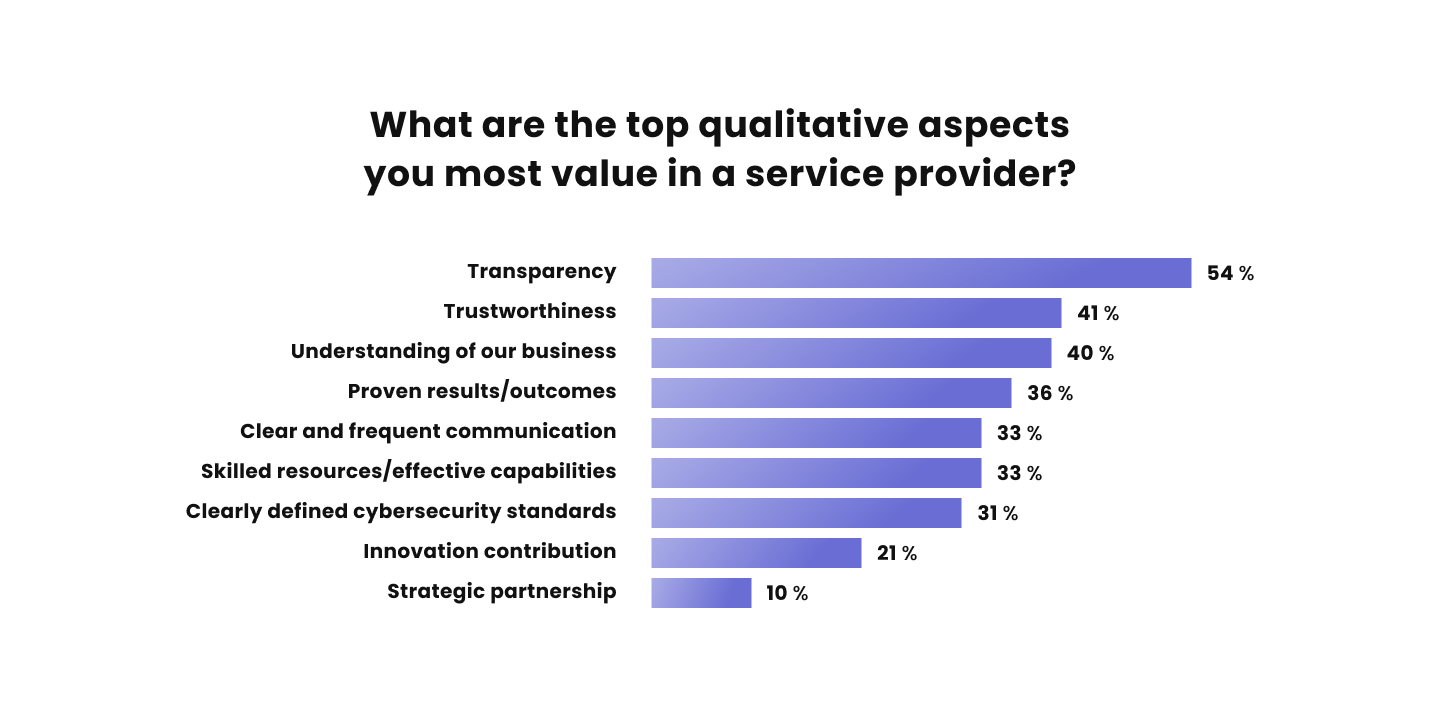
Selecting the right nearshore partner is crucial for project success. Key factors to consider include:
- Experience: Look for vendors with a proven track record in similar projects.
- Agile Methodology: Teams that follow Agile principles ensure continuous improvement and high-quality outputs.
- Talent Retention: High employee retention rates indicate a well-managed and motivated workforce.
- Industry Reputation: Check reviews and testimonials on platforms like Clutch and Techreviewer to gauge credibility.
Tips for Effective Nearshore Outsourcing

To maximize the benefits of nearshore software development, businesses should:
- Define Clear Objectives: Understand what tasks you want to outsource and set realistic expectations.
- Appoint a Supervisor: Having a dedicated point of contact ensures smooth communication and issue resolution.
- Build Trust: Establish clear workflows and maintain open lines of communication to foster a collaborative environment.
UVIK: Your Trusted Nearshore Partner
UVIK, with offices in Poland and Estonia, is a leading nearshore software development partner for European businesses. Our team follows Agile methodologies, complies with legal regulations, and delivers high-quality solutions tailored to your needs. From MVP design to cloud migration and long-term project development, we offer comprehensive services to help you achieve your goals.
Conclusion
Nearshore software development is more than just a cost-saving measure—it’s a strategic approach that empowers businesses to scale efficiently, access global talent, and maintain strong collaboration. By choosing the right partner and implementing effective strategies, companies can unlock new opportunities and drive innovation in a competitive market.