The Rise of SaaS ERP: Transforming Business Operations in the United States
In the ever-evolving landscape of enterprise technology, Software as a Service (SaaS) Enterprise Resource Planning (ERP) systems have emerged as a game-changer for businesses across the United States. These cloud-based solutions are redefining how companies manage their operations, offering scalability, cost-efficiency, and real-time insights that were once the exclusive domain of large enterprises. As more organizations embrace digital transformation, the shift from traditional on-premises ERP to SaaS ERP is accelerating, driven by the need for agility, innovation, and seamless integration with modern technologies.
Understanding SaaS ERP: A New Era of Enterprise Software
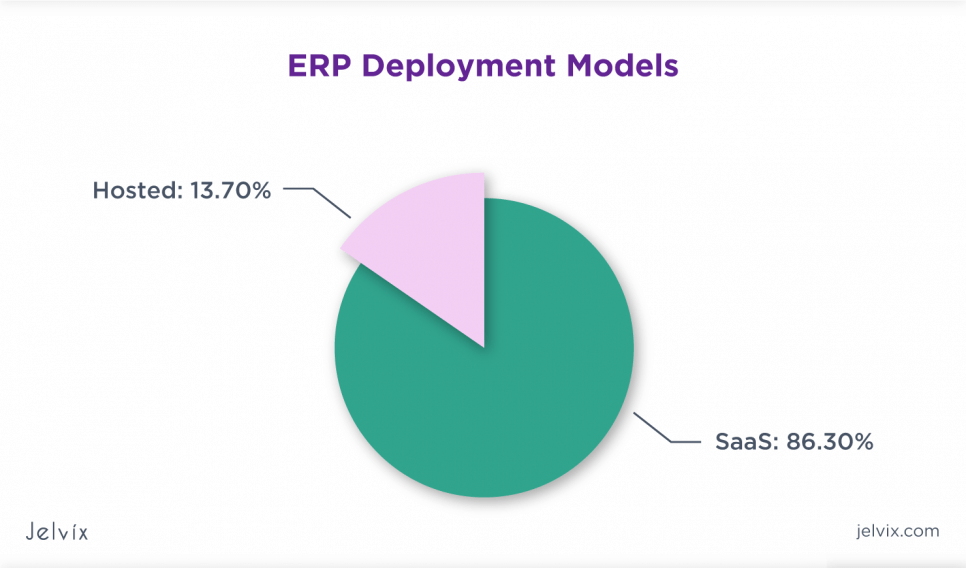
At its core, SaaS ERP is a cloud-based model where software is hosted by a third-party provider and accessed over the internet. Unlike traditional on-premises ERP systems, which require significant hardware investments and IT infrastructure, SaaS ERP eliminates the need for physical servers and reduces the burden on internal IT teams. This model allows businesses to focus on their core operations while the vendor handles maintenance, updates, and security.
One of the key advantages of SaaS ERP is its subscription-based pricing structure. Instead of paying a large upfront licensing fee, companies pay a monthly or annual fee per user. This model not only lowers initial costs but also provides greater flexibility, as businesses can scale their usage up or down based on demand. For small and mid-sized enterprises (SMEs), this affordability is a major factor in adopting SaaS ERP solutions.
Benefits of SaaS ERP for U.S. Businesses
1. Cost Efficiency and Scalability
SaaS ERP significantly reduces the total cost of ownership (TCO) compared to on-premises solutions. Companies avoid the high costs associated with purchasing and maintaining hardware, as well as the ongoing expenses of IT staff and data centers. Additionally, the pay-as-you-go model allows businesses to scale their ERP systems as they grow, ensuring that they only pay for what they use.
2. Faster Implementation and Time-to-Value
Implementing an on-premises ERP system can take months or even years, involving complex configurations, server setups, and extensive training. In contrast, SaaS ERP solutions are typically deployed within weeks, allowing businesses to start realizing value almost immediately. This speed is crucial in today’s fast-paced business environment, where time-to-market can make or break a company’s success.
3. Automatic Updates and Enhanced Security
With SaaS ERP, vendors handle all software updates, ensuring that users always have access to the latest features and security patches. This eliminates the risk of running outdated systems, which can be vulnerable to cyber threats. Moreover, cloud providers invest heavily in security measures, such as encryption, multi-factor authentication, and regular audits, to protect sensitive business data.
Key Features of SaaS ERP Systems
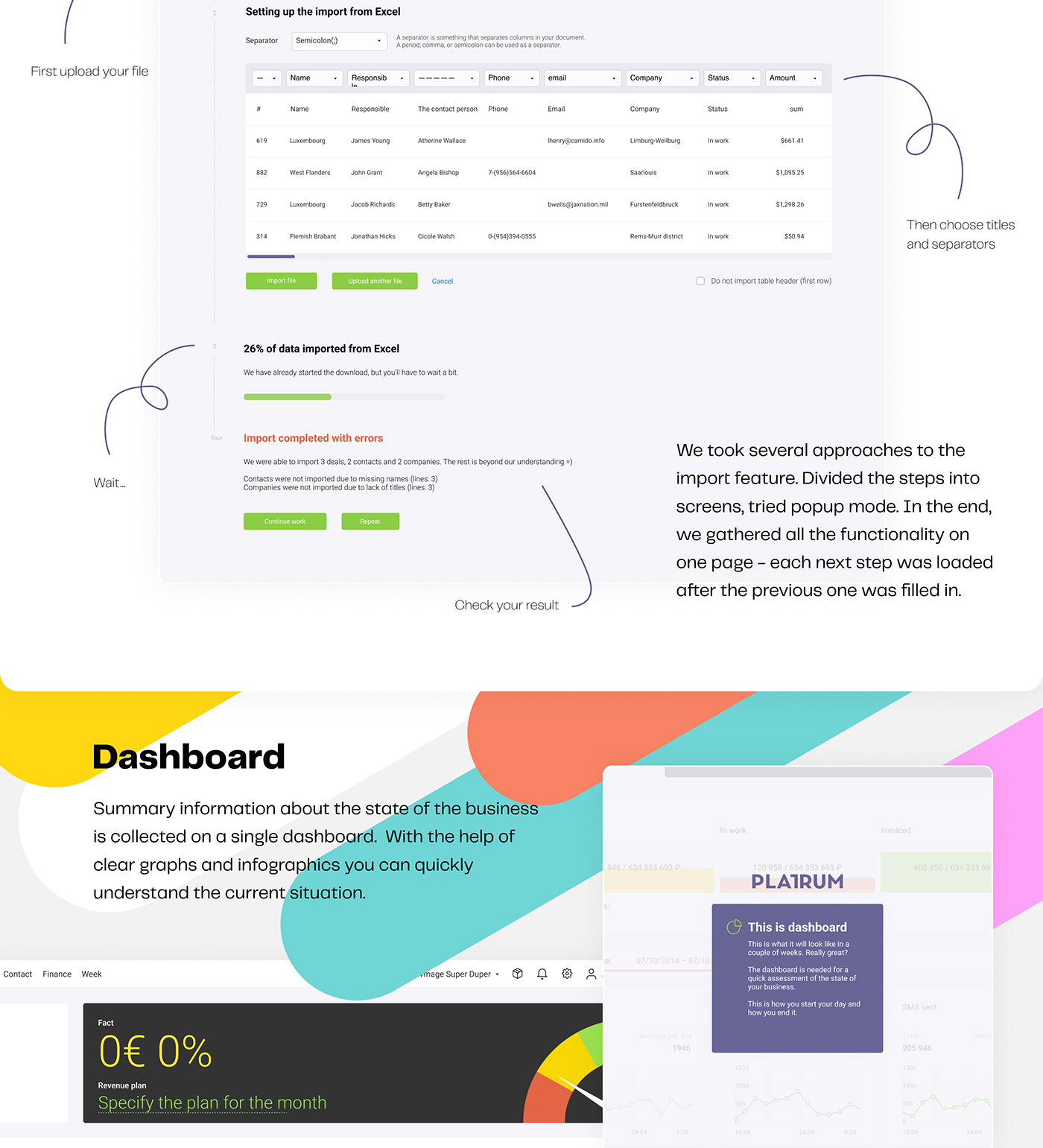
SaaS ERP systems offer a wide range of functionalities that cater to various business needs. Some of the most common features include:
- Financial Management: Tools for accounting, budgeting, forecasting, and financial reporting.
- Supply Chain Management: Modules for procurement, inventory management, and order fulfillment.
- Customer Relationship Management (CRM): Features for sales tracking, customer support, and marketing automation.
- Human Resources Management (HRM): Functions for payroll, benefits administration, and employee performance tracking.
- Analytics and Reporting: Real-time dashboards and advanced analytics to drive data-driven decisions.
These features are often integrated into a single platform, providing a unified view of business operations and enabling seamless collaboration across departments.
Choosing the Right SaaS ERP Solution
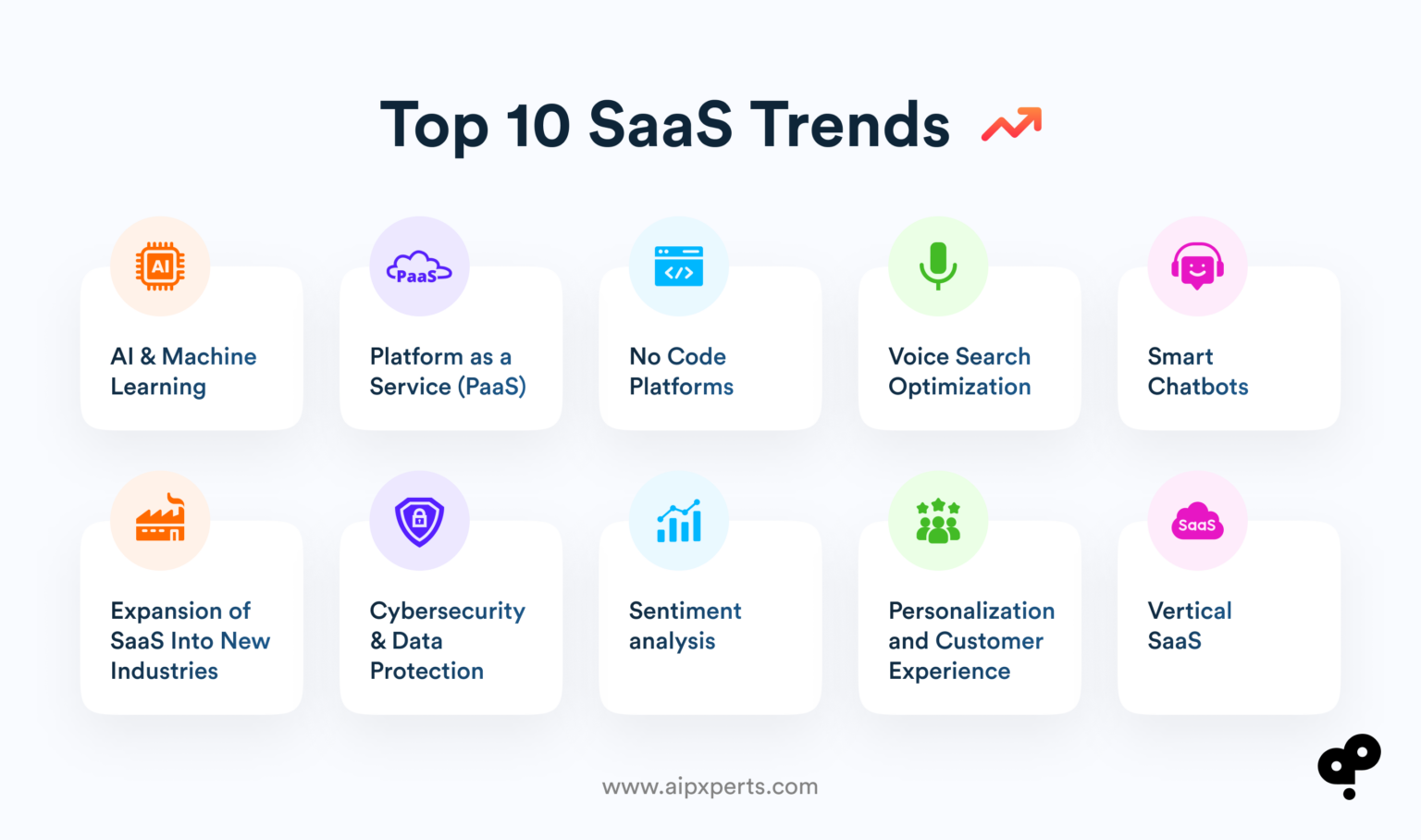
Selecting the right SaaS ERP solution requires careful consideration of several factors. Here are some key points to evaluate:
1. Industry-Specific Capabilities
Not all SaaS ERP solutions are created equal. Some platforms are tailored to specific industries, such as manufacturing, retail, or healthcare, offering specialized modules and workflows. It’s essential to choose a solution that aligns with your business’s unique requirements.
2. Integration with Existing Systems
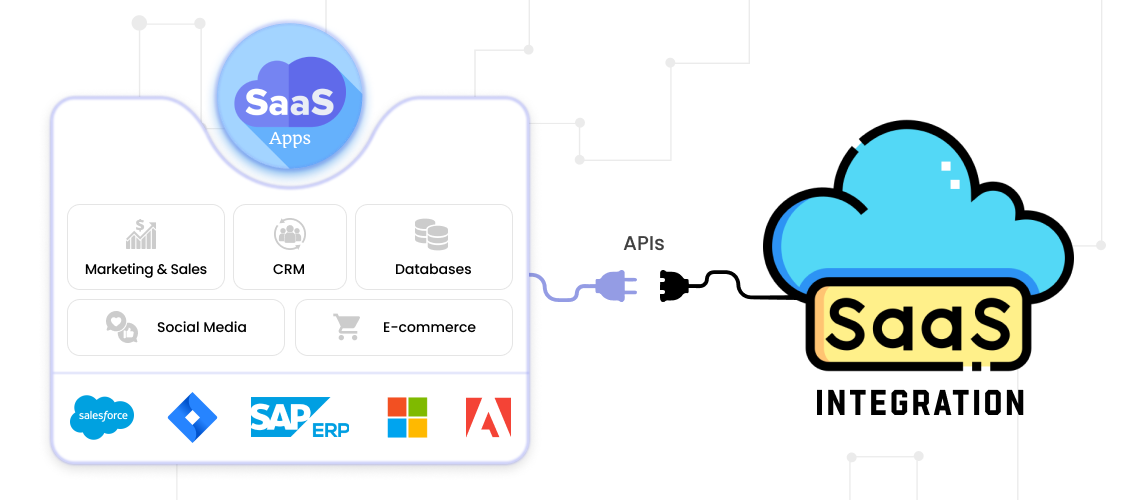
Many businesses already have legacy systems or other software applications in place. A good SaaS ERP solution should seamlessly integrate with these systems, allowing for smooth data flow and minimizing disruptions.
3. User Experience and Training
The success of any ERP implementation depends on user adoption. Look for platforms with intuitive interfaces and robust training programs to ensure that employees can quickly adapt to the new system.
4. Vendor Reputation and Support
Choose a vendor with a proven track record and strong customer support. Reliable technical assistance and regular updates are critical for long-term success.
The Future of SaaS ERP in the U.S.
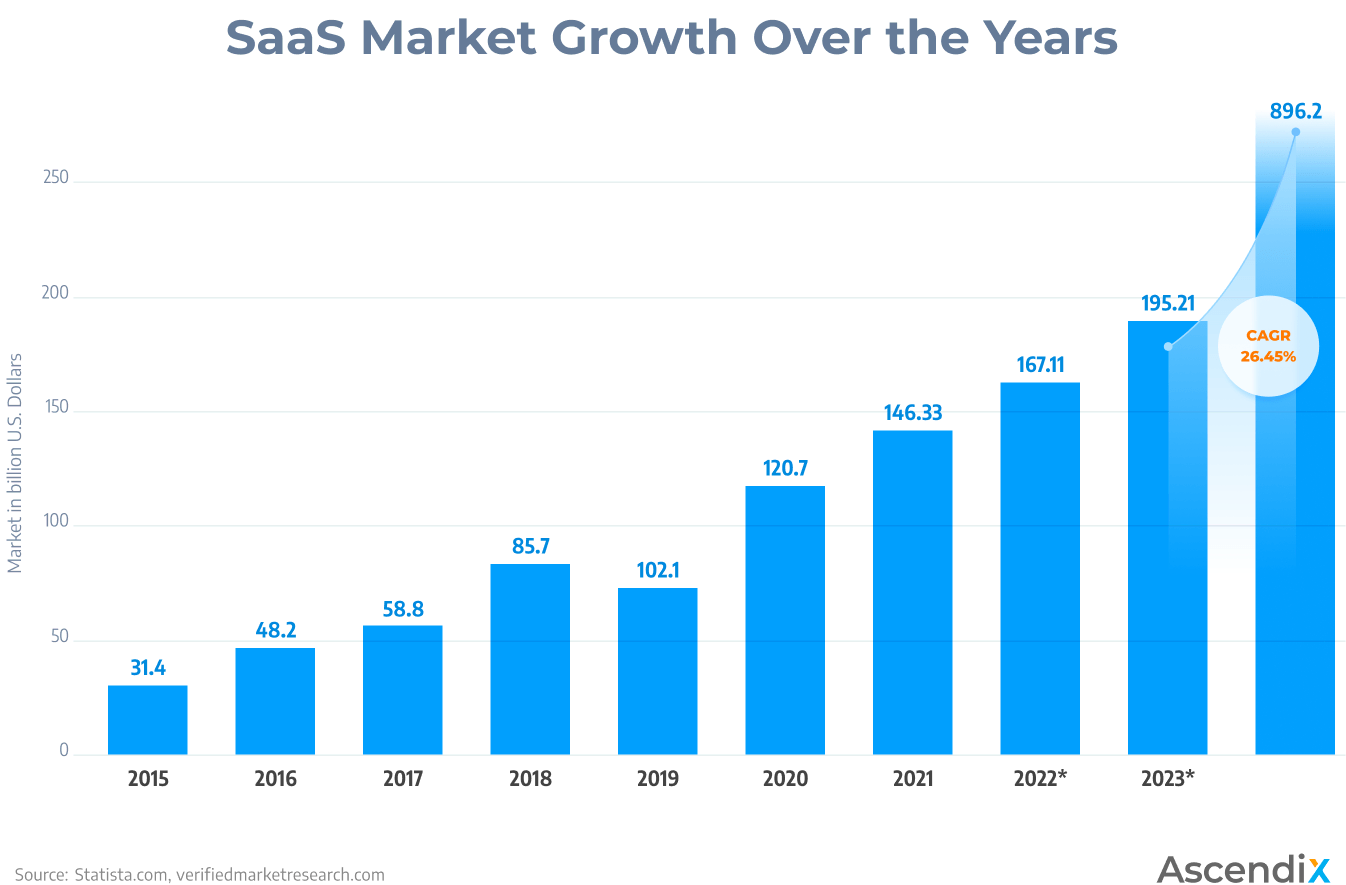
As technology continues to evolve, the future of SaaS ERP looks promising. Emerging trends such as artificial intelligence (AI), machine learning, and the Internet of Things (IoT) are expected to further enhance the capabilities of SaaS ERP systems. These innovations will enable businesses to automate complex processes, gain deeper insights through predictive analytics, and improve operational efficiency.
Moreover, the growing emphasis on sustainability and environmental responsibility is driving the adoption of cloud-based solutions that reduce energy consumption and carbon footprints. SaaS ERP systems, with their scalable and efficient architecture, are well-positioned to support these initiatives.
Conclusion
SaaS ERP is no longer just a trend—it has become a strategic imperative for businesses in the United States. By leveraging cloud-based solutions, companies can achieve greater agility, cost savings, and operational efficiency. As the market continues to mature, the adoption of SaaS ERP is expected to accelerate, transforming the way businesses operate and compete in the digital age.
For organizations looking to stay ahead of the curve, investing in SaaS ERP is not just about keeping up with the times; it’s about embracing the future of enterprise software. With the right solution in place, businesses can unlock new opportunities, drive innovation, and position themselves for long-term success.