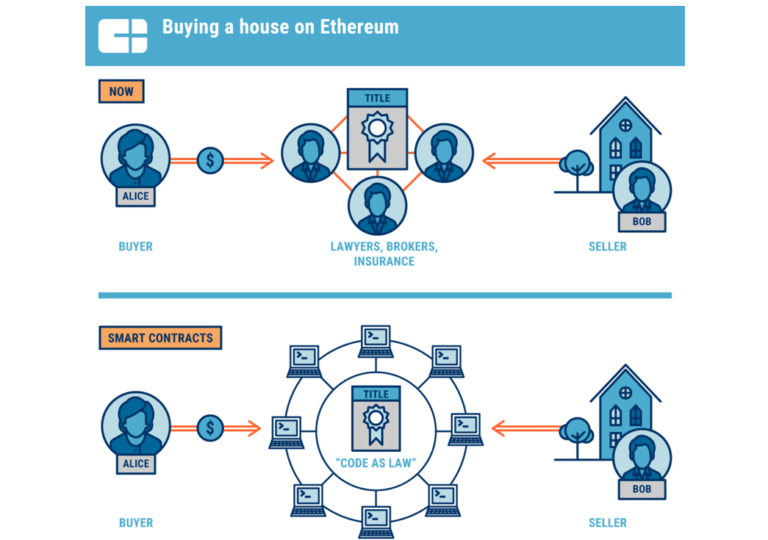
The Rise of Smart Contracts: Automating Agreements on Decentralized Platforms
In the rapidly evolving landscape of digital technology, smart contracts have emerged as a revolutionary tool for automating agreements and transactions. These self-executing contracts, built on decentralized platforms like Ethereum, are transforming how we think about legal and financial interactions. By leveraging blockchain technology, smart contracts eliminate the need for intermediaries, reduce costs, and enhance transparency. This article explores the origins, mechanics, applications, and challenges of smart contracts, highlighting their potential to reshape industries from finance to real estate.
Origins of Smart Contracts
The concept of smart contracts dates back to 1994 when Nick Szabo, an American computer scientist, first introduced the idea. Szabo envisioned a system where contractual terms could be automatically executed by software, reducing the reliance on traditional legal frameworks. His work laid the foundation for what would later become a cornerstone of blockchain technology.
Szabo’s vision was further realized with the advent of cryptocurrencies, particularly Bitcoin. However, it was Ethereum, launched in 2015 by Vitalik Buterin, that truly brought smart contracts into the mainstream. Ethereum’s introduction of a Turing-complete programming language, Solidity, allowed developers to create complex contracts that could execute a wide range of functions. This innovation marked a significant milestone in the development of decentralized applications (dApps) and the broader ecosystem of decentralized finance (DeFi).
How Smart Contracts Work

At their core, smart contracts operate on the principle of “if/when…then…” statements. These conditions are programmed into the blockchain, and once the specified criteria are met, the contract executes automatically. For example, if a buyer sends a certain amount of cryptocurrency to a seller, the smart contract could release the goods or services agreed upon.
The process begins with the deployment of the contract on a blockchain network. A transaction is sent from a wallet, containing the compiled code of the smart contract and a special receiver address. Once this transaction is included in a block, the contract’s code executes, establishing its initial state. Byzantine fault-tolerant algorithms secure the contract, ensuring that it remains tamper-proof.
Applications of Smart Contracts
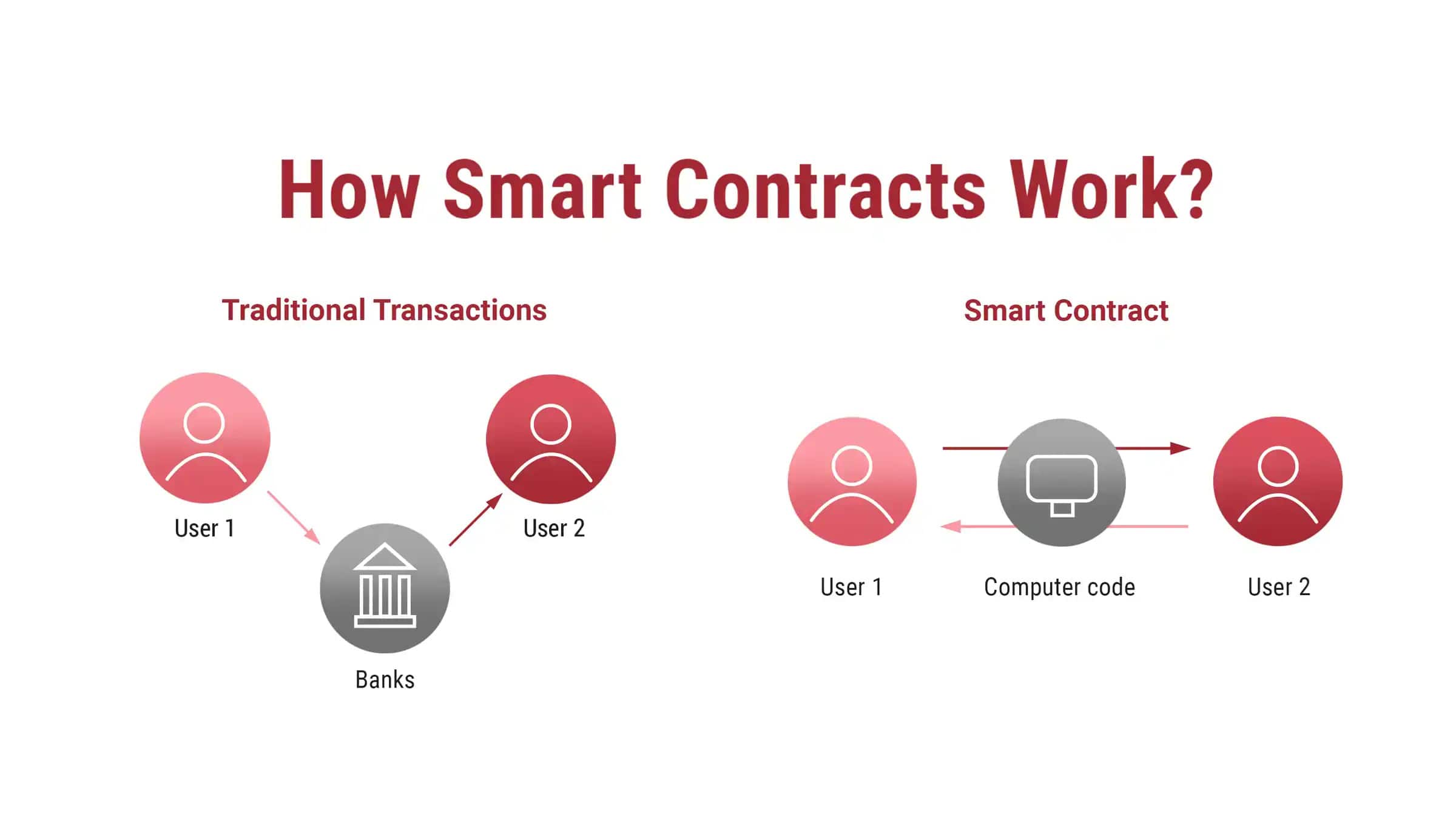
Smart contracts have found applications across various industries, offering efficiency and security. In the realm of finance, they are used for automated payments, lending, and trading. For instance, DeFi platforms utilize smart contracts to facilitate peer-to-peer lending without the need for traditional banks. This not only reduces costs but also increases accessibility for individuals who may be excluded from traditional financial systems.
In real estate, smart contracts can streamline property transactions. When a buyer meets the conditions of a contract, such as transferring funds, the contract automatically transfers ownership, eliminating the need for lengthy paperwork and intermediaries. Similarly, in supply chain management, smart contracts can track the movement of goods, ensuring transparency and accountability throughout the process.
Challenges and Security Issues
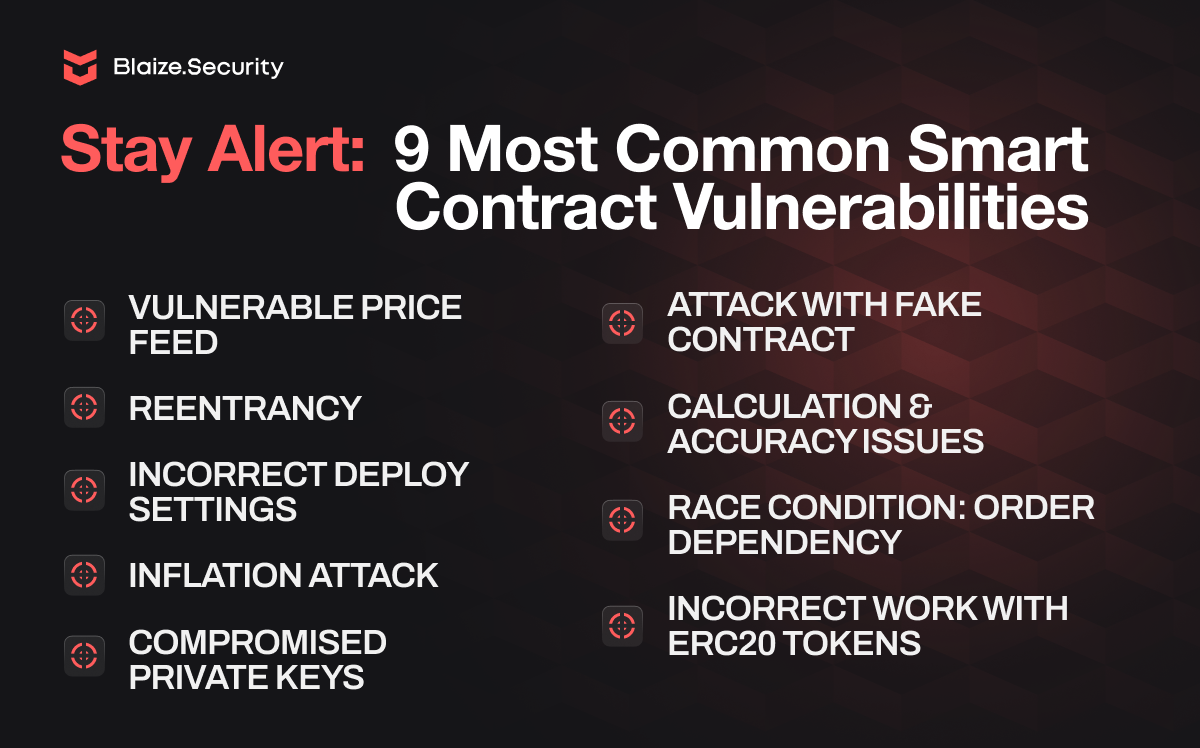
Despite their benefits, smart contracts are not without challenges. One of the primary concerns is security. Since the code is immutable, any bugs or vulnerabilities can lead to significant losses. The infamous DAO hack in 2016, which resulted in the loss of $50 million worth of Ether, highlighted the risks associated with smart contract vulnerabilities.
Moreover, the legal status of smart contracts remains ambiguous. While they can automate transactions, they do not typically constitute a legally binding agreement. This has led to discussions about the need for regulatory frameworks that recognize the enforceability of smart contracts.
The Future of Smart Contracts

As technology continues to evolve, so too will the capabilities of smart contracts. Innovations in programming languages and formal verification methods aim to enhance the security and reliability of these contracts. Additionally, the integration of oracles—systems that provide real-world data to smart contracts—could expand their functionality, enabling more complex and dynamic agreements.
In the United States, several states have begun to explore the legal implications of smart contracts. Arizona, Iowa, Nevada, Tennessee, and Wyoming have enacted legislation recognizing the use of smart contracts, signaling a shift towards embracing this technology.
Conclusion
Smart contracts represent a paradigm shift in how agreements are executed and enforced. By leveraging blockchain technology, they offer a transparent, efficient, and secure way to conduct transactions. While challenges remain, the potential for smart contracts to revolutionize industries is undeniable. As the technology matures and regulatory frameworks evolve, smart contracts are poised to play a pivotal role in shaping the future of digital interactions.