The Transformative Power of AI Chatbots in Modern Business
In today’s fast-paced business environment, small to medium-sized enterprises (SMEs) face constant challenges in managing customer inquiries, optimizing operations, and maintaining a competitive edge. From automotive service providers juggling appointment requests to hotel staff handling guest inquiries, the need for efficient solutions is more pressing than ever. Enter AI chatbots—a revolutionary tool that is redefining how businesses interact with customers and streamline their workflows. By leveraging artificial intelligence, these digital assistants are helping companies unlock new levels of efficiency, customer satisfaction, and growth.
Understanding AI Chatbots: What They Are and How They Work
AI chatbots are virtual assistants powered by natural language processing (NLP) and machine learning algorithms. These tools can engage in conversations with users, understand their intent, and provide relevant responses. Unlike traditional rule-based bots, which rely on pre-defined answers, AI chatbots learn from interactions and adapt over time, offering a more personalized and dynamic experience.
There are three main types of chatbots:
1. Rule-Based Chatbots
These bots operate on a set of predefined rules and respond based on specific keywords or phrases. While they are effective for handling straightforward queries, they lack the flexibility to manage complex or nuanced interactions. Businesses that deal with a limited range of questions may find this type of chatbot suitable.
2. AI-Powered Chatbots
These advanced bots use NLP and machine learning to understand and respond to user inputs in a more human-like manner. They can handle a wide array of queries, improve with each interaction, and even detect customer sentiment. This makes them ideal for businesses looking to enhance customer engagement and provide a seamless experience.
3. Hybrid Chatbots
Combining the strengths of both rule-based and AI-powered chatbots, hybrid models offer the best of both worlds. They can handle routine tasks autonomously while seamlessly transferring complex issues to human agents when needed. This ensures that customers receive timely assistance without compromising on quality.
The Benefits of AI Chatbots for Businesses
The adoption of AI chatbots brings a multitude of advantages that can significantly impact a business’s bottom line. Here are some of the key benefits:
1. 24/7 Availability
One of the most significant advantages of AI chatbots is their ability to provide round-the-clock support. Unlike human agents, chatbots do not require breaks or sleep, ensuring that customers can get assistance at any time of day. This is particularly beneficial for global businesses that cater to customers in different time zones.
2. Enhanced User Experience
Chatbots collect and analyze customer data to deliver personalized experiences. By understanding user preferences and behavior, businesses can tailor their interactions, recommend relevant products, and improve overall satisfaction. This level of personalization can lead to increased loyalty and repeat business.
3. Cost Savings
Implementing AI chatbots can reduce operational costs by automating repetitive tasks such as answering FAQs, providing order updates, and handling basic support requests. This allows human agents to focus on more complex issues, improving efficiency and reducing the need for a large customer service team.
4. Multilingual Support
With the rise of e-commerce, businesses are increasingly serving customers across borders. AI chatbots can detect and switch to a user’s preferred language, breaking down communication barriers and expanding market reach.
5. Proactive Customer Service
Advanced chatbots can anticipate customer needs by analyzing browsing behavior and past interactions. They can proactively offer assistance, suggest products, or guide users through complex processes, enhancing the overall customer journey.
Real-World Applications of AI Chatbots
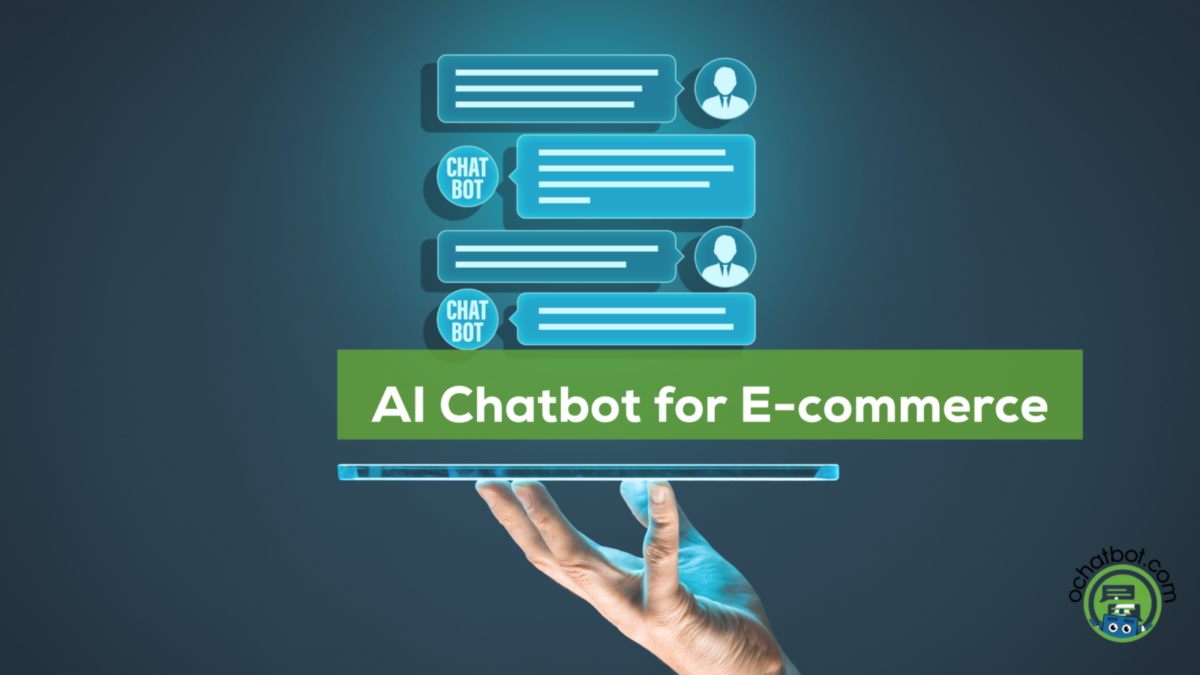
AI chatbots are being used across various industries to address specific challenges and improve customer interactions. Some of the most common use cases include:
1. Customer Service
Chatbots handle routine support tasks, such as answering FAQs, providing order status updates, and directing users to self-service resources. This frees up human agents to focus on more complex issues, improving response times and customer satisfaction.
2. E-commerce
In the retail sector, chatbots assist shoppers with product recommendations, order tracking, and returns. By integrating with CRM systems, they can offer personalized shopping experiences that drive conversions and increase sales.
3. Healthcare
Healthcare providers use chatbots to schedule appointments, answer medical questions, and provide general health information. This reduces the workload on staff and ensures patients receive timely care.
4. Lead Generation
Chatbots engage website visitors, qualify leads, and capture contact information. By automating the lead generation process, businesses can convert more prospects into customers without the need for constant human intervention.
5. Feedback Collection
Chatbots can gather customer feedback through surveys and post-interaction questionnaires. This data helps businesses identify areas for improvement and refine their strategies.
Challenges and Considerations

While AI chatbots offer numerous benefits, there are also challenges to consider. These include:
1. Setup and Maintenance
Implementing an AI chatbot requires initial setup and ongoing maintenance. Businesses must invest time and resources to train the bot, update its knowledge base, and ensure it aligns with company goals.
2. Limited Emotional Intelligence
Chatbots cannot replicate human emotions or empathy. In situations where customers need emotional support, it is essential to have a fallback option to connect with a human agent.
3. Functionality Constraints
Despite their capabilities, chatbots have limitations. They may struggle with complex queries or tasks outside their predefined scope. It is crucial to choose a chatbot that offers scalability and flexibility.
4. Transparency
Customers should be informed when they are interacting with a chatbot. Maintaining transparency builds trust and ensures a positive user experience.
Strategies for Successful Implementation
To maximize the benefits of AI chatbots, businesses should follow these best practices:
1. Provide Human Oversight
Always allow customers to connect with a human agent when needed. This ensures that complex issues are addressed appropriately and maintains a high level of service.
2. Be Transparent
Clearly inform customers when they are interacting with a chatbot. This builds trust and sets the right expectations for the interaction.
3. Use High-Quality Training Data
The effectiveness of an AI chatbot depends on the quality of its training data. Regularly update the bot with relevant information to ensure accurate and helpful responses.
4. Monitor and Test
Continuously monitor the chatbot’s performance and test its responses. This helps identify areas for improvement and ensures a smooth user experience.
5. Collect Feedback
Gather customer feedback to evaluate the chatbot’s effectiveness. Use metrics such as Customer Satisfaction (CSAT) and Customer Effort Score (CES) to measure success and make necessary adjustments.
Conclusion
AI chatbots are revolutionizing the way businesses interact with customers and manage their operations. From enhancing customer service to driving sales and reducing costs, these digital assistants offer a wide range of benefits that can help SMEs thrive in a competitive market. By understanding the different types of chatbots, their applications, and the challenges involved, businesses can make informed decisions and implement solutions that align with their goals. As technology continues to evolve, the role of AI chatbots will only become more critical in shaping the future of customer engagement and business efficiency.