
The Ultimate Guide to Bitcoin Investment: Strategies, Risks, and Tips for 2025
Bitcoin has evolved from a niche digital experiment into one of the most talked-about investment opportunities in the world. As more individuals and institutions recognize its potential, understanding how to invest in Bitcoin becomes increasingly important. This guide will walk you through the fundamentals of Bitcoin, its role in the financial ecosystem, and strategies for making informed investment decisions.
What Is Bitcoin?
Bitcoin is a decentralized digital currency that operates on a technology called blockchain. Unlike traditional currencies, which are controlled by central banks, Bitcoin is maintained by a network of users around the world. It was created in 2009 by an anonymous individual or group known as Satoshi Nakamoto.
The core idea behind Bitcoin is to create a peer-to-peer electronic cash system that allows users to send and receive money without the need for intermediaries like banks. Transactions are verified by a network of computers, and once confirmed, they are recorded on a public ledger called the blockchain.
How Does Bitcoin Work?

At its heart, Bitcoin uses a decentralized ledger system to track transactions. Each transaction is grouped into blocks, which are then linked together in a chain—hence the term “blockchain.” These blocks are secured using complex cryptographic algorithms, ensuring that the data cannot be altered once it’s added to the blockchain.
Miners play a crucial role in maintaining the network. They use powerful computers to solve mathematical puzzles, and the first miner to solve a puzzle gets to add the next block of transactions to the blockchain. In return, they are rewarded with newly minted Bitcoin.
Why Invest in Bitcoin?

There are several reasons why investors are turning to Bitcoin:
- Potential for High Returns: Over the years, Bitcoin has shown significant growth. For example, it increased by over 763% in just one year, outpacing many traditional investments.
- Decentralization: Bitcoin is not controlled by any single entity, making it resistant to government interference or manipulation.
- Inflation Hedge: Some investors see Bitcoin as a hedge against inflation, similar to gold.
- Global Acceptance: More businesses and individuals are accepting Bitcoin as a form of payment, increasing its utility.
How to Invest in Bitcoin

Investing in Bitcoin is relatively straightforward, but it requires some preparation. Here’s a step-by-step guide:
1. Choose a Bitcoin Exchange
You’ll need to sign up with a cryptocurrency exchange to buy and sell Bitcoin. Popular options include Coinbase, Binance, and Kraken. These platforms allow you to purchase Bitcoin using your bank account, credit card, or other payment methods.
2. Set Up a Bitcoin Wallet

Once you’ve purchased Bitcoin, you’ll need a wallet to store it. There are two main types of wallets:
– Hot Wallets: These are online wallets that are convenient but less secure.
– Cold Wallets: These are hardware devices that store your Bitcoin offline, offering greater security.
3. Connect Your Wallet to a Bank Account
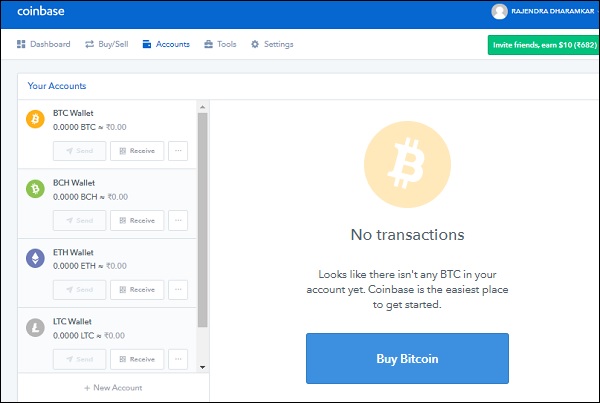
Linking your wallet to a bank account makes it easier to buy and sell Bitcoin. Most exchanges offer this feature, allowing you to fund your account directly from your bank.
4. Place Your Bitcoin Order
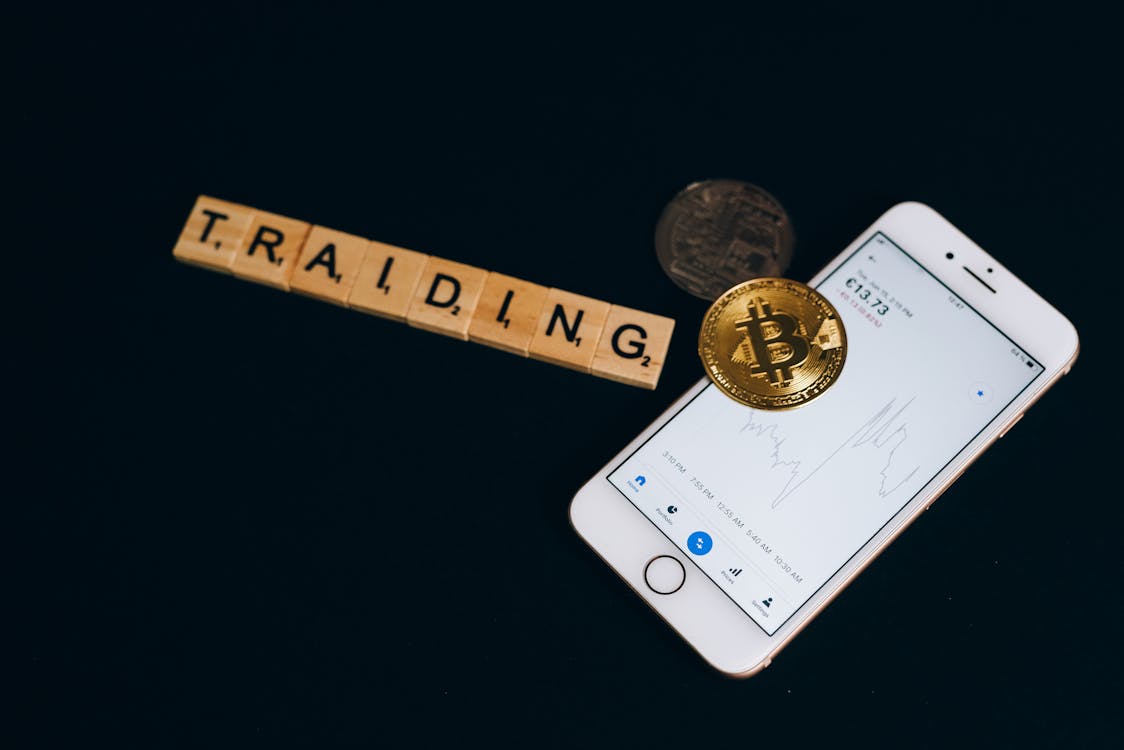
After setting up your wallet, you can place an order to buy Bitcoin. You can choose to buy a fraction of a Bitcoin if you’re starting with a small amount.
5. Manage Your Investments
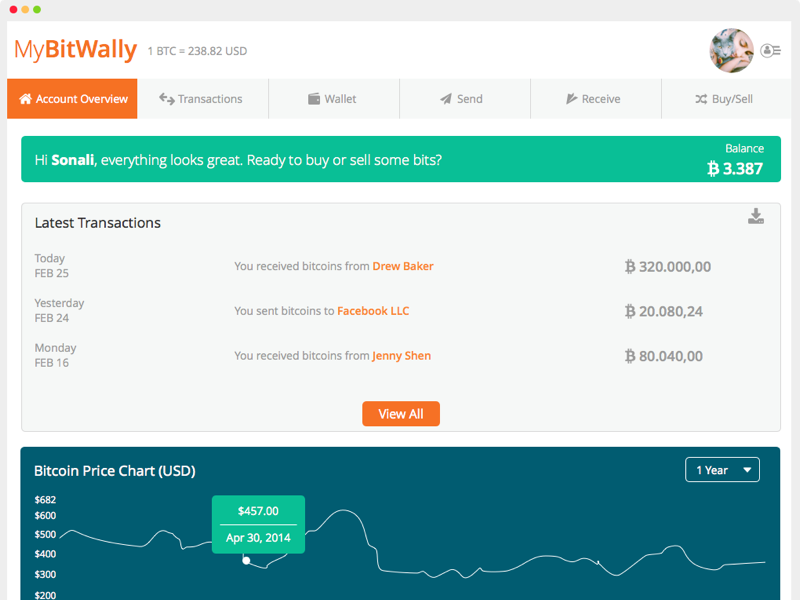
Once you’ve purchased Bitcoin, you can either hold it for the long term or trade it based on market trends. Many investors also use Bitcoin for everyday transactions, though its acceptance is still limited compared to traditional currencies.
Risks of Investing in Bitcoin

While Bitcoin offers exciting opportunities, it’s not without risks. Here are some key considerations:
- Volatility: Bitcoin’s price can fluctuate dramatically in short periods, leading to potential losses.
- Regulatory Uncertainty: Governments may impose restrictions on Bitcoin, affecting its value and usability.
- Security Risks: Exchanges and wallets can be targets for hackers, so it’s essential to choose reputable platforms.
- Market Manipulation: Pump-and-dump schemes and other fraudulent activities can impact Bitcoin’s price.
Strategies for Successful Bitcoin Investment

To maximize your chances of success, consider the following strategies:
1. Diversify Your Portfolio
Don’t put all your money into Bitcoin. Diversifying across different asset classes can help mitigate risk.
2. Start Small
If you’re new to Bitcoin, start with a small investment. This allows you to learn the market without risking large amounts of capital.
3. Long-Term Holding (Hodling)
Some investors believe in holding Bitcoin for the long term, betting on its future value. This strategy requires patience and confidence in Bitcoin’s potential.
4. Short-Term Trading
If you’re comfortable with market fluctuations, you can try trading Bitcoin based on short-term price movements. However, this strategy carries higher risk.
Conclusion
Bitcoin represents a unique opportunity in the investment landscape, offering both potential rewards and significant risks. As with any investment, it’s essential to understand the fundamentals, assess your risk tolerance, and make informed decisions. Whether you’re looking to diversify your portfolio or explore new financial avenues, Bitcoin could be a valuable addition—if approached with caution and knowledge.