
The Ultimate Guide to Car Insurance: What You Need to Know
Car insurance is a critical component of vehicle ownership, providing financial protection in the event of accidents, theft, or other unforeseen incidents. Understanding how car insurance works and what it covers can help you make informed decisions when selecting a policy that suits your needs and budget. In this guide, we’ll explore everything you need to know about car insurance, from the different types of coverage to how to file a claim and save money on premiums.
What Is Car Insurance?
Car insurance is a contractual agreement between a driver and an insurance provider that offers financial protection in case of accidents, theft, or other unexpected vehicle-related incidents. By paying a regular premium, policyholders receive coverage that helps cover repair costs, medical expenses, or liability claims if they’re responsible for damages or injuries.
Without adequate coverage, drivers risk significant out-of-pocket expenses that could strain their finances. Thus, car insurance acts as a critical safeguard, ensuring that unforeseen events don’t lead to overwhelming financial burdens.
How Does Car Insurance Work?

Once you purchase a policy, you will pay a premium, usually monthly or quarterly, for your coverage. If you fail to do so, you may experience a coverage lapse that would leave you without insurance.
Some types of car insurance include a deductible, which is an amount you are required to pay before coverage kicks in. You choose the deductible when you purchase coverage, and it should be an amount you are comfortable paying in the event of a claim. Although liability does not have a deductible, collision and comprehensive do, along with a few other types.
If you are in an accident or other vehicle mishap, you will file a claim with your company. If it is approved, you will receive a payout (or the payout will be made directly to whoever is repairing your vehicle) based on the company’s assessment of your loss, minus any deductible. If your car is totaled, generally the payment will be based on the vehicle’s actual cash value (ACV) rather than its replacement cost.
Types of Car Insurance Coverage
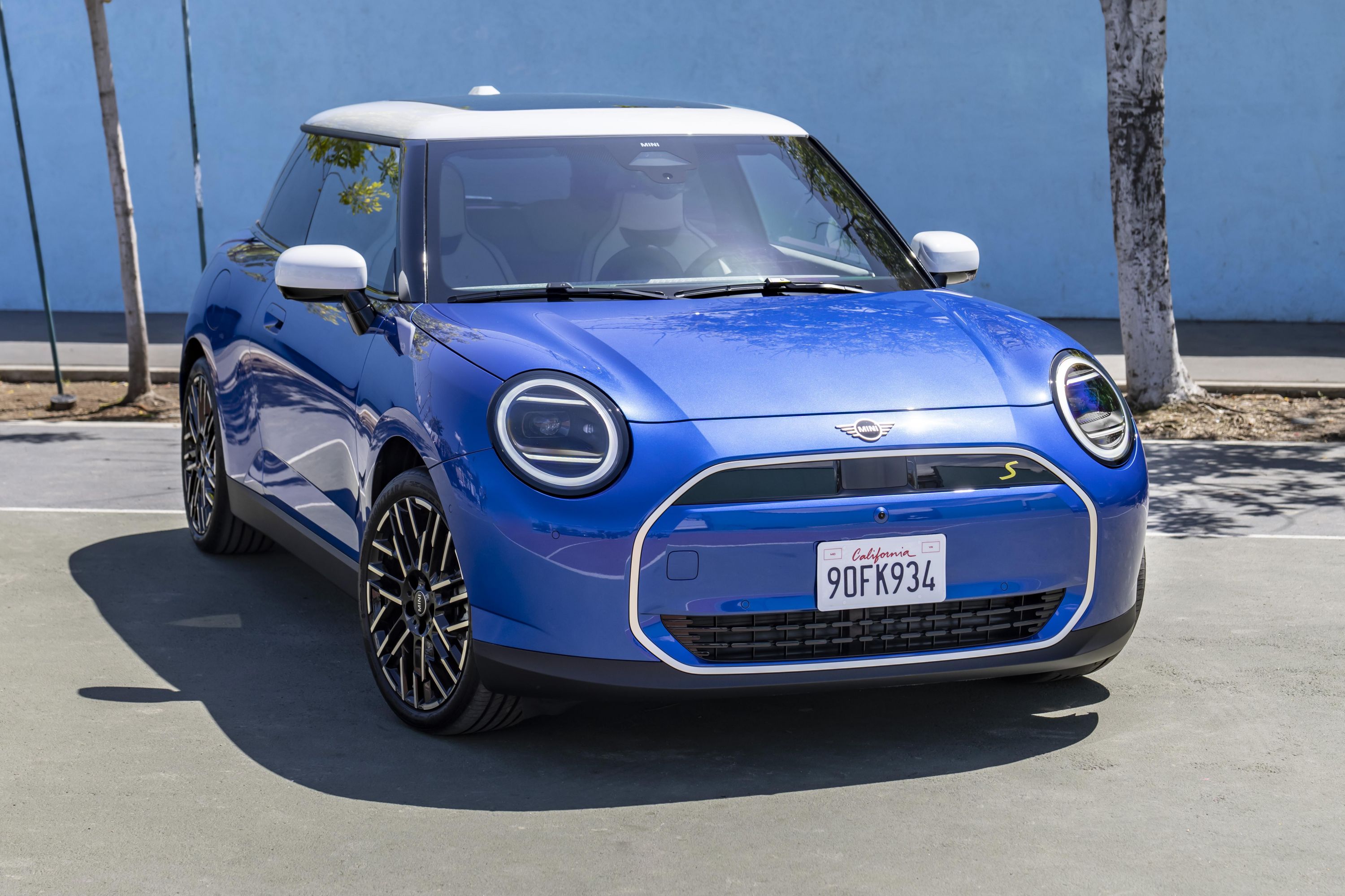
Most states require you to purchase a state-mandated amount of car insurance coverage to drive legally on public roads. That minimum may include liability coverage and nothing more. For more robust coverage, you can add optional types of insurance to your policy for additional coverage.
Here are the most common types of car insurance:
- Bodily Injury Liability (BIL): Pays for medical costs for injuries in the other car if you cause an accident.
- Property Damage Liability (PDL): Pays for damage caused to other people’s property (cars, fences, etc.) in an accident you cause.
- Collision (COLL): Covers damage to your own car in an at-fault accident. Includes a deductible; may be required if you have a car loan or lease.
- Comprehensive (COMP or OTC): Covers damage to your own car from events that are not accident-related, such as fire, theft, hitting an animal, glass damage, or flooding.
- Uninsured and Underinsured Motorist (UM/UIM): Provides coverage if you hit a driver who is not insured, or doesn’t have enough insurance to pay costs.
- Medical Payments (Medpay): Covers injuries in your car, regardless of who’s at fault.
- Personal Injury Protection (PIP): Covers injuries, lost wages, and funeral expenses in your car, regardless of fault.
How Much Car Insurance Do You Need?

Your state is likely to have a minimum amount of required coverage. This generally includes specific amounts for the following types of coverage:
- Bodily injury liability per person
- Bodily injury liability per accident
- Property damage liability per accident
This is often written out like this: 50/100/25, which means $50,000 in bodily injury liability per person, $100,000 of bodily injury per accident, and $25,000 property damage per accident.
With these maximums, however, consider this: the average cost of a new car in the U.S. is more than $49,000. If you caused an accident with a fairly new car and totaled it, your policy would only pay out on the first $25,000, and you would be responsible for anything over this amount.
For that reason, experts often recommend that you purchase more than the minimum. Many recommend a policy including 100/300/100. If you have a loan or lease, you may also need full coverage or other optional types of insurance to fulfill your lease arrangement.
How to File a Car Insurance Claim

If you get in an accident, the process for filing claims is similar across car insurance companies. After an accident, you should:
- Get to safety and call the police: Make sure everyone is in a safe location after the accident and call the police so you can get an official record of what happened.
- Document the damage: Take pictures of the damage, both yours and that of the other party.
- Do not admit fault: Do not admit liability even if you think you may be at fault for the accident.
- Gather the documentation needed to file your claim: Your insurance professional can provide you with this information, but it generally includes a “proof of claim” report and a copy of the police report.
- Contact your insurance company: Call your insurer or use your insurer’s online claim portal or mobile app to file the claim.
How Much Does Car Insurance Cost?

The average cost of car insurance in the U.S. as of August 2025 is $2,679 for full coverage, while minimum coverage insurance averages $808. Your own costs are likely to vary because premiums are highly personalized and unique to each driver and their vehicle.
Insurers use multiple factors to determine your rate, although some factors are limited or banned from being considered in some states. Your location plays a role, with drivers in busy urban areas often paying more for coverage. Age typically matters, as does gender. Your credit-based insurance score could play a role, as well as your car’s age, make, and model. Your driving history is probably the most important indicator of your rate, with good drivers generally earning the lowest premiums.
How to Save on Car Insurance

There are multiple strategies you can use to save money on your car insurance. Start by asking for quotes from some of the best car insurance companies. Here are a few more ways to save:
- Take advantage of all possible discounts: Review your policy annually in case you’ve become eligible for any new ones.
- Pay attention to your driving skills: Insurers often save the best rates for those with no marks on their license. If you have past infractions, consider taking a defensive driving course to brush up on your skills.
- Consider signing up for your company’s telematics program: This could save you as much as 40% off your premium.
- Increase your deductible: This will generally lead to a lower premium, since your insurer won’t be paying as much in the event of a claim.
What Do I Need to Buy Car Insurance?

Buying car insurance isn’t difficult, and if you are new to the process, you may want to ask for help from a knowledgeable licensed insurance agent. They can answer any questions you might have about types and levels of coverage and can guide you to a policy that works for your situation.
In general, you will need to have the following available:
- The basic information (name, address, and possibly Social Security number) for any named drivers on the policy.
- Your driver’s license, as well as the license for any other drivers on the policy.
- The vehicle’s registration.
- Banking information, especially if you are setting up an electronic payment system.
- The car’s vehicle identification number (VIN).
Frequently Asked Questions
What car insurance company has the best coverage types and rates?
It depends. Car insurance companies can use about a dozen factors to calculate your premium, including your location, driving history, and vehicle type. That’s why one of the best ways to find the best company for you is to shop around for free car insurance quotes and compare the options.
Do I need car insurance before buying a vehicle?
While you won’t need an active insurance policy before buying a car, you will likely need to show proof of insurance to complete your purchase and drive off the lot.
How do I cancel my car insurance policy?
Canceling a car insurance policy is usually straightforward, but each company has a different process or requirements to complete this request.
What is accident forgiveness coverage?
Accident forgiveness is optional coverage offered by many insurers that can protect you from an increased rate after your first at-fault accident.
Conclusion

Selecting the right car insurance policy can sometimes feel overwhelming, but it’s an essential step in protecting yourself financially on the road. Every driver has different needs, and finding the right balance between coverage and cost requires a solid understanding of how it all works. By evaluating your personal risks and coverage requirements, you can make smarter decisions that provide both financial security and peace of mind.