The Ultimate Guide to Crowdfunding: How to Raise Funds for Your Project or Business
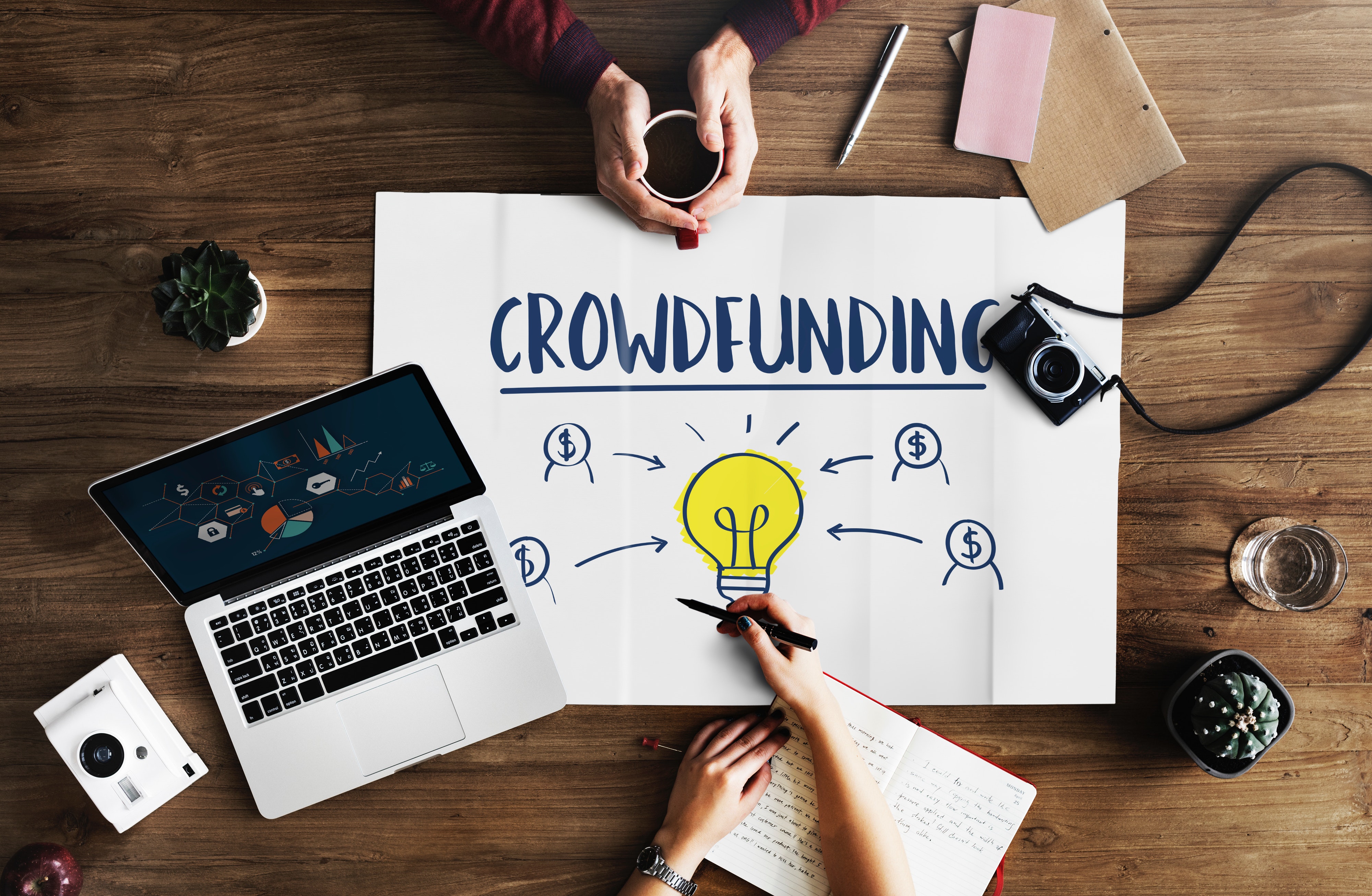
Crowdfunding has become a powerful tool for entrepreneurs, artists, and innovators to bring their ideas to life. By leveraging the collective support of a community, individuals can raise capital without relying on traditional financing methods. Whether you’re launching a new product, funding a creative project, or supporting a social cause, crowdfunding offers a unique opportunity to connect with potential backers and turn your vision into reality.
Understanding the Different Types of Crowdfunding
There are several types of crowdfunding, each with its own structure, benefits, and challenges. Understanding these models can help you choose the right approach for your project or business.
1. Reward-Based Crowdfunding
Reward-based crowdfunding is ideal for creators who want to pre-sell products or offer exclusive perks to supporters. Platforms like Kickstarter and Indiegogo allow you to set funding goals and create tiered rewards that incentivize contributions. For example, early backers might receive discounted products, limited edition items, or VIP access to events.
Key Benefits:
– Market validation through pre-orders
– Community engagement and feedback
– No equity or debt involved
Challenges:
– Fulfilling rewards requires careful planning and logistics
– Managing expectations and communication with backers
2. Equity Crowdfunding
Equity crowdfunding allows investors to purchase shares in a company, making them partial owners. This model is suitable for startups looking to raise significant capital from a wide range of investors. Platforms like SeedInvest and Republic facilitate this process, enabling entrepreneurs to connect with potential shareholders.
Key Benefits:
– Access to a broader pool of investors
– Potential for long-term financial returns
– Building a community of stakeholders
Challenges:
– Navigating complex regulatory requirements
– Maintaining transparency and accountability
3. Donation-Based Crowdfunding

Donation-based crowdfunding is perfect for personal causes, charitable initiatives, or social impact projects. Platforms like GoFundMe and JustGiving enable individuals to share compelling stories and request donations. Unlike other models, donors do not receive any material rewards.
Key Benefits:
– Emotional connection and community support
– Flexibility in fundraising goals
– Tax-deductible donations for nonprofits
Challenges:
– Ensuring transparency and accountability
– Managing donor expectations and communication
4. Debt Crowdfunding (Peer-to-Peer Lending)

Debt crowdfunding, also known as peer-to-peer (P2P) lending, allows borrowers to secure loans directly from individual lenders. Platforms like LendingClub and Prosper connect borrowers with lenders, offering competitive interest rates and streamlined approval processes.
Key Benefits:
– Access to alternative credit sources
– Competitive interest rates
– Diversified investment opportunities for lenders
Challenges:
– Risk of default and loan repayment issues
– Platform fees and interest rate fluctuations
5. Royalty-Based Crowdfunding
Royalty-based crowdfunding is a newer model where backers receive a percentage of future revenues generated by the project. Platforms like Royalty Exchange and Kickfurther allow creators to structure campaigns around revenue-sharing agreements.
Key Benefits:
– Revenue-sharing without diluting ownership
– Predictable income streams for backers
– Flexible funding structures
Challenges:
– Complex financial projections and reporting
– Balancing revenue sharing with project sustainability
Steps to Launch a Successful Crowdfunding Campaign
Whether you’re using reward-based, equity, donation, debt, or royalty-based crowdfunding, the following steps can help you create a compelling and effective campaign:
1. Define Your Goals and Objectives
Start by clearly outlining what you hope to achieve with your campaign. Set realistic funding targets based on your project’s needs and expenses. Consider whether you’re seeking pre-orders, investments, donations, or a combination of these.
2. Craft a Compelling Story
Your campaign’s success depends on how well you communicate your vision. Create a detailed narrative that highlights the problem you’re solving, the value of your solution, and why people should care. Use visuals, videos, and testimonials to enhance engagement.
3. Choose the Right Platform
Select a crowdfunding platform that aligns with your project’s goals and audience. Research platforms like Kickstarter, Indiegogo, SeedInvest, GoFundMe, and LendingClub to determine which one best suits your needs.
4. Build a Strong Team and Network
Assemble a team of supporters, including friends, family, and industry experts. Leverage your existing network to spread the word about your campaign. Engage with online communities, forums, and social media groups relevant to your project.
5. Create an Attractive Rewards Structure
If you’re using reward-based crowdfunding, design a tiered system that offers value at different contribution levels. Include exclusive items, early access, and personalized experiences to encourage higher pledges.
6. Promote Your Campaign
Use social media, email marketing, and content marketing to promote your campaign. Share updates, behind-the-scenes content, and milestones to keep your audience engaged. Collaborate with influencers and media outlets to expand your reach.
7. Maintain Transparency and Communication
Keep your backers informed throughout the campaign. Provide regular updates on progress, challenges, and next steps. Address questions and concerns promptly to build trust and credibility.
8. Fulfill Rewards and Deliver on Promises
Once your campaign is successful, focus on delivering on your promises. Ensure that rewards are produced and shipped on time, and maintain open lines of communication with your backers.
Conclusion
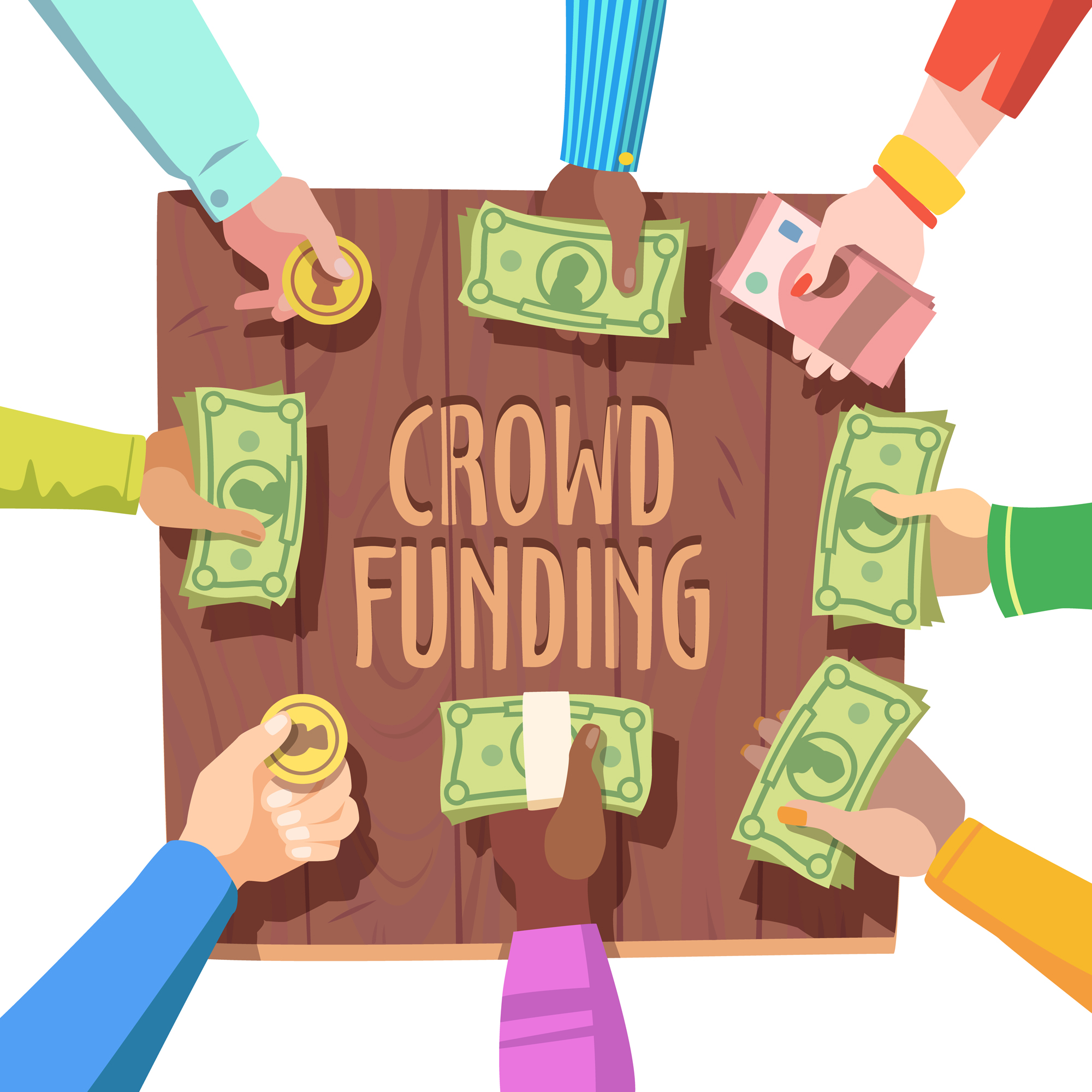
Crowdfunding is a powerful tool that empowers individuals and businesses to raise funds, validate ideas, and build communities. By understanding the different types of crowdfunding and following best practices, you can increase your chances of success. Whether you’re launching a product, supporting a cause, or securing funding for your business, crowdfunding offers a unique opportunity to turn your vision into reality with the support of a global community.