
The Ultimate Guide to Finance Courses: Learn Financial Skills for Success
In today’s fast-paced and competitive job market, financial literacy has become an essential skill for professionals across industries. Whether you’re looking to advance your career in corporate finance, investment banking, or personal wealth management, taking finance courses can equip you with the knowledge and tools needed to succeed. This guide explores the best finance courses available, their benefits, and how they can help you achieve your professional goals.
Why Take Finance Courses?
Finance courses offer a structured approach to learning critical financial concepts such as budgeting, investing, risk management, and financial analysis. These courses are designed for both beginners and experienced professionals, providing a foundation in financial principles that can be applied in various roles. Here are some key reasons why taking finance courses is beneficial:
- Enhance Career Opportunities: Certifications and specialized training can open doors to higher-paying jobs and leadership positions.
- Improve Decision-Making: Understanding financial data helps in making informed business decisions and managing personal finances effectively.
- Stay Updated with Industry Trends: Finance courses often cover the latest developments in financial markets, regulations, and technologies.
- Build Confidence: Gaining expertise in financial matters can boost your confidence in handling complex financial tasks.
Top Finance Certifications and Courses

There are numerous finance certifications and courses available, each tailored to specific career paths. Below are some of the most popular options:
1. Financial Modeling & Valuation Analyst (FMVA®)
The FMVA® certification from the Corporate Finance Institute (CFI) is ideal for those interested in corporate finance, FP&A, and investment banking. It focuses on practical, Excel-based skills in financial modeling and valuation. With 34 self-paced courses, learners develop hands-on skills in financial analysis, forecasting, and budgeting.
Key Features:
– Cost: Starts at $497
– Duration: Typically under 6 months
– Focus: Financial modeling, valuation, and Excel-based skills
2. Chartered Financial Analyst (CFA)

The CFA designation is one of the most respected credentials in the investment industry. It covers a broad range of topics, including quantitative methods, economics, and portfolio management. The program is known for its academic rigor and is ideal for those pursuing careers in asset management and investment research.
Key Features:
– Cost: $2,500–$3,500
– Duration: 3–5 years
– Focus: Investment research, portfolio management, and asset valuation
3. Certified Public Accountant (CPA)

The CPA certification is the gold standard for accounting professionals. It covers financial reporting, auditing, and tax regulations. While traditionally focused on accounting, it is also valued by employers hiring for finance leadership roles.
Key Features:
– Cost: $1,500–$3,000
– Duration: 18 months to 2+ years
– Focus: Accounting, audit, and financial reporting
4. Chartered Alternative Investment Analyst (CAIA)

The CAIA designation is tailored for professionals working with alternative investments such as hedge funds and private equity. It covers the characteristics, valuation, and risk profiles of these asset classes.
Key Features:
– Cost: ~$3,000
– Duration: 12–18 months
– Focus: Alternative investments and risk management
5. Certified Financial Planner (CFP)
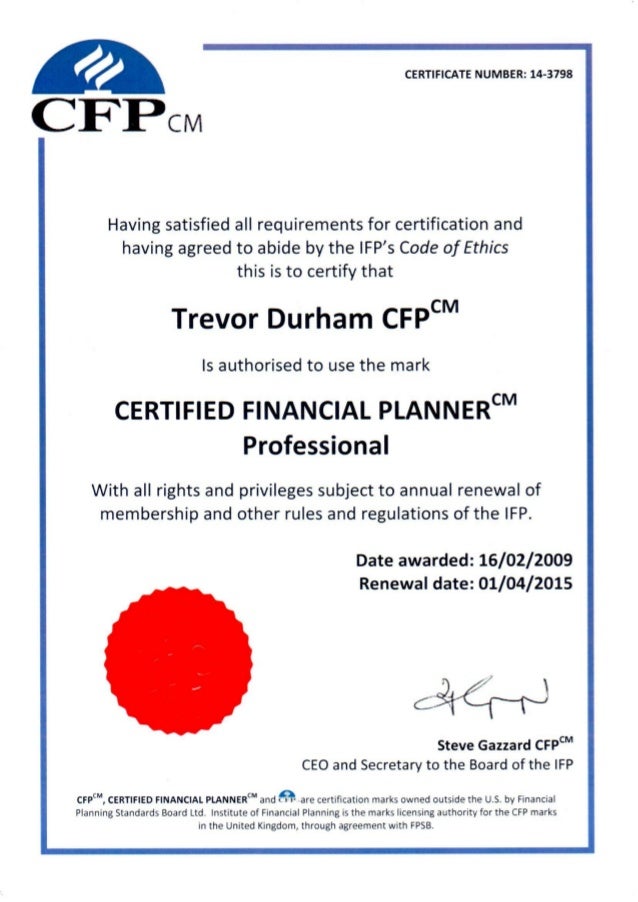
The CFP certification is well-suited for professionals in wealth management and personal finance. It emphasizes financial planning as part of a holistic client strategy, making it ideal for roles in retail banking and private client advisory.
Key Features:
– Cost: ~$2,000
– Duration: 18–24 months
– Focus: Financial planning and wealth management
6. Financial Risk Manager (FRM)

The FRM certification is designed for professionals specializing in risk analysis and risk-related decision-making. It is particularly valuable for those working in credit risk, market risk, and regulatory compliance.
Key Features:
– Cost: ~$1,500
– Duration: 1 year
– Focus: Financial risk management and regulatory compliance
Choosing the Right Finance Course
Selecting the right finance course depends on your career goals, current level of expertise, and the industry you work in. Here are some factors to consider:
- Career Goals: Determine which areas of finance align with your long-term aspirations.
- Skill Level: Choose a course that matches your current knowledge and experience.
- Time Commitment: Consider the duration and flexibility of the course.
- Cost: Evaluate the financial investment required for the course or certification.
Conclusion

Finance courses offer a valuable opportunity to enhance your financial skills and advance your career. Whether you’re interested in corporate finance, investment banking, or personal wealth management, there is a course or certification that suits your needs. By investing in your education, you can gain the knowledge and confidence needed to succeed in today’s dynamic financial landscape.