The Ultimate Guide to Forex Trading: Strategies, Tips, and Essential Knowledge
Forex trading, or foreign exchange trading, is the largest financial market in the world, with daily trading volumes exceeding $7.5 trillion. It involves buying and selling currencies with the goal of profiting from changes in their relative values. While it was once dominated by institutional investors, online forex brokers have made it accessible to individual traders. This guide will cover everything you need to know about forex trading, from the basics to advanced strategies.
What Is the Forex Market?
The foreign exchange (forex) market is where currencies are traded globally. Unlike traditional stock markets, it has no central marketplace. Instead, currency trading occurs electronically over-the-counter (OTC). The forex market operates 24 hours a day, five days a week, starting in the Asia-Pacific region and moving through Europe and North America. This makes it highly dynamic, with price quotes changing constantly.
Key Features of the Forex Market
- Largest and Most Liquid: With daily trading volumes reaching $7.5 trillion, the forex market is the most liquid financial market.
- Global Reach: Currencies trade against each other as exchange rate pairs, such as EUR/USD (euro vs. U.S. dollar).
- No Central Location: There is no physical location for the forex market; it operates via connected trading terminals and computer networks.
How Does the Forex Market Work?
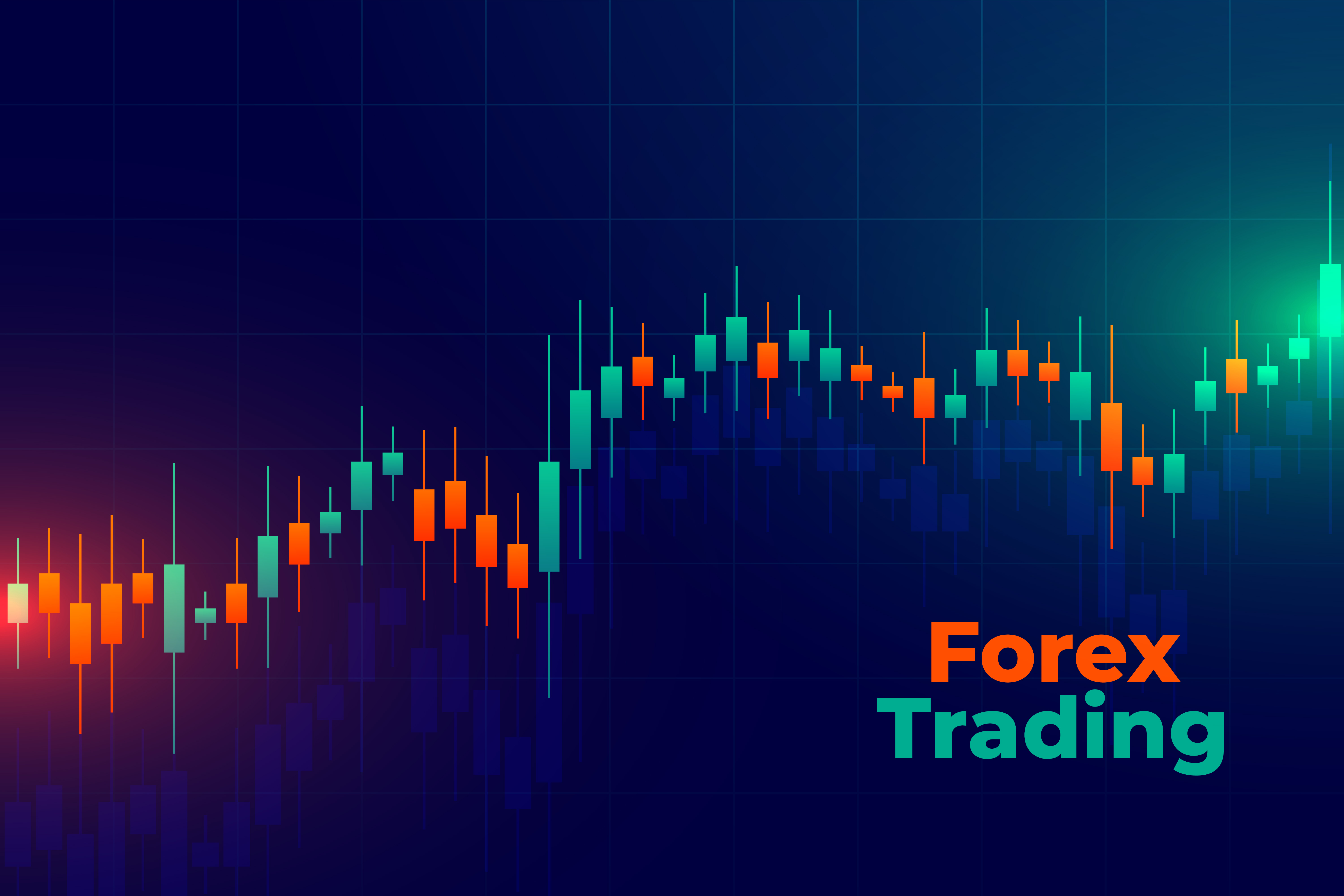
The forex market is one of two 24-hour-a-day trading markets, alongside cryptocurrencies. Traditionally, it was dominated by large banks and institutional investors, but its popularity among retail traders has grown significantly in recent years. However, this accessibility comes with risks, as new traders may be exposed to fraud or overwhelming market terminology.
Types of Forex Markets
- Spot Market: The largest and most common type of forex market, where currencies are bought and sold based on current prices.
- Forwards and Futures Markets: These are used primarily by businesses and financial institutions to hedge against currency risk.
- Options Market: Offers traders the right, but not the obligation, to buy or sell a currency pair at a set price on a specific future date.
What Is Forex Trading?

At its core, forex trading involves predicting and capitalizing on changes in currency values. Traders buy one currency while selling another, aiming to profit from fluctuations in exchange rates. For example, if you believe the euro will strengthen against the U.S. dollar, you might buy euros and sell dollars, then sell the euros later at a higher price.
Key Concepts in Forex Trading
- Currency Pairs: Currencies are traded in pairs, such as EUR/USD or GBP/USD.
- Leverage: Allows traders to control larger positions with a smaller amount of capital, but it also amplifies losses.
- Pips: The smallest unit of measurement in forex trading, typically representing 0.0001 of a currency’s value.
How To Make Money Forex Trading
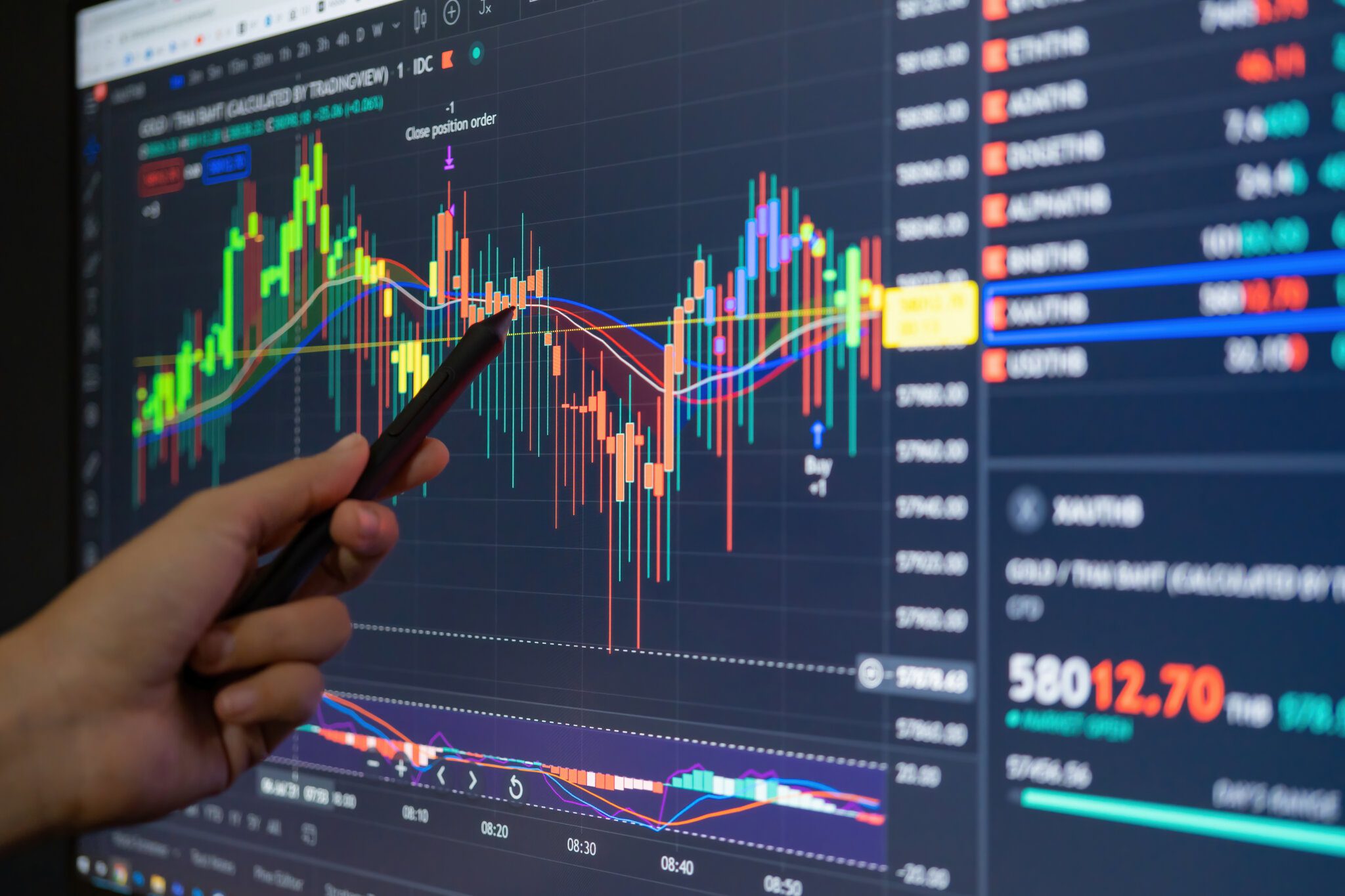
Making money in forex trading requires a combination of strategy, discipline, and risk management. While the potential for profit exists, it’s crucial to understand that forex trading isn’t a get-rich-quick scheme.
Key Strategies for Success
- Start Small: Begin with a mini or micro account to learn without risking significant capital.
- Use Stop-Loss Orders: Automatically close trades at preset levels to limit potential losses.
- Avoid Over-Leveraging: While leverage can amplify profits, it also magnifies losses. Use modest leverage ratios.
- Diversify Currency Pairs: Avoid putting all your capital into a single currency pair.
- Review Your Records: Track all trades, including entry/exit points and reasons for trading decisions.
How To Start Trading Forex

Here’s a step-by-step guide to getting started with forex trading:
Step 1: Learn About Forex
Understand the basics of forex trading, including currency pairs, market patterns, and factors that influence currency prices.
Step 2: Develop a Trading Strategy
Choose a strategy that aligns with your trading style and risk tolerance. Popular strategies include technical analysis, fundamental analysis, and news trading.
Step 3: Create a Trading Plan
Define your goals, risk tolerance, and criteria for assessing trades. A well-structured plan helps maintain discipline.
Step 4: Set Up a Brokerage Account
Select a regulated broker, such as those overseen by the Commodities Futures Trading Commission (CFTC) in the U.S. Ensure the broker offers a user-friendly platform, good customer support, and low fees.
Step 5: Practice with a Demo Account
Many platforms offer demo accounts to practice trading without risking real money. This is an excellent way to test strategies and gain confidence.
Step 6: Start Slowly
Once comfortable with practice trading, begin with small amounts of real money. Gradually increase your trading size as you gain experience.
Why Forex Is Hard to Trade

Forex trading is challenging due to several factors:
Market Volatility and Speed
Currency markets can move dramatically in seconds due to economic reports, geopolitical events, or central bank announcements. For example, when the Swiss National Bank removed its currency cap in 2015, the Swiss franc surged 30% against the euro in minutes.
Leverage Amplifies Losses and Gains
Forex brokers often offer high leverage, sometimes up to 50:1 or higher. While this allows for larger positions with smaller capital, it also increases the risk of significant losses.
Market Complexity
Many factors affect currency prices simultaneously, including interest rates, economic indicators, political events, and market sentiment. Understanding how these factors interact requires significant knowledge and constant monitoring.
Psychological Challenges
Forex trading can be emotionally taxing. Common pitfalls include overtrading, holding losing positions too long, and making impulsive decisions based on fear or greed.
Types of Forex Accounts
There are four types of forex lots:
– Nano Lots: 100 currency units
– Micro Lots: 1,000 units
– Mini Lots: 10,000 units
– Standard Lots: 100,000 units
Choosing the right lot size depends on your trading strategy and risk tolerance.
Pros and Cons of Trading Forex
Pros
- Largest Market: The forex market has the highest daily trading volume globally.
- 24-Hour Trading: The market operates 24 hours a day, five days a week.
- High Liquidity: Easy to enter and exit positions in major currencies.
- Low Initial Capital: Requires much less initial capital than other forms of trading.
Cons
- Leverage Can Amplify Losses: High leverage increases the risk of catastrophic losses.
- Requires Economic Understanding: Traders need to understand economic fundamentals and macro factors.
- Less Regulated: Forex markets are decentralized, and regulation varies by jurisdiction.
Basic Forex Trading Strategies
There are four main types of trading strategies:
– Scalp Trades: Positions held for seconds or minutes, with limited profits.
– Day Trades: Positions held and liquidated on the same day.
– Swing Trades: Positions held for days or weeks.
– Position Trades: Positions held for months or even years.
Traders can also use technical analysis strategies, such as breakouts and moving averages, to fine-tune their approach.
Conclusion
Forex trading offers exciting opportunities for individual investors, but it also comes with significant risks. Success in forex trading requires a solid understanding of the market, disciplined strategy, and effective risk management. By following the steps outlined in this guide and continuously learning, you can improve your chances of becoming a successful forex trader.