The Ultimate Guide to Personal Finance Software: Top Tools for Managing Your Money
Managing your personal finances can be a daunting task, especially with the complexity of modern financial systems. Fortunately, personal finance software has emerged as a powerful tool to help individuals track their spending, manage their savings, and plan for the future. With so many options available, it’s essential to understand which tools best suit your needs. In this guide, we’ll explore the top personal finance software solutions, highlighting their key features, benefits, and ideal use cases.
Why Use Personal Finance Software?
Personal finance software offers a centralized platform to monitor all aspects of your financial life. From tracking daily expenses to managing investments, these tools provide a comprehensive overview that helps you make informed decisions. Whether you’re looking to reduce debt, save for a major purchase, or simply gain better control over your money, the right software can streamline the process and make financial management more accessible.
Key Features to Look For
- Budgeting Tools: Help you allocate funds and track spending.
- Bill Management: Keep track of recurring payments and due dates.
- Investment Tracking: Monitor the performance of your investment portfolio.
- Debt Management: Provide strategies to pay off debts efficiently.
- Reporting and Analytics: Generate detailed reports on your financial health.
Top Personal Finance Software
1. Quicken
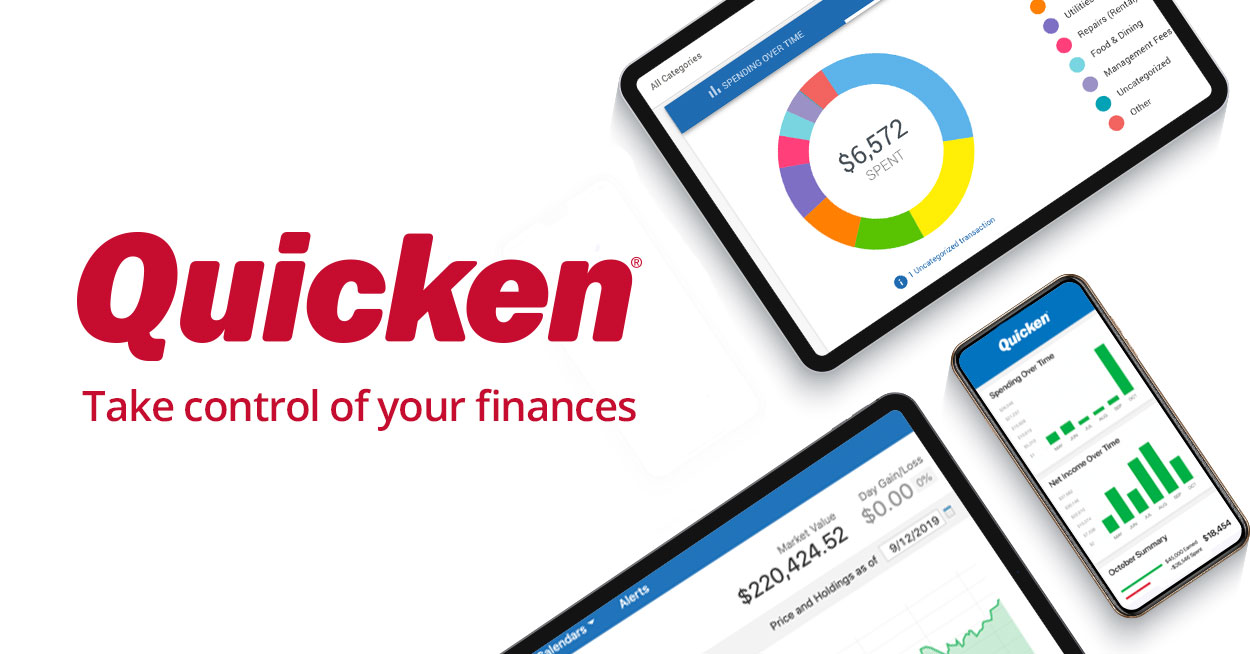
Quicken is one of the most comprehensive personal finance tools available. It allows users to track income, expenses, and investments in one place. With its robust reporting features, Quicken provides insights into your financial habits and helps you identify areas for improvement. The software also supports integration with banks and credit card companies, making it easy to sync your accounts.
Key Features:
– Budgeting and bill tracking
– Investment monitoring
– Debt management tools
– Secure online backup
Best For: Individuals who need a well-rounded financial management solution.
2. YNAB (You Need A Budget)
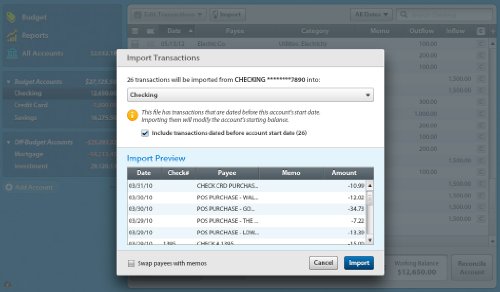
YNAB is designed for those who want to take control of their spending. Its zero-based budgeting approach ensures that every dollar has a purpose, helping users avoid overspending. YNAB also offers educational resources and a 34-day free trial, making it an excellent choice for beginners.
Key Features:
– Zero-based budgeting
– Debt payoff planning
– Educational resources
– Customizable categories
Best For: People looking to build a disciplined budgeting habit.
3. Monarch
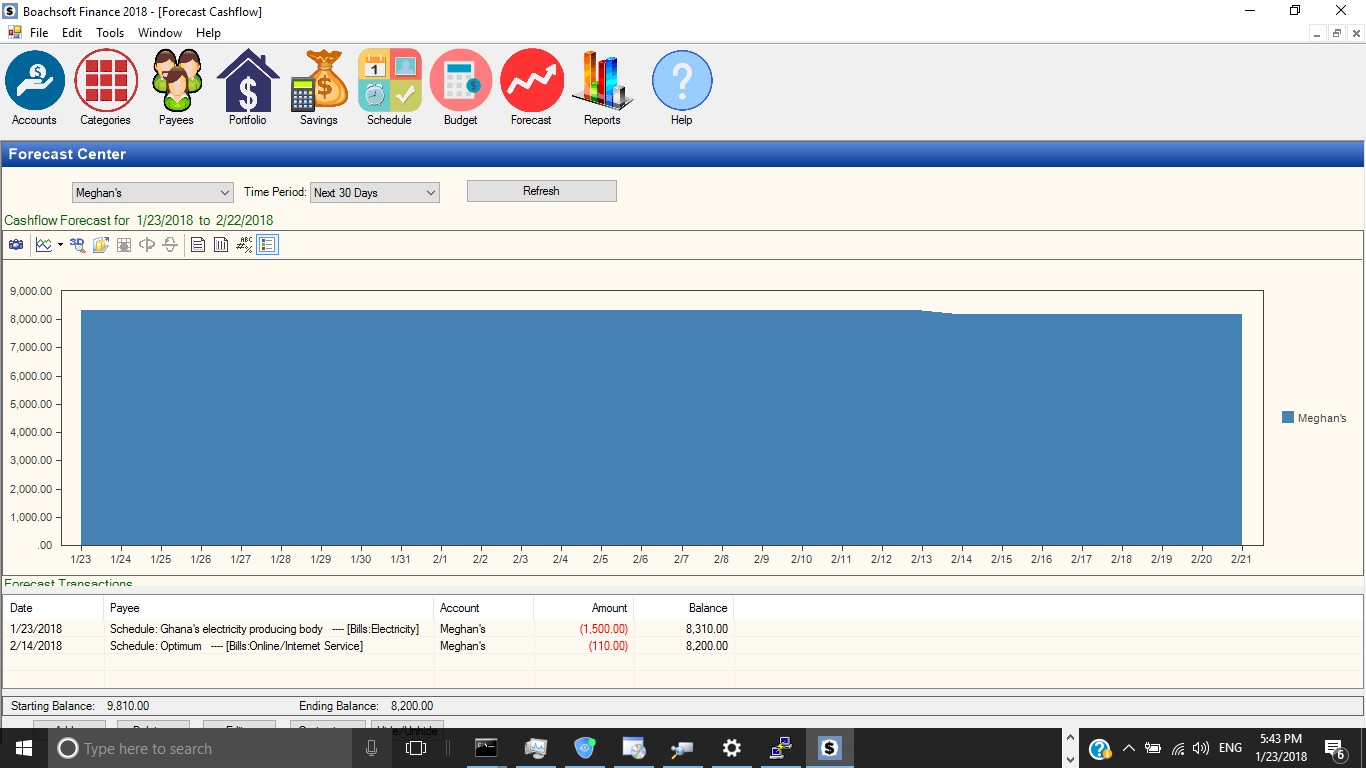
Monarch is ideal for users who require advanced financial tracking capabilities. It offers a sleek interface and powerful tools for managing complex financial situations. While it comes at a higher cost, its versatility makes it suitable for those with intricate financial needs.
Key Features:
– Advanced budgeting tools
– Multiple currency support
– Comprehensive reporting
– Customizable alerts
Best For: Users with complex financial portfolios.
4. NerdWallet

NerdWallet is a free personal finance tool that provides access to credit scores and financial advice. It helps users track their spending, set financial goals, and make informed decisions about their money. While it may not offer the same level of customization as paid tools, it’s an excellent starting point for those new to financial management.
Key Features:
– Credit score tracking
– Financial advice
– Budgeting tools
– Free to use
Best For: Beginners seeking a simple, no-cost solution.
5. Rocket Money

Rocket Money is a budgeting app that focuses on simplifying financial management. It offers features such as automated savings, bill tracking, and debt payoff planning. With a free version and a premium option, Rocket Money caters to a wide range of users.
Key Features:
– Automated savings
– Bill negotiation services
– Debt payoff planning
– Free and paid versions
Best For: Users looking for an easy-to-use budgeting solution.
Choosing the Right Tool for You

Selecting the right personal finance software depends on your specific needs and financial goals. Consider the following factors when making your decision:
- Ease of Use: Choose a tool that aligns with your comfort level and technical skills.
- Features: Ensure the software offers the tools necessary to meet your financial objectives.
- Cost: Evaluate whether the features justify the price, especially if you’re on a budget.
- Integration: Check if the software integrates with your existing bank accounts and other financial tools.
Tips for Effective Use
- Set Realistic Goals: Create achievable financial targets to stay motivated.
- Review Regularly: Consistently review your budget and adjust as needed.
- Use Alerts: Enable notifications to stay informed about your financial status.
- Stay Organized: Keep your financial data up-to-date and easily accessible.
Conclusion

Personal finance software is an invaluable resource for anyone looking to take control of their financial future. By leveraging the right tools, you can simplify your financial management, reduce stress, and work towards achieving your financial goals. Whether you’re a beginner or an experienced investor, there’s a solution out there that fits your needs. Explore the options discussed in this guide and find the perfect fit for your financial journey.