The Ultimate Guide to Understanding Personal Finance
Personal finance is a crucial aspect of life that affects every individual, regardless of their income level or financial goals. It involves managing your money effectively to achieve financial stability and long-term security. Whether you’re just starting out or looking to improve your current financial situation, understanding personal finance can empower you to make informed decisions and take control of your financial future.
Why Personal Finance Matters
Personal finance is more than just keeping track of your expenses. It’s about making smart choices that impact your credit score, debt levels, and overall financial well-being. Without proper financial management, it’s easy to fall into the trap of living paycheck to paycheck, accumulating unnecessary debt, and missing out on opportunities for growth.
Good financial habits help you build a solid foundation for your future, whether you’re saving for retirement, planning for a major purchase, or simply trying to avoid financial stress. By developing a clear understanding of your income, expenses, and savings, you can create a roadmap that guides you toward financial success.
Key Strategies for Managing Your Money
1. Create a Budget
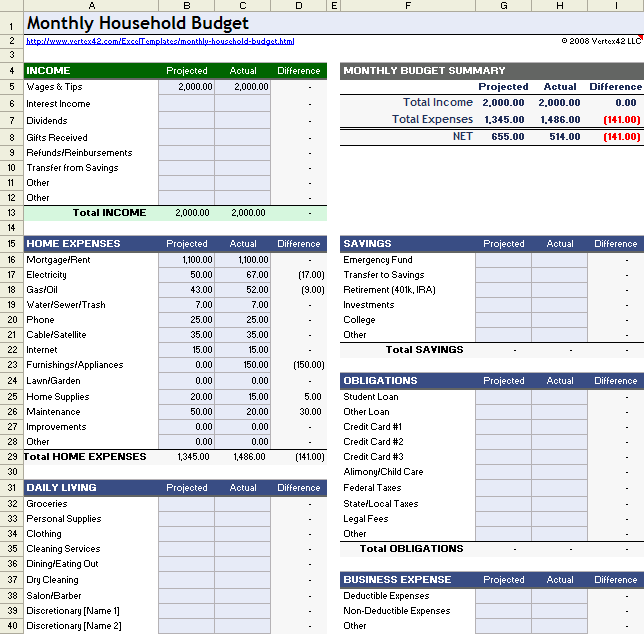
A budget is one of the most effective tools for managing your finances. It allows you to track your income and expenses, ensuring that you’re spending within your means. Start by listing all your monthly income sources, such as your salary, side gigs, or any other earnings. Then, categorize your expenses into essentials (like rent, utilities, and groceries) and non-essentials (such as dining out or entertainment).
Use a budgeting app or spreadsheet to keep track of your spending and adjust your budget as needed. Remember, a budget is not meant to restrict your spending but to help you make intentional choices that align with your financial goals.
2. Track Your Spending

Tracking your spending is essential for identifying areas where you might be overspending. Small purchases add up over time, and without awareness, it’s easy to lose control of your finances. Keep receipts, use a spending journal, or utilize digital tools to monitor your expenses. Categorizing your spending helps you see where your money is going and where you can cut back.
3. Limit Unbudgeted Spending

One of the biggest challenges in personal finance is resisting the urge to spend on unplanned items. To avoid this, set aside a specific amount for discretionary spending each month. This allows you to enjoy small indulgences without compromising your financial goals. Be mindful of your limits and avoid impulse purchases that could derail your budget.
4. Save for Emergencies

An emergency fund is a critical component of personal finance. It provides a safety net for unexpected expenses, such as car repairs, medical bills, or job loss. Aim to save at least three to six months’ worth of essential living expenses in a high-yield savings account. Automating your savings ensures that you consistently build this financial cushion.
5. Pay Off Debt Strategically

Debt can be a significant obstacle to financial freedom. To manage debt effectively, prioritize paying off high-interest debts first, such as credit card balances. Consider strategies like the debt snowball or debt avalanche method to pay down your debts efficiently. Avoid taking on new debt unless it’s necessary, and always assess whether you can afford a new payment before committing to it.
6. Invest for the Future

Investing is a powerful way to grow your wealth over time. Start by building an emergency fund, then consider investing in low-cost index funds, retirement accounts, or other investment vehicles. The key is to start early and remain consistent, allowing compound growth to work in your favor. Take advantage of tax-advantaged accounts like 401(k)s, IRAs, or HSAs to maximize your returns.
7. Protect Your Finances

Insurance is an important part of personal finance that helps protect your assets and income. Ensure you have adequate health, auto, home, and life insurance coverage to safeguard against unexpected events. Review your policies regularly and update them as needed to reflect changes in your life circumstances.
8. Develop a Positive Money Mindset

Financial success is not just about numbers; it’s also about mindset. Cultivate a positive attitude towards money by setting realistic goals, staying motivated, and learning from your experiences. Surround yourself with resources like personal finance blogs, podcasts, or books that inspire and educate you. Having a support system, whether it’s a friend, family member, or financial coach, can also help you stay on track.
Conclusion
Understanding personal finance is a journey that requires patience, discipline, and continuous learning. By implementing these strategies, you can take control of your financial future and build a secure foundation for long-term success. Remember, the key to financial well-being is consistency, intentionality, and a commitment to making informed decisions. Start today, and watch your financial goals become a reality.