
Top Credit Card Comparison Guide for 2024: Find the Best Card for Your Needs
Credit cards are a powerful financial tool that can help you build credit, earn rewards, and manage your spending. However, with so many options available, it can be overwhelming to choose the right one. A credit card comparison is essential to find the card that best suits your financial goals and lifestyle. This guide will walk you through the key factors to consider when comparing credit cards and help you make an informed decision.
Why Compare Credit Cards?
Every individual has unique financial needs, and what works for one person may not work for another. For example, someone who travels frequently might benefit from a travel rewards card, while someone who pays their balance in full each month might prefer a card with no annual fee. By comparing credit cards, you can:
- Identify the best rewards and benefits for your spending habits.
- Understand the impact of annual fees, interest rates, and other charges.
- Ensure the card aligns with your credit score and financial goals.
Key Factors to Consider When Comparing Credit Cards

1. Credit Score Requirements
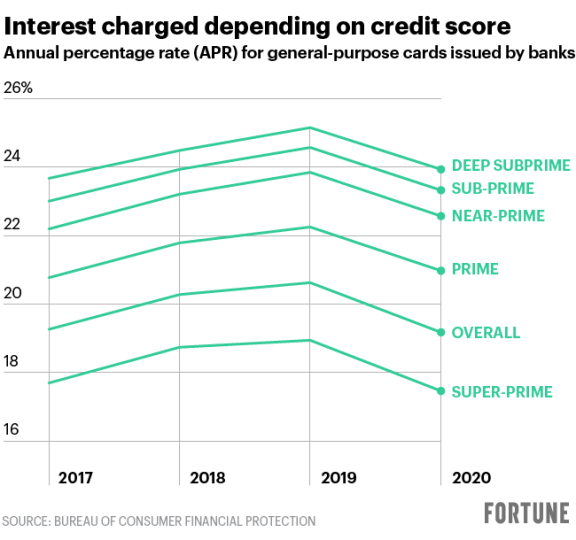
Your credit score plays a significant role in determining which credit cards you qualify for. Most cards have minimum credit score requirements, and higher scores often unlock better offers. Before applying, check your credit score to understand which cards you’re likely to qualify for. You can get free access to your credit score through services like NerdWallet or by checking with the major credit bureaus (Experian, Equifax, and TransUnion).
2. Card Type

There are several types of credit cards, each designed for different needs:
– Rewards Cards: Offer points, miles, or cash back on purchases.
– Balance Transfer Cards: Help you pay off existing debt at a lower interest rate.
– Low Interest Cards: Ideal for those who carry a balance from month to month.
– No Annual Fee Cards: Great for those who want to avoid extra costs.
– Travel Cards: Provide perks like airline miles, travel insurance, and lounge access.
3. Annual Fee
Annual fees can vary widely, from $0 to over $500. While some cards charge a fee, they often come with valuable rewards or benefits. The key is to determine whether the value of the card outweighs the cost. For example, a $95 annual fee might be worth it if the card offers substantial rewards or exclusive perks.
4. Rewards Rate

The rewards rate is a critical factor for anyone looking to maximize their spending. Some cards offer a flat rate on all purchases, while others provide higher rewards in specific categories (e.g., dining, groceries, gas). Be sure to evaluate both the base rate and any bonus categories to see which card aligns with your spending habits.
5. Bonus Offers
Many credit cards offer sign-up bonuses to attract new applicants. These can include cash, points, or miles. When evaluating these offers, consider:
– Value of the bonus: How much is it worth in dollars?
– Spending requirements: Can you meet the minimum spending threshold within the promotional period?
6. Introductory APR
If you’re carrying a balance, the introductory APR (Annual Percentage Rate) can save you money. Many cards offer 0% APR for a set period on purchases and balance transfers. Be sure to understand how long the introductory rate lasts and what happens after it expires.
7. Ongoing APR

If you plan to carry a balance, the ongoing APR is crucial. It’s the regular interest rate applied to your purchases once the introductory period ends. Lower APRs are generally better, but they often come with higher credit score requirements.
8. Additional Perks and Benefits

Beyond rewards and interest rates, many cards offer additional perks such as:
– Travel insurance
– Purchase protection
– Extended warranties
– Complimentary airport lounge access
These benefits can add significant value, especially if you travel frequently or make large purchases.
How to Use a Credit Card Comparison Tool

Most credit card comparison tools allow you to compare multiple cards side by side. Here’s how to use them effectively:
- Identify your priorities: Determine what features matter most to you (e.g., rewards, low fees, travel benefits).
- Filter by criteria: Narrow down your options based on your credit score, spending habits, and financial goals.
- Compare features: Look at annual fees, rewards rates, APRs, and bonus offers.
- Read reviews: Check customer feedback to understand real-world experiences with each card.
Tips for Choosing the Right Credit Card

- Know your spending habits: Choose a card that rewards your everyday purchases.
- Consider your credit score: Apply for cards that match your credit profile.
- Evaluate the long-term value: Don’t just focus on the sign-up bonus—look at the overall value of the card.
- Avoid unnecessary fees: If you don’t need the perks, opt for a card with no annual fee.
Conclusion
A credit card comparison is an essential step in finding the card that best fits your financial needs. By considering factors like credit score requirements, rewards, fees, and additional benefits, you can make an informed decision that helps you achieve your financial goals. Whether you’re looking to build credit, earn rewards, or manage debt, there’s a credit card out there for you. Take the time to compare your options and choose the one that offers the best value for your lifestyle.