
Top Credit Card Offers: Find the Best Deals in 2024
Credit cards have become an essential tool for managing personal finances, offering a range of benefits from rewards and cashback to travel perks and convenience. With so many options available, it’s crucial to understand how to choose the right credit card that aligns with your financial goals and spending habits. This article explores the latest credit card offers, helping you navigate the landscape to find the best deals in 2024.
Understanding Credit Card Rewards
Rewards credit cards allow users to earn points, miles, or cashback on every purchase. These rewards can be redeemed for various benefits such as free flights, hotel stays, shopping vouchers, or even cash. The key to maximizing these rewards lies in understanding the different types of rewards and how they work.
- Cash Back: This is the most straightforward reward system, where you earn a percentage of your spending back. For example, a card might offer 1.5% cash back on all purchases or higher rates on specific categories like groceries or gas.
- Points and Miles: These systems allow you to accumulate points or miles that can be redeemed for travel, merchandise, or other rewards. The value of these rewards can vary significantly based on the program.
- Travel Perks: Many travel rewards cards offer additional benefits such as airport lounge access, travel insurance, and priority boarding.
Key Features to Consider When Comparing Credit Cards
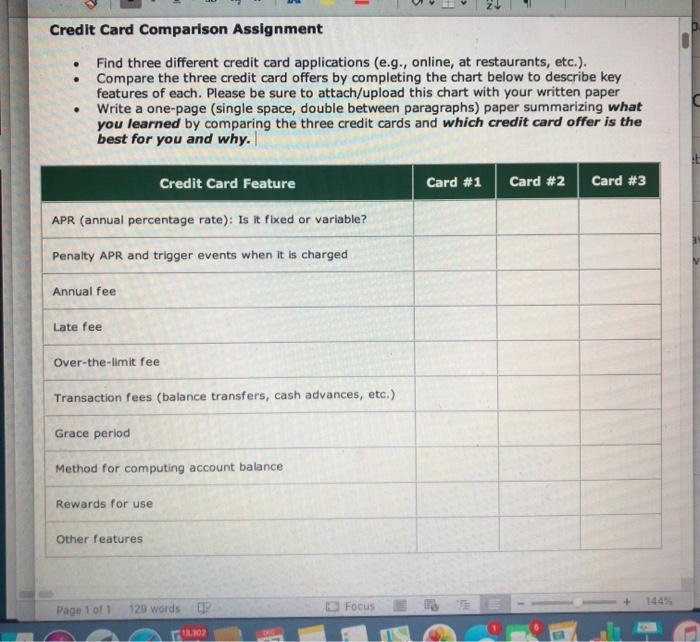
When comparing credit cards, it’s essential to evaluate several key features to determine which card suits your needs best:
- Annual Fee: Some cards charge an annual fee, while others do not. The fee should be justified by the rewards and benefits offered. For instance, a card with a $95 annual fee might provide significant travel perks that outweigh the cost.
- Rewards Rate: Look at the base rewards rate and any bonus categories. A card with a flat 1.5% cash back might be suitable for everyday spending, while a card with 3X points on dining could be ideal for frequent diners.
- Introductory APR: Many cards offer a 0% introductory APR on purchases or balance transfers. This can be beneficial if you plan to pay off a balance quickly.
- Ongoing APR: If you anticipate carrying a balance, the ongoing APR is crucial. Lower rates are better, but remember that rates can vary based on your credit score.
- Bonus Offers: Sign-up bonuses can provide a substantial amount of value if you meet the spending requirements. However, ensure that the required spending is achievable within the timeframe provided.
Choosing the Right Credit Card for Your Needs

Selecting the right credit card involves assessing your financial habits and goals. Here are some considerations to help you make an informed decision:
- Build Credit: If you’re looking to build or rebuild your credit, consider secured credit cards or cards with no annual fee that report to major credit bureaus.
- Earn Rewards: If you’re a frequent shopper or traveler, look for cards that offer high rewards on your typical spending categories.
- Manage Debt: If you have existing credit card debt, consider a balance transfer card with a low or 0% introductory APR to help pay down your balance.
- Avoid Fees: If you prefer to avoid annual fees, opt for cards that offer valuable rewards without charging an annual fee.
Pros and Cons of Credit Cards
While credit cards offer numerous benefits, they also come with potential drawbacks:
Pros:
– Build Credit History: Responsible use of a credit card can help improve your credit score.
– Earn Rewards: You can earn cashback, points, or miles on everyday purchases.
– Purchase Protection: Many cards offer fraud protection and additional benefits like extended warranties or travel insurance.
– Convenience: Credit cards provide flexibility for online and in-person transactions.
Cons:
– Risk of Debt: Carrying a balance can lead to high-interest charges and damage your credit score.
– Fees and Penalties: Annual fees, late fees, and foreign transaction fees can add up quickly.
– Temptation to Overspend: The ease of borrowing can lead to impulse purchases and financial strain.
How to Apply for a Credit Card

Applying for a credit card involves several steps to ensure you get the best possible offer:
- Check Your Credit Score: Knowing your credit score helps you understand which cards you’re likely to qualify for.
- Match Your Needs: Identify the type of card that aligns with your financial goals and spending habits.
- Prequalify: Some issuers offer prequalification through a soft credit check, allowing you to see your chances of approval without affecting your credit score.
- Apply: Provide necessary information such as income, employment status, and Social Security number.
- Review Approval: If approved, you’ll receive your new card, and you may have immediate access to a virtual card for same-day spending.
Conclusion
Navigating the world of credit card offers can be overwhelming, but with the right approach, you can find a card that meets your financial needs and provides valuable rewards. By understanding the key features, evaluating your spending habits, and considering your financial goals, you can make an informed decision that maximizes the benefits of your credit card. Whether you’re looking to build credit, earn rewards, or manage debt, there’s a credit card offer out there that’s perfect for you.