Understand, Control, And Optimize Your CI/CD Costs The Smarter Way
In the fast-paced world of software development, continuous integration and continuous delivery (CI/CD) have become essential components of the modern development lifecycle. These practices enable DevOps teams to automate the build, test, and deployment processes, reducing manual effort and minimizing errors. However, as the complexity of these pipelines increases, so does the need for effective cost management. Understanding, controlling, and optimizing CI/CD costs is crucial for maintaining efficiency and ensuring that resources are used wisely.
What Are CI/CD Tools?
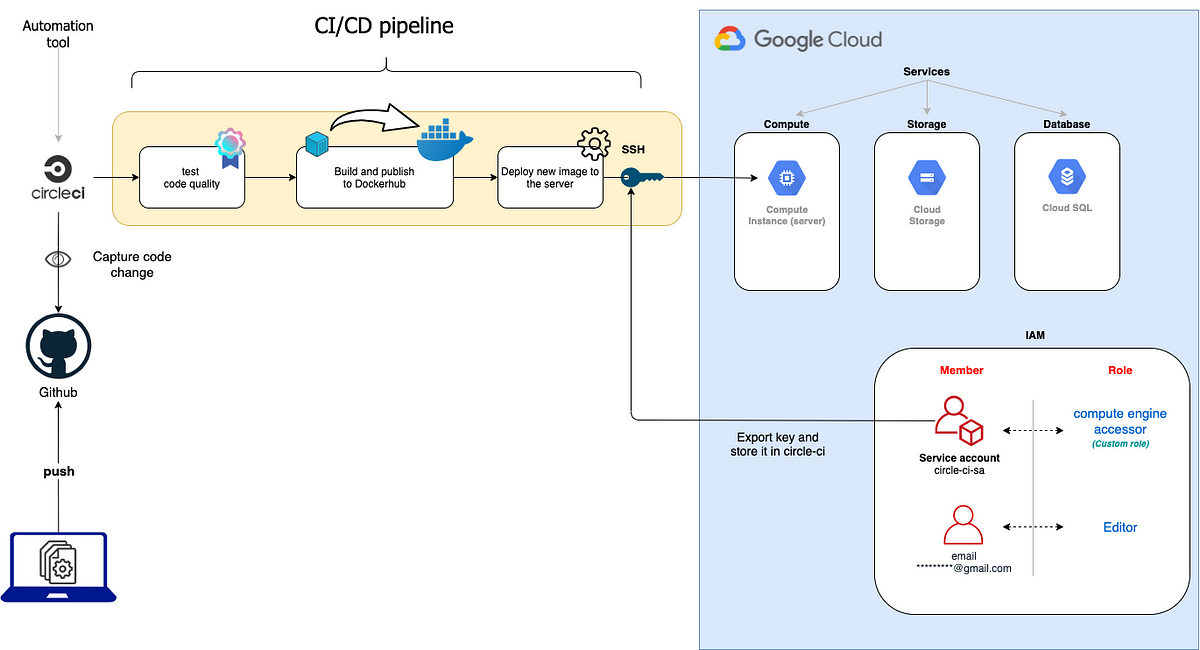
CI/CD tools are software solutions designed to automate the continuous integration and continuous delivery/deployment phases of the software development lifecycle. These tools help streamline the process of merging code changes, building, testing, and deploying applications. By automating repetitive tasks, CI/CD tools not only save time but also enhance the reliability and security of the software being developed.
Key Features of CI/CD Tools
- Automated Builds: CI/CD tools automatically trigger builds whenever code changes are committed, ensuring that the latest version of the application is always ready for testing.
- Testing Automation: These tools can run automated tests to validate code changes, helping catch bugs early in the development cycle.
- Deployment Automation: Once the code passes all tests, CI/CD tools can automatically deploy the application to various environments, such as staging or production.
- Integration with Version Control Systems: Most CI/CD tools integrate seamlessly with version control systems like GitHub, GitLab, and Bitbucket, allowing developers to manage their code repositories efficiently.
Why Are CI/CD So Important?
The importance of CI/CD tools cannot be overstated. They play a vital role in modern software development by enabling teams to deliver high-quality software faster and more reliably. Here are some key reasons why CI/CD is essential:
Benefits of CI/CD Tools
- Faster Time-to-Market: By automating the build and deployment processes, CI/CD tools significantly reduce the time it takes to release new features and updates.
- Improved Collaboration: CI/CD tools facilitate collaboration among team members by providing a centralized platform for managing code changes and deployments.
- Enhanced Security: Automated testing and deployment processes help identify and address security vulnerabilities early, reducing the risk of breaches.
- Cost Efficiency: By minimizing manual intervention and reducing the likelihood of errors, CI/CD tools can lower overall development and maintenance costs.
End-To-End CI/CD Tools
There are numerous CI/CD tools available, each offering unique features and capabilities. Here are some of the top end-to-end CI/CD tools that can help streamline your development pipeline:
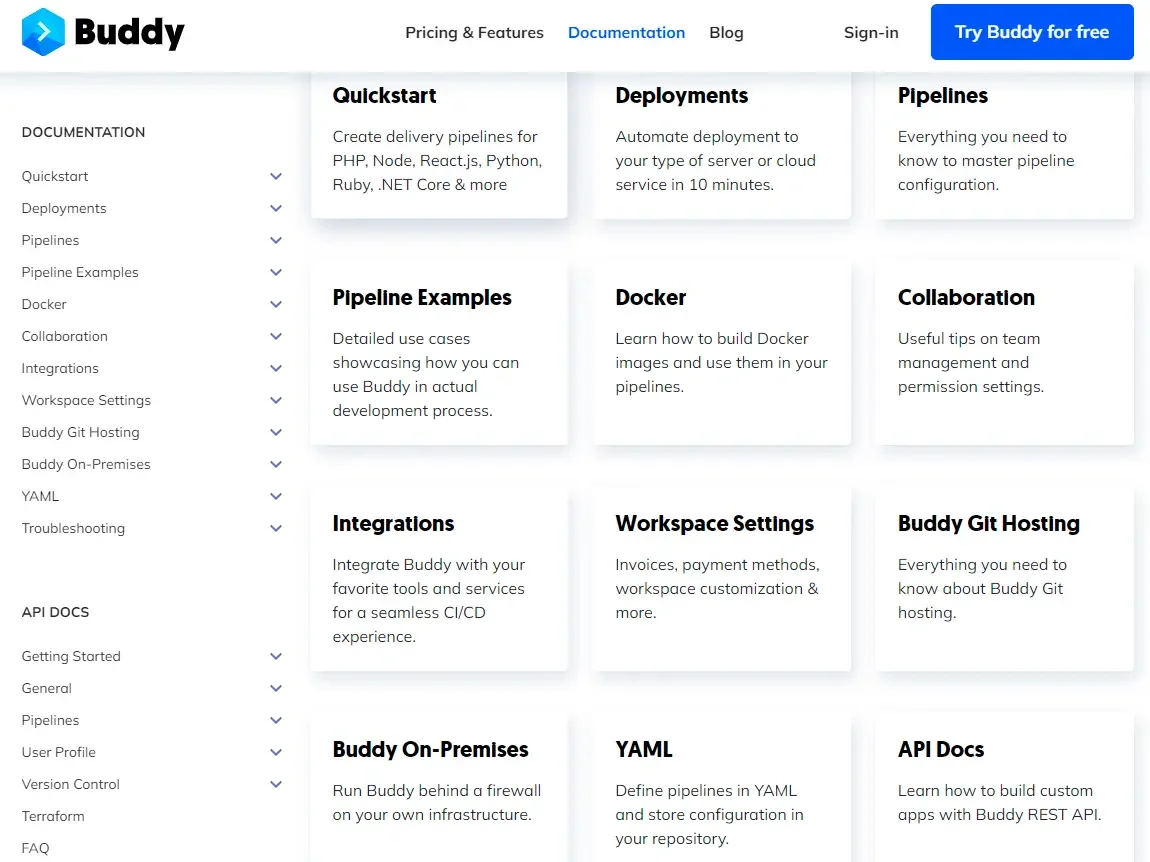
1. Buddy
Buddy is a powerful CI/CD tool that enables engineers to build and manage complex pipelines quickly. It supports direct deployment access to public repositories like GitHub and offers features such as smart change detection, advanced caching, and reusable environments.
2. Jenkins
Jenkins is a free and open-source automation server that has been widely used in the DevOps community. It supports a vast array of plugins, making it highly customizable for different project needs. Jenkins is known for its user-friendly interface and robust community support.
3. CircleCI
CircleCI is a cloud-based CI/CD tool that allows developers to build, test, and deploy software at scale. It integrates seamlessly with popular version control systems and offers features like automated parallelization and custom commands for package uploading.
4. Codemagic CI/CD
Codemagic is specifically designed for mobile app development, offering automated build, test, and deployment processes for both native and cross-platform apps. It supports a wide range of platforms, including iOS, Android, and Flutter.
5. Bamboo Data Center
Bamboo Data Center combines automated builds, tests, and releases into a single workflow. It integrates with various tools to create efficient pipelines and provides detailed reports and notifications for better visibility.
Cloud Cost Management Tools
As the use of cloud services continues to grow, managing cloud costs becomes increasingly important. Cloud cost management tools help organizations monitor, analyze, and optimize their cloud spending. Here are some of the best cloud cost management tools:
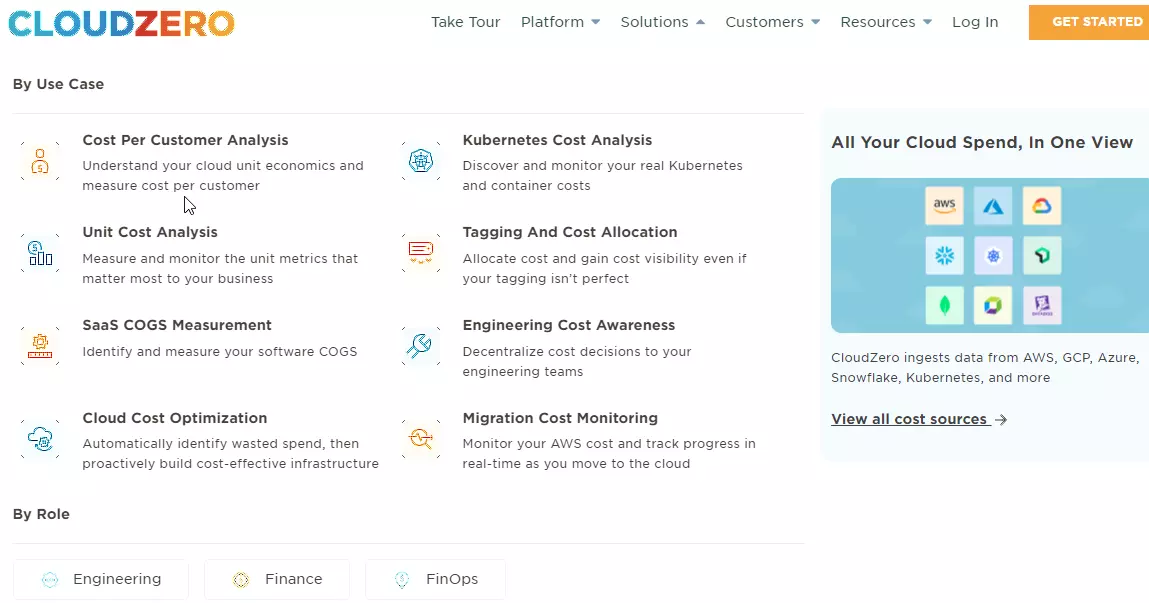
1. CloudZero
CloudZero provides cloud cost intelligence for engineering, FinOps, and finance teams. It helps map cloud costs to specific products, features, and teams, enabling more accurate budgeting and cost allocation.
2. AWS Cost Explorer
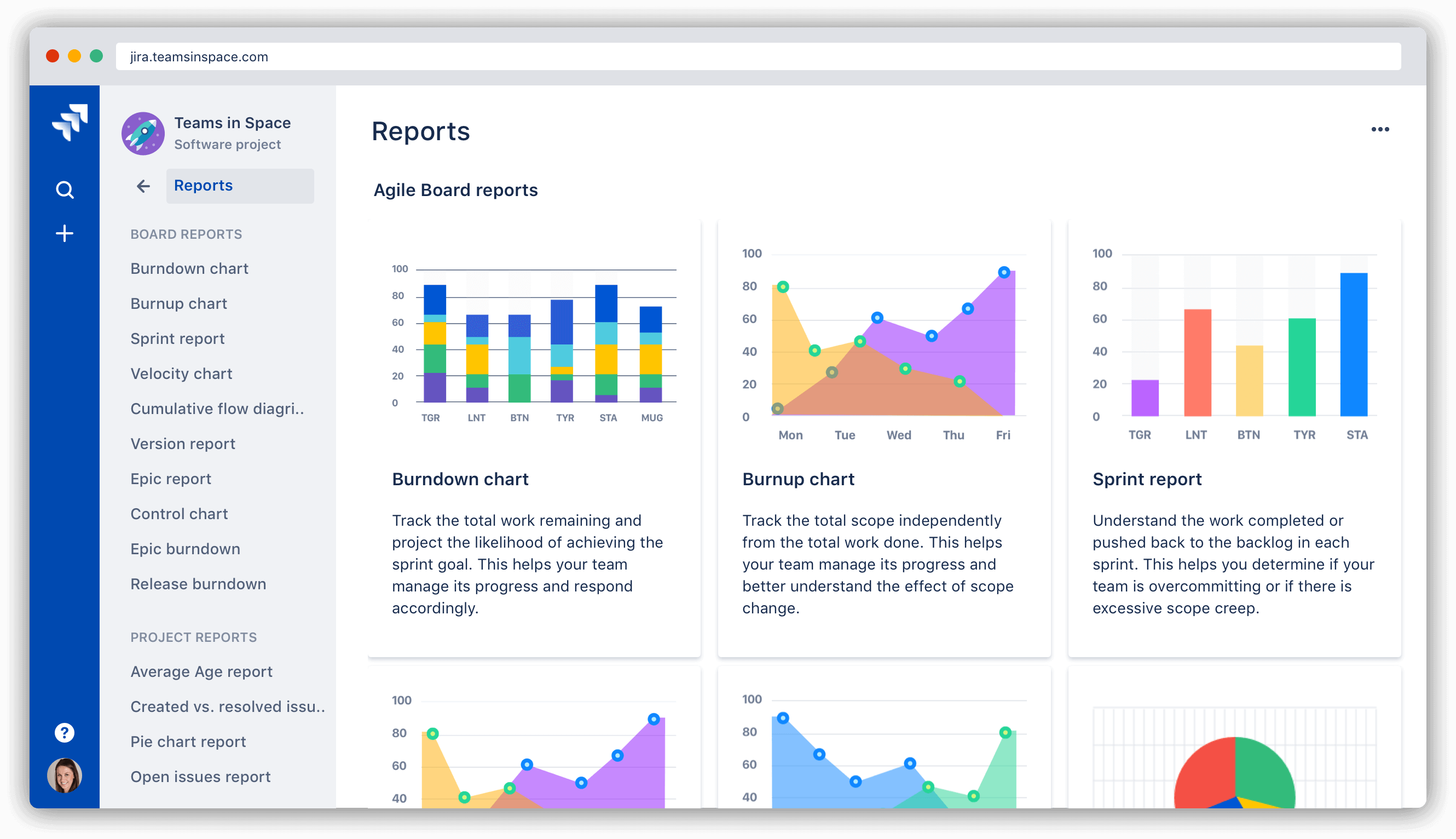
AWS Cost Explorer is a powerful tool for visualizing and analyzing AWS costs. It allows users to sort and group their figures by usage type and tag, providing insights into cost trends and potential savings.
3. Xosphere
Xosphere helps AWS customers optimize the costs associated with their CI/CD activities by automatically switching workloads from On-Demand instances to Spot instances when they are available at a reasonable price.
DevOps Collaboration And Agile Project Management Tools
Effective collaboration and project management are essential for successful CI/CD workflows. Here are some of the top DevOps collaboration and agile project management tools:
1. Jira
Jira is a developer-centric Agile project development platform that allows DevOps teams to plan, track, and report on their CI/CD activities. It offers ready-to-use templates for Kanban, Scrum, and bug-tracking workflows.
2. Asana
Asana is a task management service that helps teams coordinate and synchronize their work. It offers various views, including lists, boards, and timelines, making it easy to organize and prioritize tasks.
3. Trello
Trello is a visually appealing, easy-to-use software lifecycle management tool that uses cards and boards to represent tasks and projects. It is ideal for teams looking for a simple and intuitive way to manage their workflows.
Software Build And Configuration Management Tools
Configuration management tools automate the discovery, documentation, and tracking of changes in software, hardware, and devices. Here are some of the top tools in this category:
1. Terraform
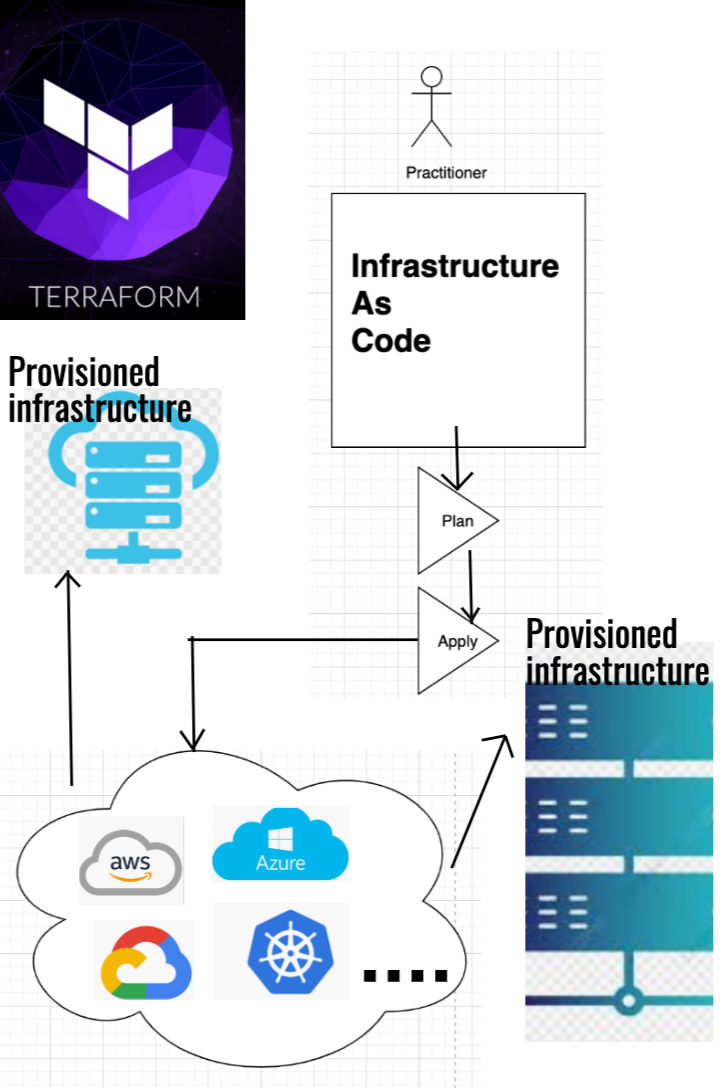
Terraform is an Infrastructure-as-code (IaC) solution that enables users to configure and define data center infrastructure through HashiCorp’s custom configuration language or JSON. It is compatible with a wide range of cloud providers, including Azure, VMware, and AWS.
2. Ansible

Ansible is an automation platform used for configuration management and continuous deployments. It allows users to keep their configurations consistent across all platforms, whether their software is hosted on a physical server, cloud, virtual machine, or container.
3. Docker
Docker is a virtualization tool that allows enterprises to create cross-platform applications. It uses virtual containers that can be run on Linux, Windows, Mac OS, public, and private cloud. Docker’s SaaS offering includes three components: software, objects, and registries.
Cloud/IaaS Tools
Cloud/IaaS tools are essential for hosting and managing software applications. Here are some of the top cloud/IaaS tools:
1. Amazon Web Services (AWS)
AWS is a leading cloud service provider that offers over 240 cloud services and products. It provides a wide range of tools for CI/CD teams, including EC2, RDS, and SageMaker.
2. Google Cloud Platform (GCP)

GCP is another major cloud service provider that offers more than 100 cloud products and services under one roof. It includes several tools for CI/CD teams, such as Cloud Build, Cloud Deploy, and Cloud Code.
Kubernetes CI/CD Tools
Kubernetes CI/CD tools automate deployment and application management using a declarative approach. Here are some of the top tools in this category:
1. Argo CD
Argo CD is a Kubernetes-native GitOps tool that syncs the desired application state from Git to the cluster. It ensures each deployment is auditable and aligned with Git for smoother management.
2. Flux CD
Flux CD is an open-source platform that follows GitOps principles for Kubernetes deployments. It monitors Git for configuration changes and applies them to keep clusters current.
DevOps Testing Software
DevOps testing software enables CI/CD teams to perform continuous testing more efficiently. Here are some of the top tools in this category:
1. Katalon
Katalon is a testing automation platform that delivers consistent, continuous, and scalable testing in one platform. It supports testing on virtually any operating system, browser, and device and integrates with Jira out-of-the-box.
2. WebApp.io
WebApp.io is a full-stack development testing tool that uses memory snapshotting technology for fast and efficient testing. It creates automated demo environments to help review changes and weed out bugs.
Conclusion
In conclusion, understanding, controlling, and optimizing CI/CD costs is essential for maintaining efficiency and ensuring that resources are used wisely. The right CI/CD tools can streamline the development process, improve collaboration, and enhance security. By leveraging cloud cost management tools, DevOps collaboration and agile project management tools, and software build and configuration management tools, organizations can achieve greater efficiency and cost savings. As the landscape of CI/CD continues to evolve, staying informed about the latest tools and trends will be crucial for success.