
Understanding Bonds: A Comprehensive Guide for UK Investors
Bonds are a fundamental part of the financial landscape, offering investors a way to lend money to entities such as governments, municipalities, and corporations in exchange for regular interest payments and the return of principal at maturity. For UK investors, understanding how bonds work is essential for building a diversified investment portfolio. This article explores the basics of bonds, their types, risks, and benefits, while providing insights into how they can be a valuable addition to your financial strategy.
What Are Bonds?
A bond is essentially a loan that an investor makes to a borrower, which could be a government, corporation, or municipality. In return for this loan, the borrower agrees to pay back the principal amount (known as the face value) at a specified future date, along with periodic interest payments. These interest payments, often referred to as coupons, are typically fixed and paid semi-annually.
In the UK, bonds are issued by various entities, including the UK government through the Debt Management Office (DMO), local authorities, and private companies. The key features of a bond include its face value, coupon rate, and maturity date. The coupon rate determines the annual interest payment, while the maturity date marks when the principal will be repaid.
How Do Bonds Work?

When you purchase a bond, you are effectively becoming a creditor to the issuer. The issuer uses the funds raised from the sale of bonds to finance projects, operations, or other financial needs. For example, the UK government might issue bonds to fund infrastructure projects like road construction or healthcare initiatives.
The process of buying and selling bonds is facilitated through brokerage platforms, where investors can access a wide range of bond options. Bonds are traded in secondary markets, allowing investors to buy or sell them before they reach maturity. This liquidity is a significant advantage, as it enables investors to adjust their portfolios based on changing market conditions.
Types of Bonds Available in the UK

There are several types of bonds available to UK investors, each with its own characteristics and risk profiles:
-
Government Bonds: These are considered the safest type of bonds, as they are backed by the full faith and credit of the UK government. Examples include gilts, which are issued by the DMO. Gilts are often used as a benchmark for other debt instruments.
-
Corporate Bonds: Issued by companies to raise capital, corporate bonds offer higher yields compared to government bonds but come with greater risk. They can be further categorized into investment-grade and high-yield (junk) bonds.
-
Municipal Bonds: These are issued by local authorities and are typically tax-exempt for UK residents. They are used to fund public projects such as schools, hospitals, and roads.
-
Convertible Bonds: These bonds give investors the option to convert their debt into equity under certain conditions. They offer a hybrid of debt and equity investment.
-
Zero-Coupon Bonds: These bonds do not pay periodic interest but are sold at a discount to their face value. The investor receives the full face value at maturity.
Benefits and Risks of Investing in Bonds
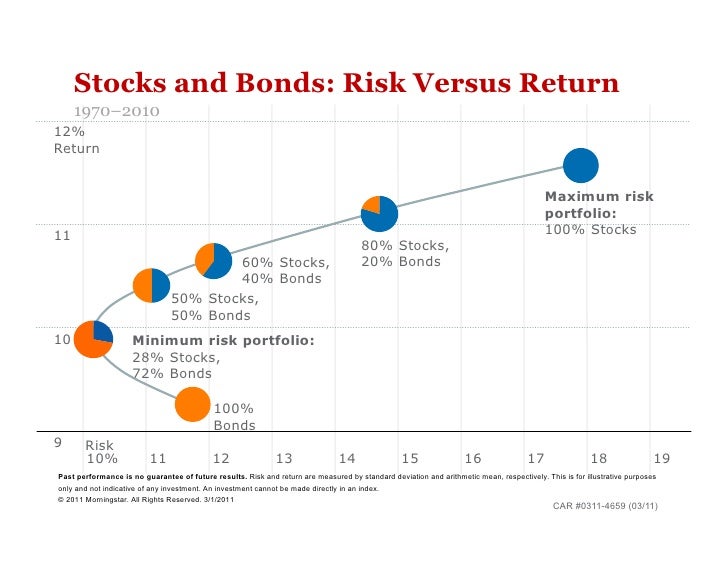
Investing in bonds offers several advantages, including:
- Predictable Income: Bonds provide regular interest payments, making them ideal for income-focused investors.
- Capital Preservation: If held to maturity, investors are assured of receiving the principal amount.
- Diversification: Bonds can help reduce the overall risk of a portfolio by offsetting the volatility of equities.
However, there are also risks associated with bond investments:
- Credit Risk: The possibility that the issuer may default on interest or principal payments.
- Interest Rate Risk: Bond prices move inversely with interest rates. When rates rise, bond prices fall, and vice versa.
- Inflation Risk: Inflation can erode the purchasing power of fixed interest payments.
- Liquidity Risk: Some bonds may be difficult to sell quickly without a price concession.
How to Invest in Bonds in the UK

Investing in bonds in the UK can be done through various channels:
- Brokerage Platforms: Most online brokers offer access to a wide range of bonds, including government and corporate issues.
- Direct Purchase: Investors can purchase UK government bonds directly through the DMO’s website.
- Bond Funds: Mutual funds and exchange-traded funds (ETFs) that invest in a diversified portfolio of bonds can be a convenient option for those seeking professional management.
It is important to research and understand the specific terms and conditions of any bond before investing. Additionally, consulting with a financial advisor can help tailor an investment strategy that aligns with your financial goals.
Conclusion
Bonds play a crucial role in the UK financial system, offering investors a reliable source of income and a means to diversify their portfolios. Whether you are a seasoned investor or just starting out, understanding the different types of bonds, their risks, and benefits is essential for making informed investment decisions. As with any investment, it is important to assess your risk tolerance and financial objectives before allocating funds to bonds. By doing so, you can harness the potential of bonds to build a more secure and balanced financial future.