Understanding Data Warehouses: The Backbone of Business Intelligence
In the modern digital landscape, businesses rely heavily on data to drive decision-making and gain a competitive edge. Centralized storage of knowledge through data warehouses has become a cornerstone of this process. A data warehouse is a system used for reporting and data analysis, serving as a core component of business intelligence. It functions as a central repository of integrated data from disparate sources, optimized for analysis, reporting, and generating insights.
What Is a Data Warehouse?
A data warehouse (DW) or enterprise data warehouse (EDW) is designed to support complex queries and analytical processing. Unlike operational databases, which are optimized for transactional operations, data warehouses are built to handle large volumes of historical data. This allows analysts and managers to extract meaningful patterns and trends that inform strategic decisions.
The architecture of a data warehouse typically involves several key components:
- Source systems: These include operational databases, such as relational databases, that store transactional data.
- Data integration technology: Processes that extract, transform, and load (ETL) data from source systems into the warehouse.
- Storage architectures: Systems that house the data in a structured format.
- Tools and applications: Software that enables users to analyze and report on the data.
- Metadata, data quality, and governance processes: Ensuring data accuracy, consistency, and compliance.
Key Workflows in Building a Data Warehouse
There are two primary workflows for constructing a data warehouse:
- Extract, Transform, Load (ETL): Data is extracted from source systems, transformed to fit the warehouse schema, and then loaded into the warehouse.
- Extract, Load, Transform (ELT): In this approach, data is extracted and loaded directly into the warehouse before being transformed. This method leverages the computational power of the warehouse itself for transformation tasks.
Both methods have their advantages, but ELT is gaining popularity due to its flexibility and scalability, especially in cloud-based environments.
Data Marts: Focused Insights
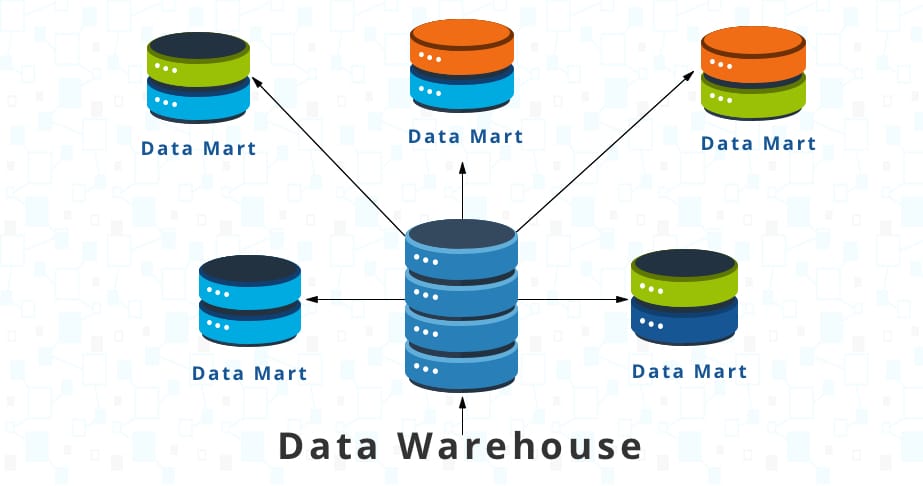
A data mart is a subset of a data warehouse, focused on a specific subject area or department. For example, a sales data mart might include only data related to revenue, customer interactions, and product performance. Data marts are often easier to build and maintain than full-scale data warehouses and are ideal for departments that need quick access to specific information.
Key differences between data warehouses and data marts include:
- Scope: Data warehouses cover the entire enterprise, while data marts focus on a single department or function.
- Complexity: Building a data warehouse is more complex due to the need to integrate multiple data sources.
- Storage: Data warehouses require larger storage capacity compared to data marts.
The Evolution of Data Warehousing
The concept of data warehousing dates back to the late 1980s, when IBM researchers Barry Devlin and Paul Murphy introduced the idea of a “business data warehouse.” Since then, data warehousing has evolved significantly, driven by the increasing volume and variety of data.
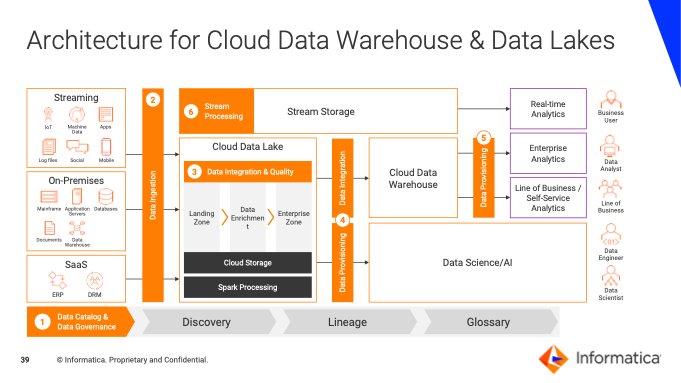
Modern data warehouses are designed to handle near real-time analytics, making them ideal for organizations that require up-to-the-minute insights. However, they are not always the best solution for storing massive amounts of raw, unstructured big data. As data volumes grow, so do the costs and complexities of storage and management.
Alternatives to Traditional Data Warehouses
In response to these challenges, new alternatives have emerged, including:
- Cloud-native data warehouses: These leverage the scalability and flexibility of cloud infrastructure to handle large datasets efficiently.
- Data lakehouses: A hybrid approach that combines the features of data lakes and data warehouses, offering both raw data storage and structured analytics capabilities.
The Role of Data Warehouses in Healthcare
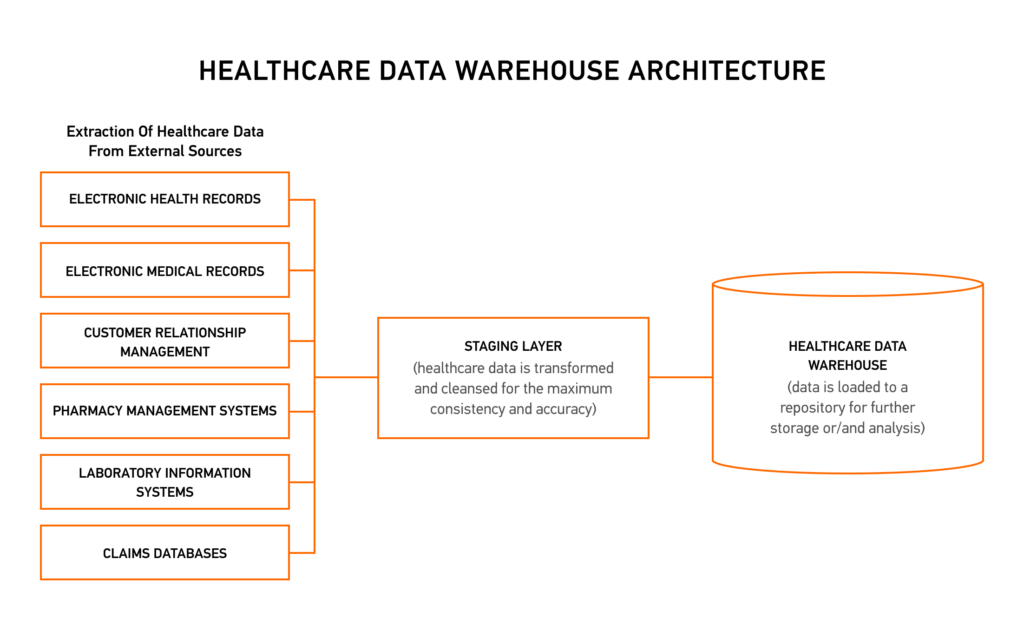
In the healthcare sector, data warehouses play a critical role in integrating, storing, and analyzing clinical, administrative, and operational data. They enable healthcare providers to improve patient outcomes, streamline operations, and comply with regulatory requirements.
Healthcare data warehouses often incorporate specialized models that account for the complexity of medical data, such as longitudinal patient histories and coded terminologies like ICD-10 and SNOMED CT. These systems also ensure compliance with privacy regulations such as HIPAA in the United States.
Benefits of Data Warehouses
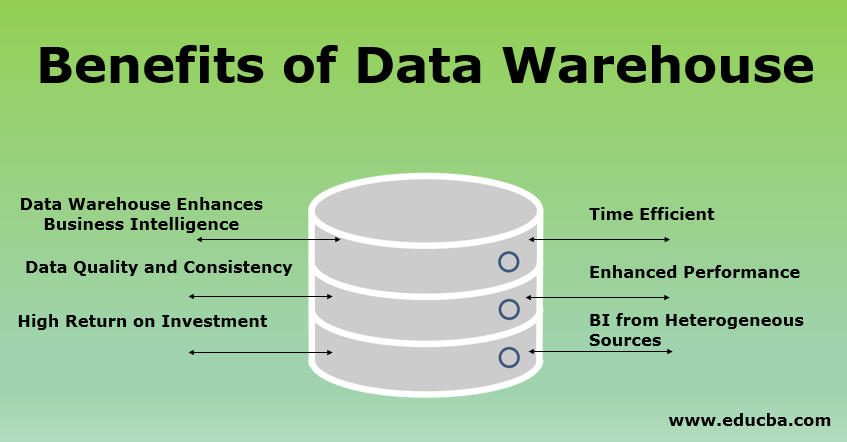
Data warehouses offer numerous benefits, including:
- Integration of data from multiple sources: Breaking down data silos to provide a unified view of the organization.
- Improved data quality: By standardizing data formats and cleansing data before loading it into the warehouse.
- Historical data retention: Allowing organizations to track changes over time and identify trends.
- Enhanced decision-making: Providing analysts with the tools to generate insights and make informed decisions.
Conclusion
Data warehouses are essential tools for modern businesses, enabling them to harness the power of data for strategic decision-making. As data continues to grow in volume and complexity, the role of data warehouses will only become more critical. Whether through traditional architectures or emerging technologies like cloud-native solutions, the goal remains the same: to transform raw data into actionable insights that drive success.