Understanding Debt Counseling in the United Kingdom: A Comprehensive Guide
Debt counseling, known as debt management in the United Kingdom, is a structured process designed to help individuals manage and reduce their debts through financial education, budgeting, and tailored debt management plans (DMPs). This approach aims to provide debtors with practical strategies to regain control of their finances and avoid more severe consequences like bankruptcy. In this article, we explore the role of debt counseling in the UK, its benefits, potential pitfalls, and how it compares to other debt solutions.
What Is Debt Counseling?
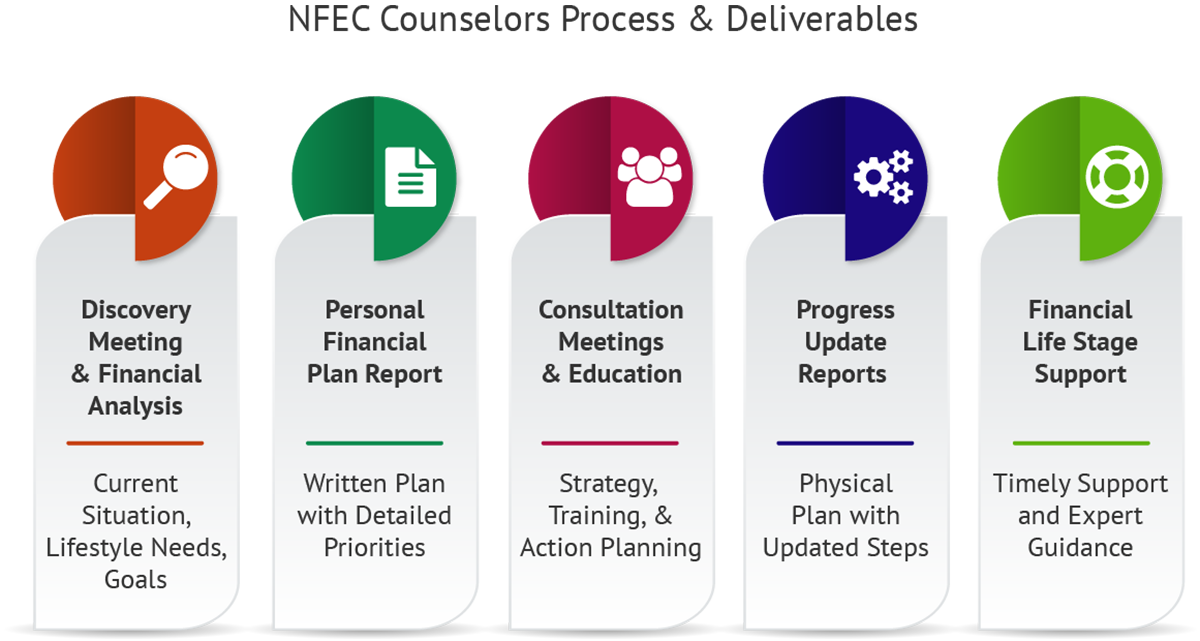
Debt counseling involves working with certified professionals who guide individuals through understanding their financial situations. These counselors assess income, expenses, and debts to create personalized plans that help manage obligations effectively. In the UK, this process is often facilitated by credit counseling agencies (CCAs), which are typically nonprofit organizations offering services such as budgeting advice, debt management plans, and educational resources.
These agencies play a crucial role in helping individuals navigate complex financial challenges. Counselors are trained in areas like consumer credit, money management, and budgeting. They assist clients in developing a realistic plan to repay debts, often involving negotiations with creditors to lower interest rates or waive fees. The goal is to create a sustainable path toward financial stability without resorting to drastic measures like bankruptcy.
How Debt Counseling Works in the UK

In the UK, debt counseling is regulated by the Financial Conduct Authority (FCA), which ensures that agencies adhere to strict standards. The FCA has established a Debt Management Plan Protocol to guide the industry. This protocol outlines best practices for counselors to follow when negotiating with creditors on behalf of their clients.
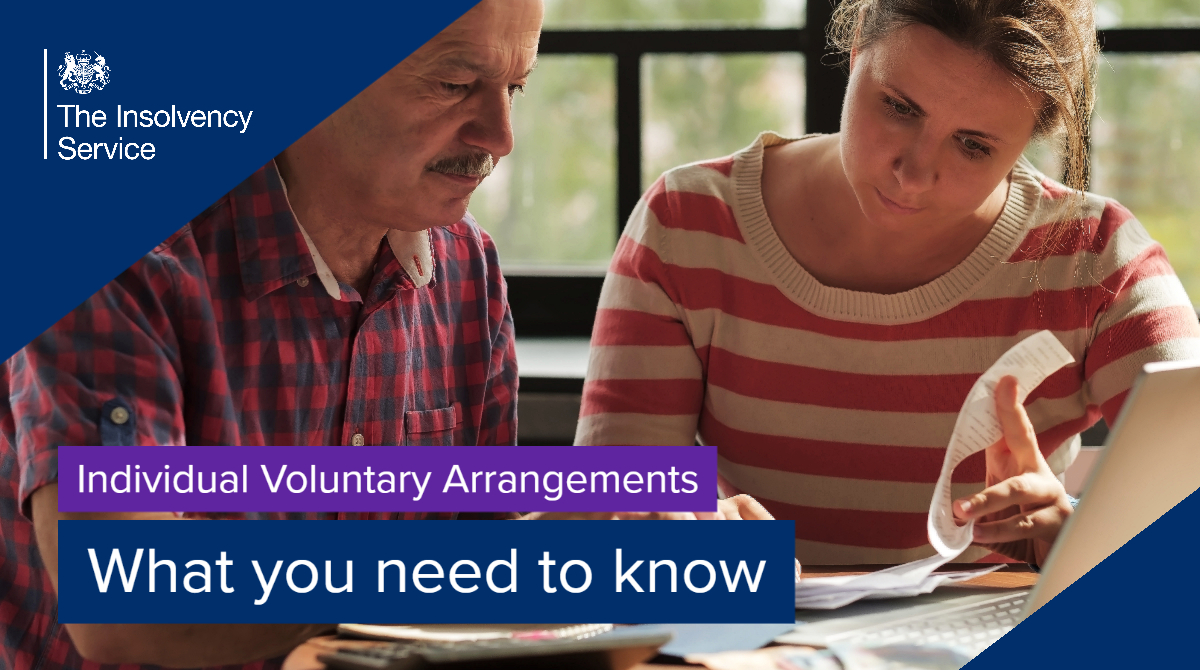
One common strategy used in debt counseling is the Individual Voluntary Arrangement (IVA), which allows individuals to consolidate their debts into a single monthly payment. This arrangement is particularly useful for those with multiple unsecured debts, such as credit card balances or personal loans. The counselor works with creditors to agree on a manageable repayment plan, often reducing the total amount owed over time.
Another approach is the Debt Management Plan (DMP), where clients make a single monthly payment to the counseling agency, which then distributes funds to creditors. This method simplifies debt repayment and can help reduce the burden of multiple payments. However, it’s important to note that DMPs do not eliminate debt; they merely restructure it.
Benefits of Debt Counseling
There are several advantages to seeking debt counseling in the UK. First, it provides access to professional guidance that can help individuals understand their financial situation better. Counselors offer tools and resources to improve budgeting skills, which can lead to long-term financial independence.
Additionally, debt counseling can help prevent the need for bankruptcy. By working with a counselor, individuals can develop a realistic plan to repay their debts, which may be more favorable than declaring bankruptcy. This is especially beneficial for those with significant unsecured debt, as bankruptcy can have long-lasting effects on credit scores and future financial opportunities.
Moreover, debt counseling agencies often provide free educational materials and workshops, making it accessible for individuals across different socioeconomic backgrounds. This support can be invaluable for those who feel overwhelmed by their financial responsibilities.
Potential Pitfalls and Criticisms

Despite its benefits, debt counseling is not without its challenges. One concern is the possibility of encountering unscrupulous agencies that may not operate ethically. Some companies may charge excessive fees or fail to provide adequate support, leaving clients in a worse financial position.
In the UK, the FCA actively monitors the industry to ensure compliance with regulations. However, consumers should remain vigilant and research any agency before engaging their services. It is advisable to seek out accredited organizations that have a proven track record of helping individuals manage their debts effectively.
Another criticism of debt counseling is that it may not be suitable for everyone. For instance, individuals with substantial debt or those facing urgent financial crises may find that debt counseling alone is insufficient. In such cases, alternative solutions like bankruptcy or debt settlement programs may be necessary.
Alternatives to Debt Counseling

While debt counseling can be an effective solution for many, there are other options available depending on individual circumstances. Debt consolidation loans, for example, allow individuals to combine multiple debts into a single loan with a lower interest rate. This can simplify payments and potentially reduce overall interest costs.
The debt snowball method is another popular approach, where individuals focus on paying off smaller debts first to build momentum. This strategy can provide a sense of accomplishment and motivation to continue tackling larger debts.
For those with significant unsecured debt, bankruptcy may be a viable option. However, it is essential to consult with a qualified attorney to understand the implications and determine if it is the best course of action.
Conclusion
Debt counseling in the United Kingdom offers valuable support for individuals struggling with debt. By providing personalized financial guidance and practical strategies, it can help people regain control of their finances and avoid more severe consequences. However, it is crucial to choose reputable agencies and consider alternative solutions based on individual needs.
Ultimately, the key to overcoming debt lies in taking proactive steps, whether through counseling, budgeting, or other methods. With the right approach and support, it is possible to achieve financial stability and move toward a debt-free future.