Understanding Futures Trading: A Complete Guide for Beginners and Experienced Traders
Futures trading is a powerful financial tool that allows investors to speculate on the future value of assets or hedge against potential risks. While it may seem complex, understanding the basics of futures contracts can open up new opportunities for both novice and seasoned traders. This guide will walk you through what futures trading is, how it works, and the key considerations for those looking to get started.
What Are Futures Contracts?
A futures contract is an agreement between two parties to buy or sell an asset at a specific price on a specific date. These contracts are standardized and traded on regulated exchanges like the CME Group or ICE. The underlying asset could be a commodity (like oil), a financial index (like the Nasdaq), a currency, or even interest rates.
The key feature of futures contracts is leverage. Traders only need to put up a small percentage of the total contract value, known as margin, to control a large position. This can amplify both profits and losses, making futures a high-risk, high-reward investment.
Step-by-Step: How to Trade Futures

Despite the high risk involved, trading futures is relatively straightforward. Here’s a step-by-step guide to help you get started:
Step 1: Choose a Futures Trading Platform
Your journey into the world of futures starts with picking the right trading platform. This isn’t just about finding the flashiest interface; it’s about choosing a broker with the right tools, pricing, and access. Some platforms are built for seasoned pros with advanced charting, direct market access, and deep research capabilities. Others cater to beginners with educational tools and a simplified interface.
Popular platforms include Interactive Brokers, Plus500, NinjaTrader, and EdgeClear. Each offers different features depending on your trading style and experience level. Take time to explore demo accounts if available before committing capital.
Step 2: Understand the Mechanics

Before placing your first trade, it’s critical to understand the nuts and bolts of how futures contracts work. Each contract is standardized, which means it has a specific contract size, tick value (the minimum price increment the contract can move), margin requirement, and expiration date.
For example, the E-mini S&P 500 (ES) contract is one of the most popular futures contracts in the U.S. One ES contract represents $50 times the value of the S&P 500 index. If the index is at 4,500, the contract controls $225,000 in notional value, but you only need about $12,000 in margin to open the trade. That’s the power and danger of leverage.
Step 3: Learn Futures Trading Strategies
Knowing the different strategies available to you is essential before jumping into live trades. Futures allow you to go long if you think prices will rise or short if you believe they’ll fall. This flexibility is one of the key advantages.
Some common strategies include:
– Trend-following: Riding the momentum of a market that’s moving in one direction.
– Mean-reversion: Betting prices will snap back after overextending too far from their average.
– Spreads: Trading the price difference between two contracts to profit from relative movement.
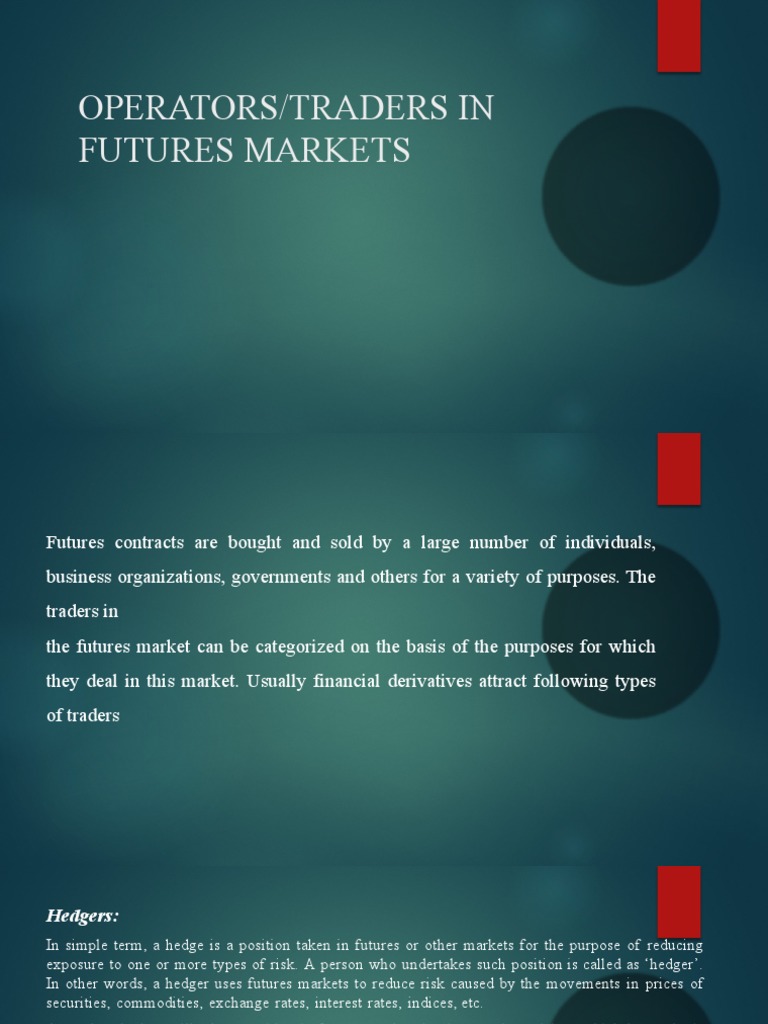
– Hedging: Locking in prices to reduce risk in other parts of your portfolio.
Step 4: Place a Trade

Placing a trade in the futures market involves more than just clicking “buy.” You’ll need to choose the specific contract you want to trade, which month’s expiration you’re targeting, the size of your position, and whether you want to go long or short. You’ll also need to select the type of order, most commonly a market order (executed immediately at current prices) or a limit order (executed only at a specific price).
Futures trades should always include a stop-loss order to protect against major downside risk as well as a take-profit target to lock in gains if the market moves in your favor. Execution speed matters too, especially in fast-moving markets, so ensure you’re comfortable navigating your broker’s platform before live trading.
Step 5: Monitor, Adjust and Close

Once you’ve entered a trade, the real work begins. Futures positions are marked to market daily, meaning your gains and losses are settled in cash at the end of each trading day. You’ll need to stay on top of your position like watching for market-moving news, economic data, or shifts in volatility that might warrant a strategy change.
You can exit your trade before the contract expires, and in fact, most traders do. Risk management doesn’t stop once the trade is live because it’s an ongoing process that separates successful traders from gamblers.
Micro E-Mini Futures: For Small Accounts
Micro E-mini contracts are smaller versions of standard E-mini futures, just 1/10th the size, making them perfect for beginners or traders with limited capital. For example, a Micro E-mini S&P 500 (MES) contract controls $5 per index point instead of $50. You can trade with less risk while still practicing real futures strategies.
Benefits of Futures Trading
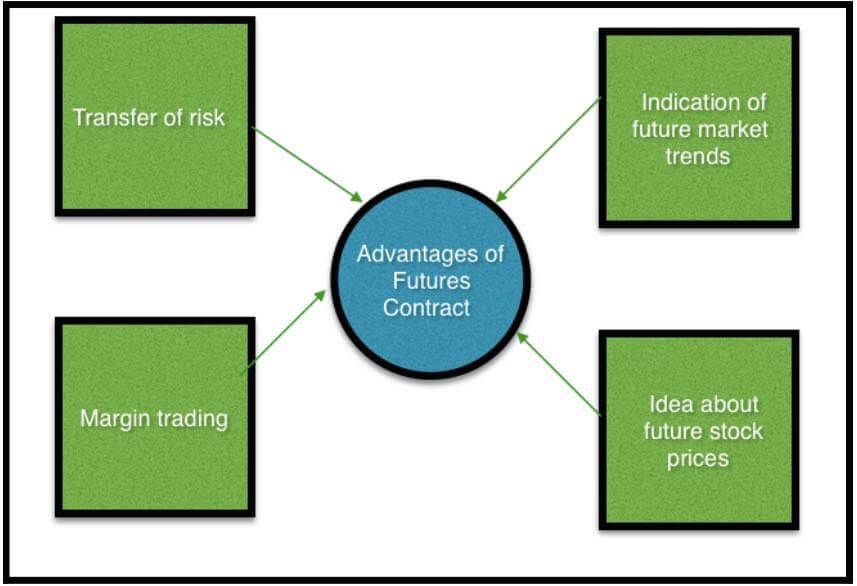
Futures markets offer a powerful mix of features that attract both seasoned traders and ambitious beginners. One of the biggest draws is liquidity because major contracts like the E-mini S&P 500 trade with tight bid-ask spreads and high volume, making it easier to get in and out of positions quickly. Another perk is extended hours: unlike stocks that sleep overnight, futures are active nearly 24/5, allowing traders to react to global events in real time.
Leverage also plays a key role since you can control large positions with relatively small amounts of capital, though this comes with added responsibility. From a tax perspective, futures can be more efficient than stocks in the U.S. thanks to the 60/40 rule, which treats 60% of profits as long-term capital gains, even for short-term trades.
Risks of Trading Futures
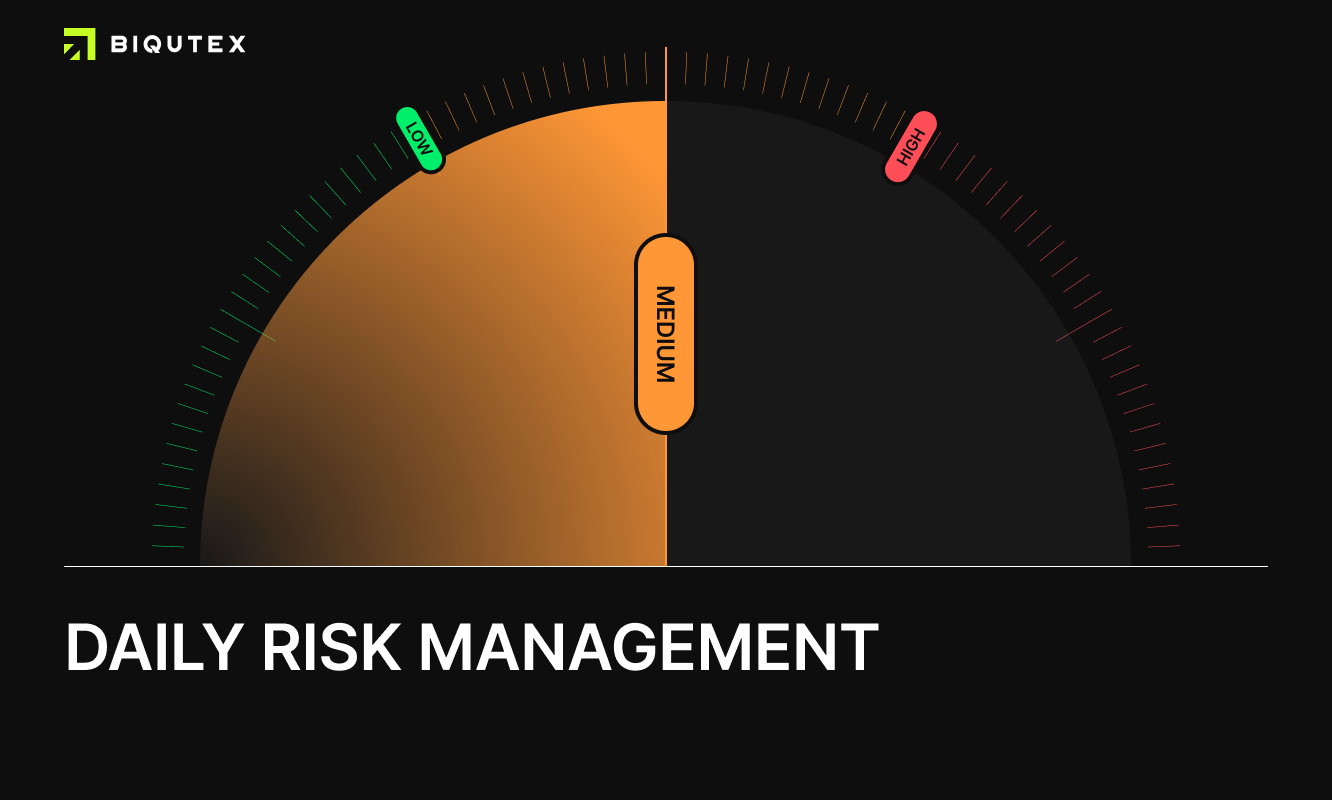
While the rewards can be compelling, futures trading carries serious risk. Leverage is the big one, as it amplifies profits but also accelerates losses. A small market move in the wrong direction can trigger a margin call or force a liquidation, especially if you’re trading with minimal buffer in your account.
Market volatility, unexpected news, and economic data releases can move futures prices in seconds. And since futures settle daily (mark to market), your account balance is constantly updated with realized gains and losses.
Overtrading is another pitfall. Thanks to the low barrier of entry for products like Micro E-minis, it’s easy to jump in and out without a solid strategy, which leads to compounding losses. The solution? Know your contract specs, use stop-loss orders religiously, and never trade more than you’re willing to lose. Futures aren’t for guesswork, they demand preparation, precision, and discipline.
Best Futures Trading Courses and Resources

Knowledge is your best asset. Here are top resources for learning futures:
- CME Group Education: Offers beginner to advanced courses on futures and options.
- NinjaTrader Courses: Tutorials and webinars tailored to the NinjaTrader platform.
- Trading Academy: Offers paid and free courses on futures and other derivatives.
- BabyPips: While geared toward forex, the risk management lessons translate perfectly to futures.
Many brokers also offer built-in learning hubs. If you’re trading with Charles Schwab, Plus500, or Interactive Brokers, check their education centers before you place your first trade.
Futures Markets Reward Discipline
Trading futures can be a smart way to hedge risk, diversify your portfolio, and potentially boost returns. But it’s not something to dive into blindly. Use demo accounts, start with Micro contracts, and take time to learn strategies.
Frequently Asked Questions
- What is supply and demand in futures trading? Supply and demand is a key economic concept that attempts to explain what the market is willing to pay for a given product, where the quantity produced is equal to the quantity demanded. This interaction is key to the analysis of the price of a futures contract.
- How do economic variables affect futures prices? Economic data is released at regular intervals and can have a dramatic effect on prices in one sector. There are dozens of economic data reports released daily, with calendars available online.
- What are natural cycles in futures markets? Since many futures represent commodities that do not have a continuous supply, like corn, or commodities that are in higher demand at certain times of the year, like heating oil, these seasonal patterns of supply and demand create natural cycles that influence the price of futures contracts.