
Understanding Futures Trading: A Complete Guide for Beginners and Experienced Traders
Futures trading is a dynamic and complex financial activity that allows investors to speculate on the future price of various assets, including stocks, commodities, currencies, and even cryptocurrencies. It is a popular strategy among both novice and experienced traders due to its flexibility, leverage opportunities, and the ability to hedge against market risks. However, it’s important to understand the fundamentals, advantages, and disadvantages of futures trading before diving into this high-stakes arena.
What Are Futures Contracts?
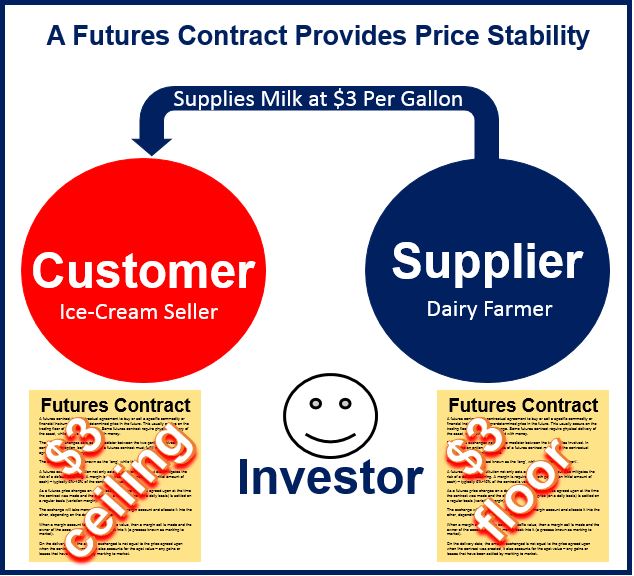
A futures contract is a standardized agreement between two parties to buy or sell an asset at a predetermined price on a specified future date. Unlike spot markets, where transactions are settled immediately, futures contracts are designed to be settled at a later date. These contracts are traded on centralized exchanges such as the Chicago Mercantile Exchange (CME) and the Chicago Board of Trade (CBOT), ensuring transparency and reducing counterparty risk.
Futures contracts can be used for two primary purposes:
– Speculation: Traders bet on the future price movement of an asset to make a profit.
– Hedging: Investors use futures to protect their portfolios from adverse price movements in the underlying assets.
Key Elements of Futures Contracts
Before engaging in futures trading, it’s crucial to understand the key components of a futures contract:
-
Contract Size: This refers to the number of units of the underlying asset that the contract represents. For example, one E-mini S&P 500 futures contract represents $50 times the value of the S&P 500 index.
-
Contract Value: Calculated by multiplying the contract size by the current price of the underlying asset. If the S&P 500 is at $4,800, then the contract value would be $240,000 ($50 x $4,800).
-
Tick Size: The smallest price change that a futures contract can move. For instance, the E-mini S&P 500 has a tick size of one-quarter of an index point, which equates to $12.50 per tick.
Advantages of Futures Trading

Futures trading offers several benefits that make it appealing to a wide range of investors:
-
Leverage: Futures allow traders to control large positions with a relatively small amount of capital. This leverage can amplify returns but also increases the potential for losses.
-
Diversification: Traders can access a wide array of asset classes, from stock indexes to agricultural products, enabling them to build a diversified portfolio.
-
Short Selling: Unlike the stock market, where short selling is limited, futures allow unlimited short selling, giving traders more flexibility to profit from falling prices.
-
Extended Trading Hours: Futures markets operate nearly 24/7, providing opportunities to trade around the clock.
-
Hedging: Futures can be used to hedge against price fluctuations in other investments, offering a layer of protection for investors.
Disadvantages of Futures Trading

Despite its advantages, futures trading comes with its own set of challenges:
-
Complexity: The intricacies of futures trading require a deep understanding of market dynamics, technical analysis, and risk management.
-
Over-Leverage: While leverage can boost profits, it can also lead to significant losses if the market moves against the trader.
-
Expiry Dates: Most futures contracts have a specific expiration date. Traders must roll over their positions or close them before the contract expires to avoid physical delivery of the underlying asset.
-
Physical Delivery Risk: If a trader fails to close their position before expiration, they may be required to take physical delivery of the asset, which can be costly and inconvenient.
Choosing the Right Futures Trading Platform

Selecting the right trading platform is essential for successful futures trading. Here are some key factors to consider:
- User-Friendly Interface: The platform should be intuitive and easy to navigate, especially for beginners.
- Order Types: Look for platforms that offer multiple order types, such as limit orders, stop-loss orders, and market orders, to help manage risk.
- Fees and Commissions: Competitive fees and low commissions can significantly impact profitability.
- Mobile Access: A mobile app allows traders to monitor and execute trades on the go.
- API Access: Advanced traders may benefit from platforms that offer API access for algorithmic trading.
Crafting an Effective Futures Trading Plan

A well-structured trading plan is crucial for long-term success in futures trading. Here are the key components of an effective plan:
- Entry Strategy: Decide on the criteria for entering a trade, whether based on technical analysis, fundamental analysis, or a combination of both.
- Exit Strategy: Define clear rules for when to exit a trade, including stop-loss and take-profit levels.
- Risk Management: Set limits on the amount of capital you’re willing to risk per trade and ensure you have sufficient margin to cover potential losses.
- Position Sizing: Determine the appropriate size of each trade based on your risk tolerance and account size.
For example, a trader might use a golden cross signal (when the 50-day SMA crosses above the 200-day SMA) to enter a long position, with a stop-loss placed 5% below the entry price to manage downside risk.
Exploring Different Futures Markets

Futures contracts are available for a wide range of asset classes, including:
- Equity Indexes: Such as the S&P 500 and Nasdaq 100
- Commodities: Including energy (crude oil, natural gas), agriculture (corn, wheat), and livestock
- Currencies: Such as EUR/USD and GBP/JPY
- Treasury Securities: U.S. government bonds and interest rates
- Cryptocurrencies: Bitcoin, Ethereum, and other digital assets
Each market has its own characteristics, and traders should choose the ones that align with their strategies and risk tolerance.
Step-by-Step Guide to Trading Futures
- Understand the Basics: Learn how futures trading works, including the mechanics of contracts, leverage, and risk management.
- Choose Your Market: Select the asset class you want to trade, such as stocks, commodities, or currencies.
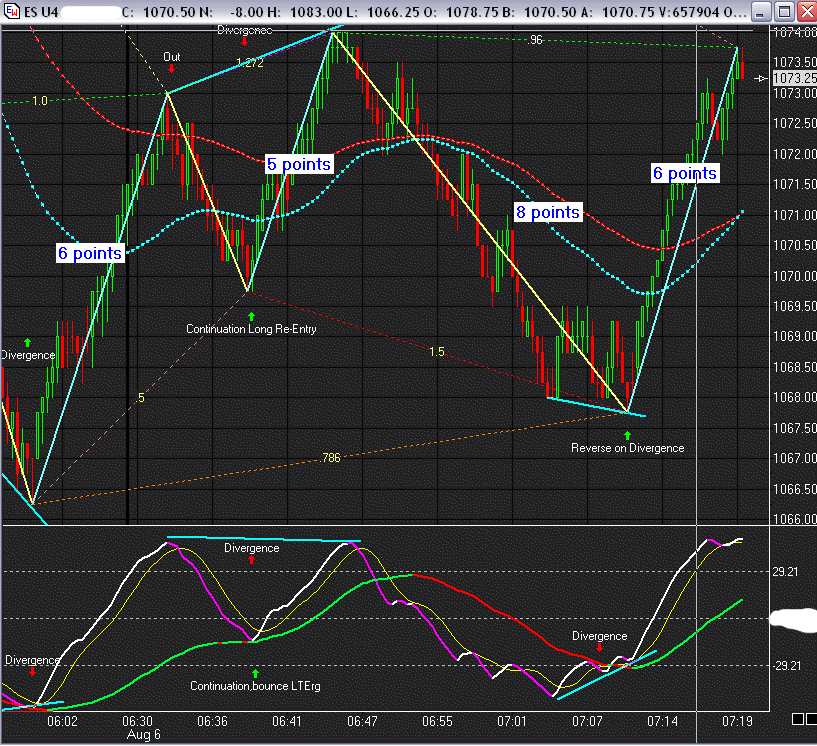
- Define Your Strategy: Decide whether you will go long, short, or use spreads, and develop a clear plan for entry and exit points.
- Select a Platform: Choose a reliable trading platform that suits your needs and offers the necessary tools and features.
- Execute and Monitor: Place your trades and continuously monitor the market for any changes that could affect your positions.
Conclusion
Futures trading is a powerful tool that can provide significant opportunities for profit, but it also carries substantial risks. By understanding the fundamentals, leveraging the right tools, and developing a solid trading plan, investors can navigate the complexities of futures markets and increase their chances of success. Whether you’re a beginner or an experienced trader, the key to thriving in futures trading lies in continuous learning, disciplined execution, and effective risk management.