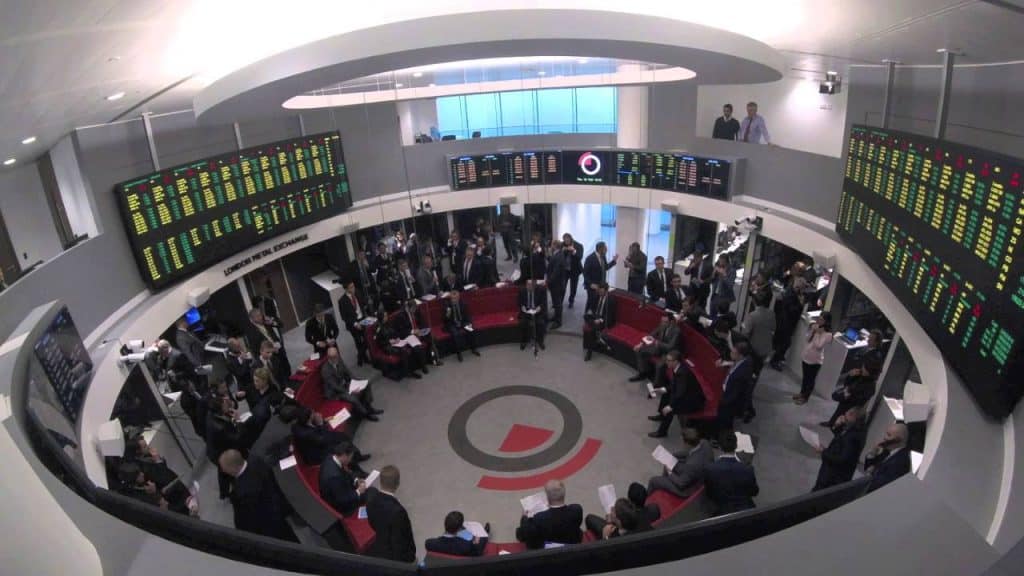
Understanding Futures Trading: A Comprehensive Guide for UK Investors
Futures trading has been a cornerstone of financial markets for over a century, evolving from simple grain contracts to a sophisticated mechanism that allows investors to speculate on and hedge against price movements in a wide array of assets. In the United Kingdom, where financial markets are highly developed and accessible, futures trading offers unique opportunities and challenges for both seasoned and novice investors. This article explores the fundamentals of futures trading, its advantages and disadvantages, and essential considerations for those looking to engage in this complex but potentially rewarding market.
The Basics of Futures Trading
A futures contract is a legally binding agreement between two parties to buy or sell an asset at a predetermined price on a specified future date. Unlike traditional stock trading, where ownership of the underlying asset is transferred immediately, futures contracts often result in cash settlement rather than physical delivery. This makes them particularly useful for speculators and hedgers alike.
Key features of futures contracts include:
- Standardized Terms: Futures are traded on exchanges like the London Metal Exchange (LME) and the Chicago Mercantile Exchange (CME), ensuring consistency in contract size, quality, and delivery.
- Leverage: Traders can control large positions with a relatively small amount of capital, thanks to margin requirements.
- Expiry Dates: Most contracts have fixed expiration dates, requiring traders to roll over positions before they expire.
Key Markets and Assets Traded
Futures contracts cover a vast array of asset classes, making them a versatile tool for investors. In the UK, popular futures markets include:
- Stock Indices: Contracts based on indices like the FTSE 100 and S&P 500.
- Commodities: Energy (oil, natural gas), agricultural products (wheat, corn), and precious metals (gold, silver).
- Currencies: Major pairs such as GBP/USD and EUR/GBP.
- Interest Rates: Contracts tied to central bank policies and bond yields.
- Cryptocurrencies: Perpetual futures on platforms like Binance allow traders to bet on Bitcoin and Ethereum without expiry dates.
These diverse markets offer opportunities for both speculation and risk management, catering to different investment strategies and goals.
Advantages of Futures Trading
- Leverage: One of the most attractive aspects of futures trading is the ability to use leverage. By depositing a fraction of the contract’s total value (known as margin), investors can control larger positions, amplifying potential returns.
- Diversification: Futures allow investors to gain exposure to multiple asset classes, helping to spread risk across different sectors and regions.
- Hedging: For businesses and institutional investors, futures provide a way to protect against adverse price movements. For example, a farmer might use wheat futures to lock in a selling price, mitigating the risk of a price drop.
- 24/7 Trading: Unlike stock markets, which operate during specific hours, futures markets are open almost around the clock, offering flexibility for global traders.
Disadvantages of Futures Trading
Despite its benefits, futures trading comes with significant risks:
- Overleveraging: While leverage can magnify gains, it can also lead to substantial losses if the market moves against the trader. Margin calls can force traders to liquidate positions quickly, sometimes at a loss.
- Complexity: Futures require a deep understanding of market dynamics, technical analysis, and risk management. Novice traders may find the learning curve steep.
- Expiry Management: Contracts have fixed expiration dates, and failing to roll over positions can result in physical delivery of the underlying asset, which is rarely desirable.
- Volatility: Futures markets are known for their high volatility, which can lead to rapid price swings and increased stress for traders.
Selecting a Futures Trading Platform
Choosing the right platform is crucial for successful futures trading. Key factors to consider include:
- User Interface: An intuitive design that allows for quick execution of trades.
- Order Types: Platforms should offer a range of order types, including stop-loss and limit orders, to manage risk effectively.
- Fees and Commissions: Competitive pricing is essential, especially for frequent traders.
- Mobile Access: A mobile app enables traders to monitor and adjust positions on the go.
For UK-based traders, platforms like Interactive Brokers, IG, and Plus500 are popular choices, offering access to a wide range of futures markets.
Developing a Futures Trading Plan
A well-structured trading plan is essential for navigating the complexities of futures trading. Key components include:
- Entry and Exit Strategies: Define clear criteria for when to enter and exit trades, whether based on technical indicators or fundamental analysis.
- Risk Management: Set limits on the amount of capital at risk per trade and use stop-loss orders to protect against large losses.
- Position Sizing: Determine the appropriate size of each trade based on your account balance and risk tolerance.
For example, a trader might use a golden cross signal (when the 50-day moving average crosses above the 200-day moving average) to enter a long position, while placing a stop-loss 5% below the entry point to manage downside risk.
Contract Specifications and Calculations
Understanding the details of each futures contract is vital for effective trading. Important metrics include:
- Contract Size: The quantity of the underlying asset represented by one contract.
- Contract Value: Calculated by multiplying the contract size by the current price of the underlying asset.
- Tick Size: The minimum price movement for a contract, which affects how much a trader can gain or lose per trade.
For instance, the E-mini S&P 500 futures contract has a tick size of $12.50, meaning a 1-point move in the index translates to a $12.50 change in the contract’s value.
Real-World Example: Trading E-mini S&P 500 Futures
Suppose the S&P 500 index is at 4,800 points, and a trader wants to short the market, anticipating a decline. They decide to take a short position on one E-mini contract, which is valued at $50 per index point. If the index falls to 4,720, the trader would profit $3,300 ($12.50 x 264 ticks). However, if the market rises instead, the trader could face a loss of $1,250 if the position is stopped out at 4,786.
This example highlights the importance of proper risk management and the need to understand the mechanics of futures trading before entering the market.
Conclusion
Futures trading offers a powerful tool for UK investors seeking to speculate on price movements or hedge against market risks. However, it requires careful planning, a solid understanding of market dynamics, and disciplined risk management. By choosing the right platform, developing a comprehensive trading plan, and staying informed about market conditions, investors can navigate the complexities of futures trading with confidence. As with any investment, it is essential to approach futures trading with caution and a clear strategy.