
Understanding Health Insurance: A Complete Guide for 2024
Health insurance is an essential protection that individuals and families rely on to cover the costs of medical care and treatments. It provides financial relief by paying for a range of health-related expenses, including doctor’s visits, hospitalization, medications, and preventive care. Without health insurance, medical bills can quickly accumulate and become overwhelming, posing a significant burden on individuals and potentially preventing them from accessing necessary healthcare. Health insurance plans vary in terms of coverage and cost, with options available through employers, government programs, and private insurers. Understanding the intricacies and benefits of health insurance is crucial for individuals to make informed decisions about their healthcare needs.
Types of Health Insurance
Health insurance comes in various forms, each designed to meet different needs and circumstances. The primary types include:
- Employer-Sponsored Health Insurance: Provided by employers as part of their benefits package. This type of insurance usually offers comprehensive coverage and is often more affordable since the employer pays a portion of the premium.
- Government-Funded Health Insurance: Includes programs like Medicaid and Medicare, which are targeted at specific populations such as low-income individuals, seniors, and people with disabilities.
- Individual Health Insurance: Purchased directly from private insurance companies. This allows individuals to choose the coverage that best suits their needs and budget.
- Group Health Insurance: Offered to members of a group such as employees of a company, members of a professional organization, or members of a trade union.
Additionally, there are specialized types of health insurance such as dental, vision, and long-term care insurance, which cater to specific needs.
Importance of Health Insurance
Health insurance plays a crucial role in ensuring the well-being of individuals and their families. Here are some key reasons why it is important:
- Access to Quality Healthcare: Health insurance enables individuals to access the best possible medical care without worrying about the exorbitant costs.
- Financial Security: It helps mitigate the financial burden that can arise from unexpected health issues.
- Preventive Care: Many health insurance plans include coverage for preventive care services such as vaccinations, screenings, and regular check-ups.
- Flexibility of Choice: Having health insurance provides individuals with the flexibility to choose their healthcare providers.
- Health and Wellness: Health insurance plans often offer various wellness programs and services to promote a healthy lifestyle.
- Peace of Mind: Knowing that you are protected by health insurance provides peace of mind.
- Protection for Family: Health insurance not only benefits individuals but also provides coverage for their dependents.
Choosing the Right Health Insurance Plan
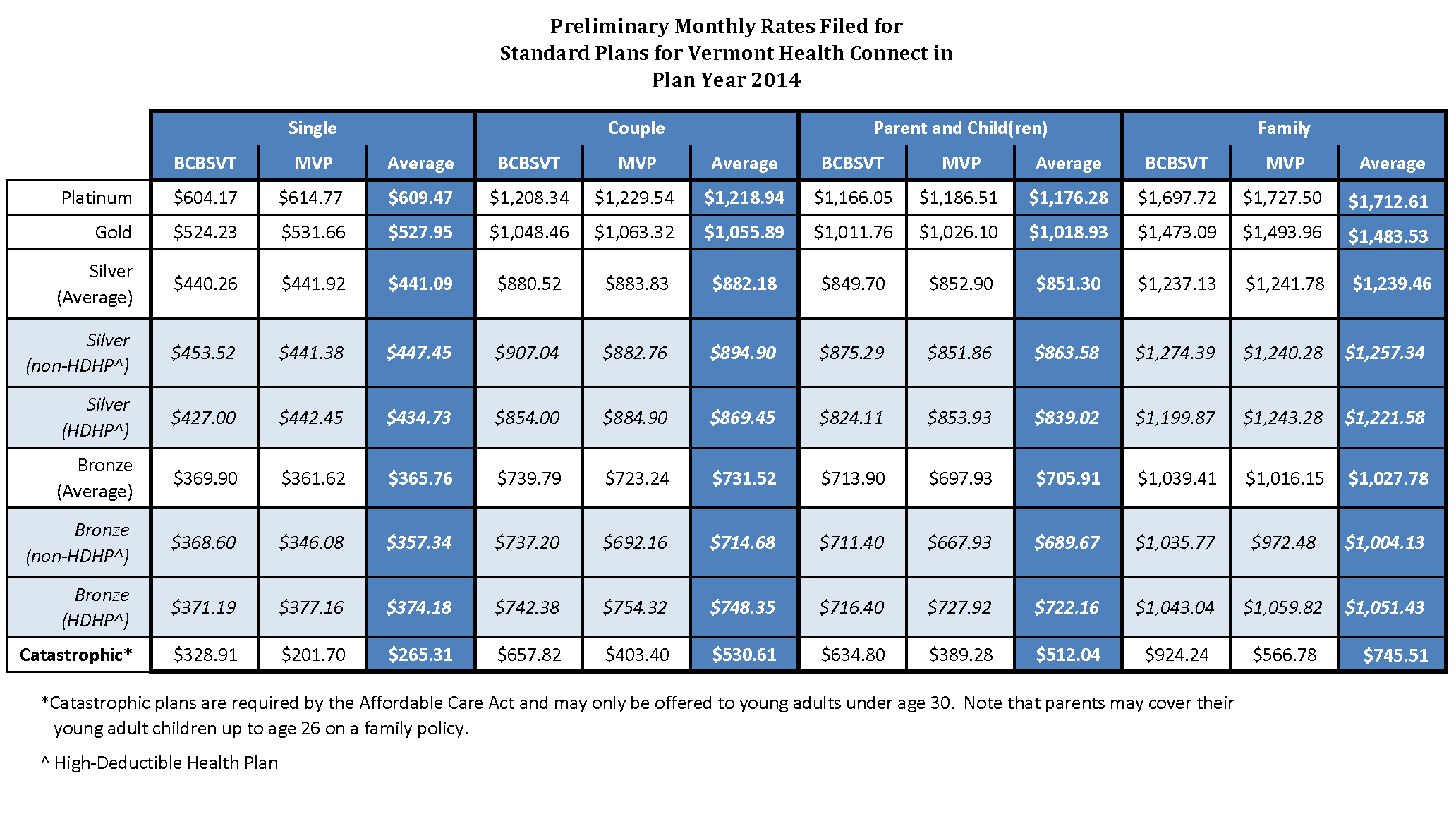
Choosing the right health insurance plan is an important decision that requires careful consideration. Here are some factors to evaluate:
- Assess Your Healthcare Needs: Consider factors such as your age, pre-existing conditions, and any regular medications or treatments you require.
- Evaluate the Network of Healthcare Providers: Ensure that your preferred doctors, hospitals, and specialists are included in the network.
- Analyze the Cost: Look beyond the monthly premium and evaluate the deductibles, co-pays, and co-insurance amounts.
- Review the Benefits: Ensure that the plan adequately covers your anticipated healthcare needs.
- Compare Customer Service and Reputation: Look for feedback and ratings from current or former customers.
- Understand Plan Limitations: Consider factors such as waiting periods for certain treatments or procedures.
Understanding Health Insurance Terms and Policies

Understanding health insurance terms and policies is crucial for every individual seeking adequate coverage and protection for their healthcare needs. Key terms include:
- Premium: The amount of money paid to the insurance company on a monthly basis to maintain coverage.
- Deductible: The predetermined amount that an individual must pay out of pocket before the insurance company starts covering the costs.
- Copayment: A fixed fee paid by the insured for specific services or medications.
- Coinsurance: A percentage of the total cost that the insured individual must pay for covered services after meeting the deductible.
- Out-of-Pocket Maximum: The maximum amount an individual will have to pay for covered services in a given year.
- Network: The group of healthcare professionals, facilities, and providers that have agreed to provide services to insured individuals at pre-negotiated rates.
Common Misconceptions About Health Insurance

There are several common misconceptions about health insurance:
- Health insurance covers all medical expenses: While health insurance does provide coverage for many healthcare services, it does not cover every single expense.
- Pre-existing conditions are not covered: Under the Affordable Care Act, insurance companies are required to cover pre-existing conditions.
- Health insurance is only for the sick or old: Accidents can happen at any age, and having insurance can help protect against unexpected medical expenses.
- Employer-provided insurance is the best option: Depending on an individual’s specific needs, purchasing private health insurance or opting for a government-sponsored plan may be more suitable.
- Health insurance is too expensive: There are various options available, including government subsidies or employer-sponsored plans, which can make health insurance more affordable.
- Health insurance is unnecessary if you’re healthy: Unexpected accidents or sudden illnesses can occur, and having insurance encourages preventative care.
- All health insurance plans are the same: There are numerous types of health insurance plans available, each with its own coverage options, provider networks, and costs.
Conclusion

Health insurance is a vital component of financial and healthcare planning. By understanding the different types of health insurance, their importance, how to choose the right plan, and common misconceptions, individuals can make informed decisions that ensure they have the necessary coverage and protection. Whether through employer-sponsored plans, government programs, or private insurance, securing health insurance is a wise investment in one’s well-being and future.