Understanding Hedge Funds: A Comprehensive Guide for UK Investors
Hedge funds have long been a subject of intrigue and complexity, often shrouded in mystery due to their exclusive nature and high-risk strategies. In the United Kingdom, where financial markets are robust and diverse, understanding what hedge funds are and how they operate is crucial for both seasoned investors and those new to alternative investments. This article delves into the world of hedge funds, exploring their structure, strategies, risks, and the key differences from more traditional investment vehicles.
What Is a Hedge Fund?
A hedge fund is an actively managed private investment fund that pools money from accredited investors with the aim of generating high returns through complex and often risky strategies. Unlike mutual funds, which are open to the general public, hedge funds are typically accessible only to wealthy individuals or institutional investors who meet specific criteria. These funds are known for their flexibility, allowing managers to use a wide range of techniques such as leverage, short selling, and derivatives to achieve their investment goals.
The term “hedge” refers to the practice of mitigating risk by taking offsetting positions in related assets. For example, if a fund holds a portfolio of stocks, it may also invest in bonds or other instruments that move inversely to the stock market, thereby protecting against potential losses. This strategy is central to the operation of hedge funds and is one of the reasons they are considered a high-risk, high-reward investment option.
How Hedge Funds Work
Hedge funds operate under a unique set of rules and structures compared to conventional investment funds. They are not required to register with the Financial Conduct Authority (FCA) in the same way that mutual funds are, which means they are subject to fewer regulatory constraints. However, this lack of regulation also comes with increased risks for investors.
One of the defining features of hedge funds is their use of leverage. By borrowing money to invest, hedge funds can amplify their returns, but this also increases the potential for significant losses. Additionally, hedge funds often employ derivatives such as options and futures, which can further complicate their risk profiles.
Another critical aspect of hedge funds is their fee structure. Most hedge funds charge a management fee of around 2% of the total assets under management (AUM), along with a performance fee of 20% on profits. This “2 and 20” model is designed to incentivize fund managers to generate strong returns while also covering the operational costs of the fund.
Types of Hedge Funds
There are several types of hedge funds, each with its own investment approach and risk profile. Understanding these categories can help investors make informed decisions about which funds might align with their financial goals.
- Global Macro Hedge Funds: These funds focus on macroeconomic trends and political events, aiming to profit from broad market movements.
- Equity Hedge Funds: These funds invest in stocks while hedging against market downturns through short selling or other strategies.
- Relative Value Hedge Funds: These funds seek to exploit price discrepancies between related securities, such as bonds or stocks.
- Activist Hedge Funds: These funds take significant stakes in companies to influence their operations, often pushing for changes that could boost shareholder value.
Each type of hedge fund has its own unique characteristics, and investors should carefully evaluate their risk tolerance and investment objectives before committing capital.
Common Hedge Fund Strategies
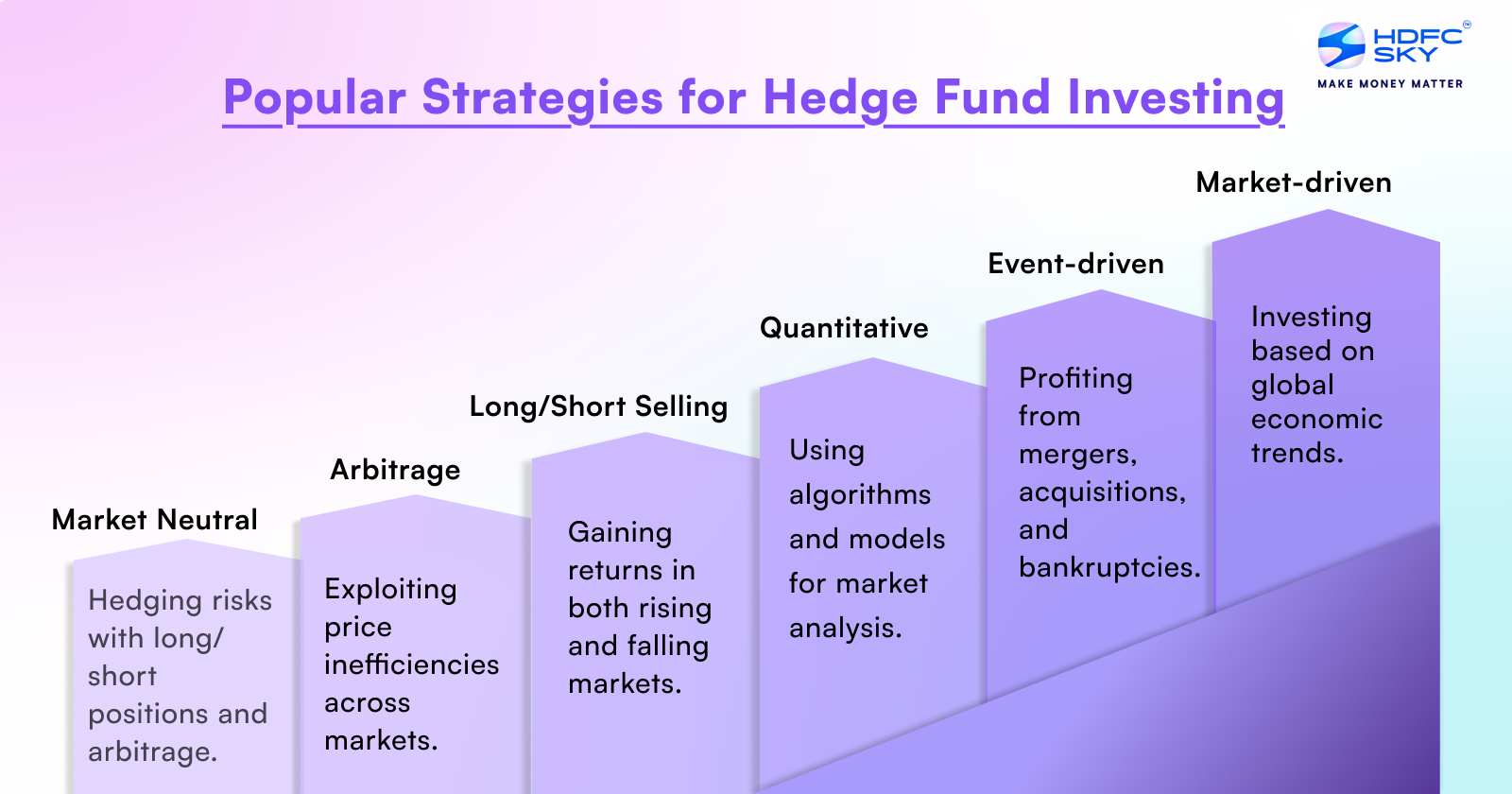
Hedge funds employ a variety of strategies to generate returns, ranging from conservative approaches to highly speculative ones. Some of the most common strategies include:
- Long/Short Equity: This strategy involves buying stocks expected to rise in value while shorting those expected to fall.
- Fixed-Income Arbitrage: This approach seeks to profit from price differences in fixed-income securities, such as bonds.
- Event-Driven Investing: This strategy takes advantage of corporate events like mergers, acquisitions, or bankruptcies to generate profits.
These strategies are often used in combination, allowing hedge funds to diversify their exposure and manage risk more effectively.
Examples of Hedge Funds
Some of the most well-known hedge funds in the world include Bridgewater Associates, Renaissance Technologies, and AQR Capital Management. These firms manage billions of dollars in assets and are known for their sophisticated investment models and track records of success. While these funds are primarily based in the United States, many have a global presence and may offer opportunities for UK-based investors.
Hedge Funds vs. Mutual Funds
While both hedge funds and mutual funds pool investor money to invest in a diversified portfolio, there are significant differences between the two. Mutual funds are regulated more strictly, require daily redemptions, and typically charge lower fees. In contrast, hedge funds are less regulated, have longer lock-up periods, and charge higher fees. Additionally, hedge funds are generally not available to retail investors, whereas mutual funds are accessible to a wide range of investors.
Key Considerations for UK Investors
For UK investors considering hedge funds, there are several important factors to keep in mind:
- Accredited Investor Status: Most hedge funds require investors to be accredited, meaning they must meet certain income or net worth thresholds.
- Risk and Liquidity: Hedge funds are inherently risky, and investors should be prepared for the possibility of significant losses. Additionally, funds often have lock-up periods and limited redemption options.
- Fees: The high fees associated with hedge funds can eat into returns over time, so it’s essential to understand the cost structure before investing.
- Due Diligence: Researching the fund manager, understanding the investment strategy, and reviewing the offering memorandum are all critical steps in the decision-making process.
Conclusion
Hedge funds represent a complex and dynamic corner of the financial world, offering the potential for high returns but also carrying significant risks. For UK investors, understanding the nuances of hedge funds is essential to making informed investment decisions. Whether you’re a seasoned investor or just starting out, careful research and a clear understanding of your risk tolerance are key to navigating this exciting but challenging investment landscape.