Understanding Item Banking in Educational Assessment
Item banking is a critical component of modern educational assessment, serving as the backbone for creating, managing, and maintaining large pools of test items. This process ensures that exams remain relevant, reliable, and valid over time. For educators and assessment professionals, item banking offers a structured approach to developing questions that can be rotated, reviewed, and updated as needed. It also plays a vital role in tracking metadata, such as item statistics, which are essential for evaluating the performance of individual questions and overall exam effectiveness.
The Importance of Item Banking

In any professional examination setting, having a well-managed item bank is crucial. These banks consist of a vast array of questions that are frequently rotated to prevent memorization and ensure fairness. By rotating items, examiners can maintain the integrity of the assessment while also adapting to changes in curriculum or standards. Additionally, item banking allows for the collection and analysis of statistical data, which helps in identifying high-performing questions and those that may need revision.
The process of item banking involves several stages, including item development, review, and management. Each item must go through a rigorous review process to ensure it aligns with the intended learning outcomes and meets quality standards. This workflow management module is essential for maintaining consistency and accuracy across all assessments.
Metadata Tracking and Its Role
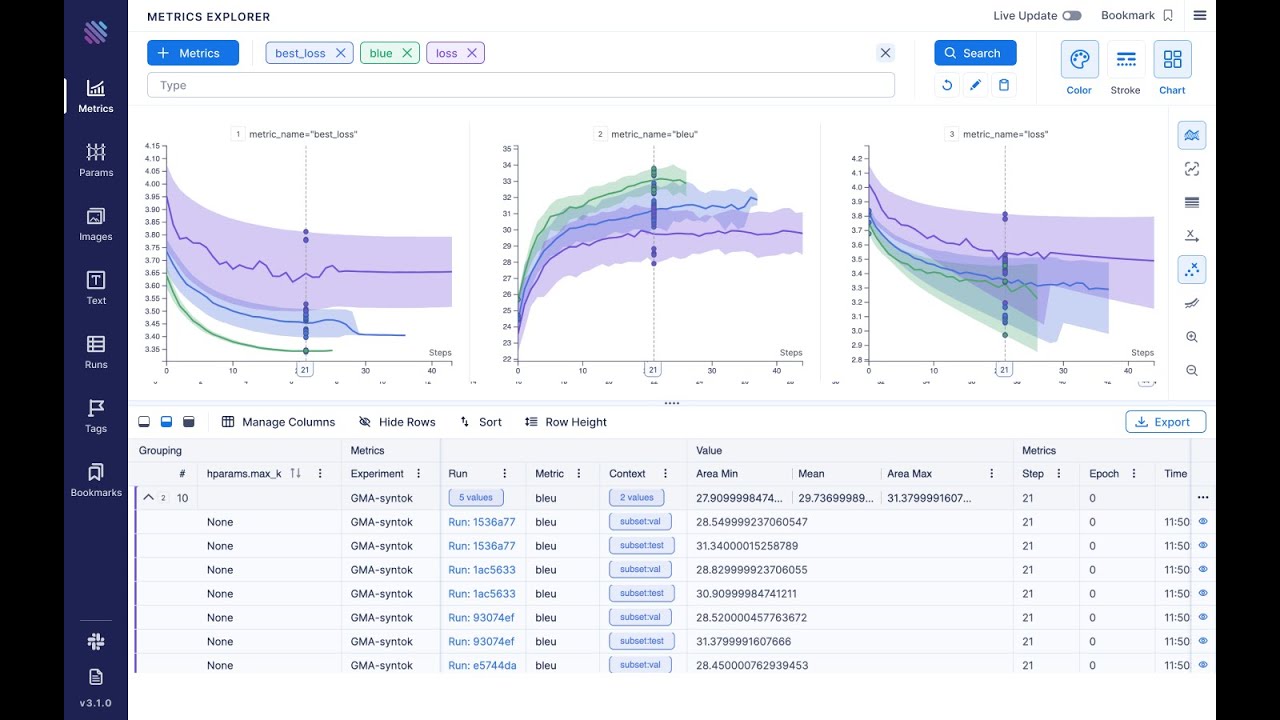
One of the key features of item banking is the ability to track metadata. Metadata includes information such as the difficulty level, subject area, and question type. This data is invaluable for analyzing the performance of individual items and the overall exam. For instance, if a particular question has a low pass rate, it may indicate that the question is too difficult or that there is a gap in the curriculum. Conversely, a high pass rate might suggest that the question is not challenging enough.
Moreover, metadata tracking enables educators to make informed decisions about which items to retain, revise, or replace. This data-driven approach enhances the quality of assessments and ensures that they remain aligned with educational goals.
User Management and Access Control

Another important aspect of item banking is user management and access control. In large organizations, it is common to have multiple stakeholders involved in the assessment process, such as item writers, reviewers, and administrators. To maintain security and ensure that only authorized individuals can access specific content, item banking systems often include role-based access controls.
For example, Math item writers should only have access to the Math item bank, allowing them to focus on developing questions within their area of expertise. This not only improves efficiency but also reduces the risk of errors or inconsistencies in the content. Additionally, user management modules help in tracking who has accessed or modified an item, providing a clear audit trail for accountability.
Technology and Tools Supporting Item Banking

Modern item banking systems rely on advanced technology and tools to streamline the process. These platforms often integrate with other educational technologies, such as learning management systems (LMS) and analytics tools, to provide a comprehensive solution for assessment management. Features like automated item review, real-time analytics, and secure user authentication are essential for maintaining the integrity and efficiency of the item banking process.
Additionally, many item banking platforms incorporate features like version control, which allows users to track changes made to items over time. This is particularly useful when multiple reviewers are involved in the assessment process, as it ensures that all modifications are documented and can be reverted if necessary.

Conclusion
Item banking is a complex yet essential process in educational assessment. It provides a structured approach to developing, reviewing, and managing test items, ensuring that exams remain fair, accurate, and effective. With the right tools and strategies in place, educators and assessment professionals can leverage item banking to enhance the quality of their assessments and better meet the needs of their students.
By understanding the importance of item banking and implementing best practices, organizations can create assessments that are not only reliable but also reflective of current educational standards. As technology continues to evolve, the role of item banking will only become more significant, offering new opportunities for innovation and improvement in the field of education.