Understanding the Power of AI Cloud ERP: A Comprehensive Guide
In today’s fast-paced business environment, companies are constantly seeking ways to streamline operations, improve efficiency, and gain a competitive edge. One of the most transformative tools in this regard is the AI Cloud ERP (Enterprise Resource Planning) system. These systems integrate various business functions into a single platform, enabling organizations to make informed decisions based on real-time data. With the rise of artificial intelligence (AI), modern ERP solutions have evolved beyond traditional software, offering intelligent insights that adapt to your business needs.
What is an ERP System?
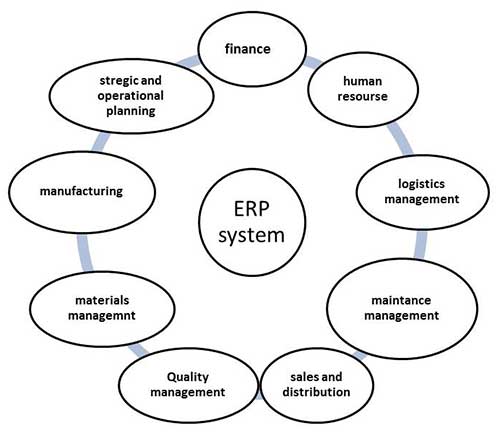
ERP stands for Enterprise Resource Planning, and it refers to a suite of integrated software applications designed to manage and automate core business processes. These processes typically include finance, human resources, procurement, distribution, supply chain management, and more. The key advantage of an ERP system is that it consolidates all these functions into a unified platform, allowing for seamless data flow across departments.
Originally developed for manufacturing companies, ERP systems have since expanded to serve nearly every industry. For example, government agencies may use specialized ERP modules that incorporate contract lifecycle management (CLM) and follow specific accounting rules rather than general accounting principles (GAAP). This adaptability makes ERP systems versatile and essential for businesses of all sizes and sectors.
How AI Enhances ERP Systems
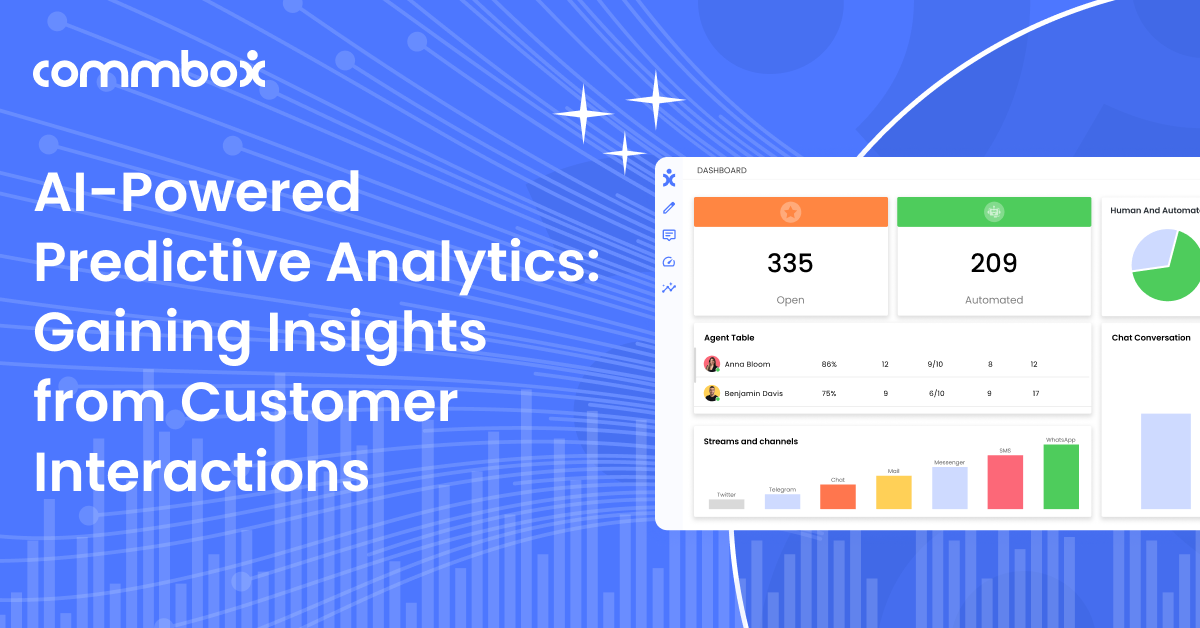
The integration of artificial intelligence into ERP systems has revolutionized the way businesses operate. Traditional ERP systems rely on predefined rules and manual data entry, which can be time-consuming and prone to errors. In contrast, AI-powered ERP systems learn from data patterns, predict trends, and automate tasks with minimal human intervention.
One of the most significant benefits of AI in ERP is the ability to provide real-time insights. Instead of relying on guesswork, businesses can make data-driven decisions based on accurate and up-to-date information. For instance, AI can analyze sales data to forecast demand, optimize inventory levels, and even suggest pricing strategies. This not only improves operational efficiency but also enhances customer satisfaction by ensuring timely delivery and personalized experiences.
Why NetSuite is a Leading Choice for AI Cloud ERP

Among the many ERP providers in the market, NetSuite has emerged as a top choice for businesses looking to leverage AI in their operations. NetSuite offers a comprehensive cloud-based ERP solution that integrates financials, CRM, e-commerce, and other critical business functions into a single system. Its AI capabilities allow businesses to gain deeper insights into their operations and make proactive decisions.
NetSuite’s approach to ERP is particularly appealing due to its scalable architecture. As businesses grow, they can easily add new modules, increase user licenses, or expand their data storage without disrupting existing workflows. This flexibility makes NetSuite an ideal solution for startups, mid-sized companies, and enterprises alike.
Cost Structure of NetSuite ERP
When considering an ERP system like NetSuite, one of the primary concerns is cost. However, NetSuite offers a transparent and flexible pricing model that accommodates businesses at different stages of growth. Users subscribe to NetSuite through an annual license fee, which includes three main components:
- Core Platform: The foundation of the ERP system, providing essential functionality.
- Optional Modules: Additional features such as advanced analytics, e-commerce, or project management, which can be added as needed.
- User Licenses: The number of users who will access the system, with pricing based on the size of the organization.
In addition to the annual fee, there is a one-time implementation fee for initial setup. However, as the business scales, users can activate new modules and add more users seamlessly. This pay-as-you-grow model ensures that businesses only pay for what they need, making NetSuite a cost-effective solution for long-term growth.
Key Benefits of Implementing an ERP System

Implementing an ERP system can bring numerous advantages to an organization. Some of the most notable benefits include:
- Improved Data Accuracy: By eliminating silos and automating data entry, ERP systems reduce errors and ensure consistency across departments.
- Enhanced Collaboration: A centralized platform enables teams to access shared data, improving communication and coordination.
- Better Decision-Making: Real-time analytics and AI-driven insights empower managers to make informed decisions quickly.
- Increased Efficiency: Automation of repetitive tasks frees up employees to focus on strategic initiatives.
- Scalability: ERP systems can grow with the business, adapting to changing needs and expanding operations.
Conclusion
As businesses continue to navigate an increasingly complex and competitive landscape, the adoption of AI Cloud ERP systems like NetSuite has become a strategic imperative. These systems offer a powerful combination of automation, data integration, and intelligent analytics that can drive operational excellence and foster sustainable growth. Whether you’re a small startup or a large enterprise, investing in an ERP solution tailored to your needs can transform the way you run your business.