Understanding the Role of ERP Systems in Modern Business Operations
Enterprise Resource Planning (ERP) systems have become a cornerstone of modern business operations, offering a unified approach to managing an organization’s core processes. From finance and human resources to supply chain and customer relations, ERP systems provide an integrated platform that streamlines workflows, enhances data visibility, and improves decision-making. As businesses grow more complex, the need for efficient resource optimization has never been greater. This article explores the evolution, key components, benefits, challenges, and future trends of ERP systems, with a focus on their application in the United States.
The Evolution of ERP Systems

The concept of ERP emerged in the 1990s as a way to integrate various business functions into a single, cohesive system. Initially, ERP systems were primarily focused on manufacturing processes, but they quickly expanded to cover all aspects of enterprise management. According to Gartner, the global ERP market was valued at $35 billion in 2021, reflecting the widespread adoption of these systems across industries.
One of the earliest iterations of ERP was Material Requirements Planning (MRP), which helped companies manage inventory and production schedules. Manufacturing Resource Planning (MRP II) later extended this concept to include additional functions such as accounting and human resources. The introduction of ERP systems in the 1990s marked a significant shift, as they integrated these functions into a single platform, enabling real-time data sharing and improved operational efficiency.
Key Components of ERP Systems
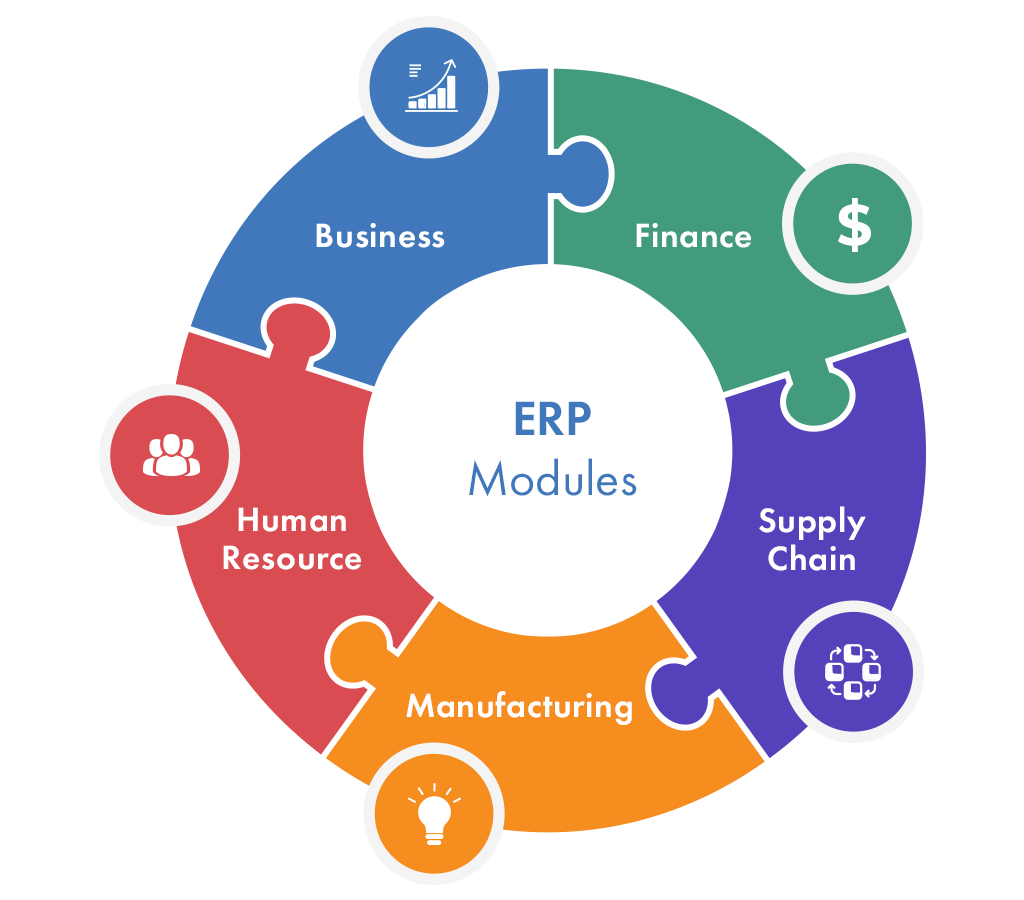
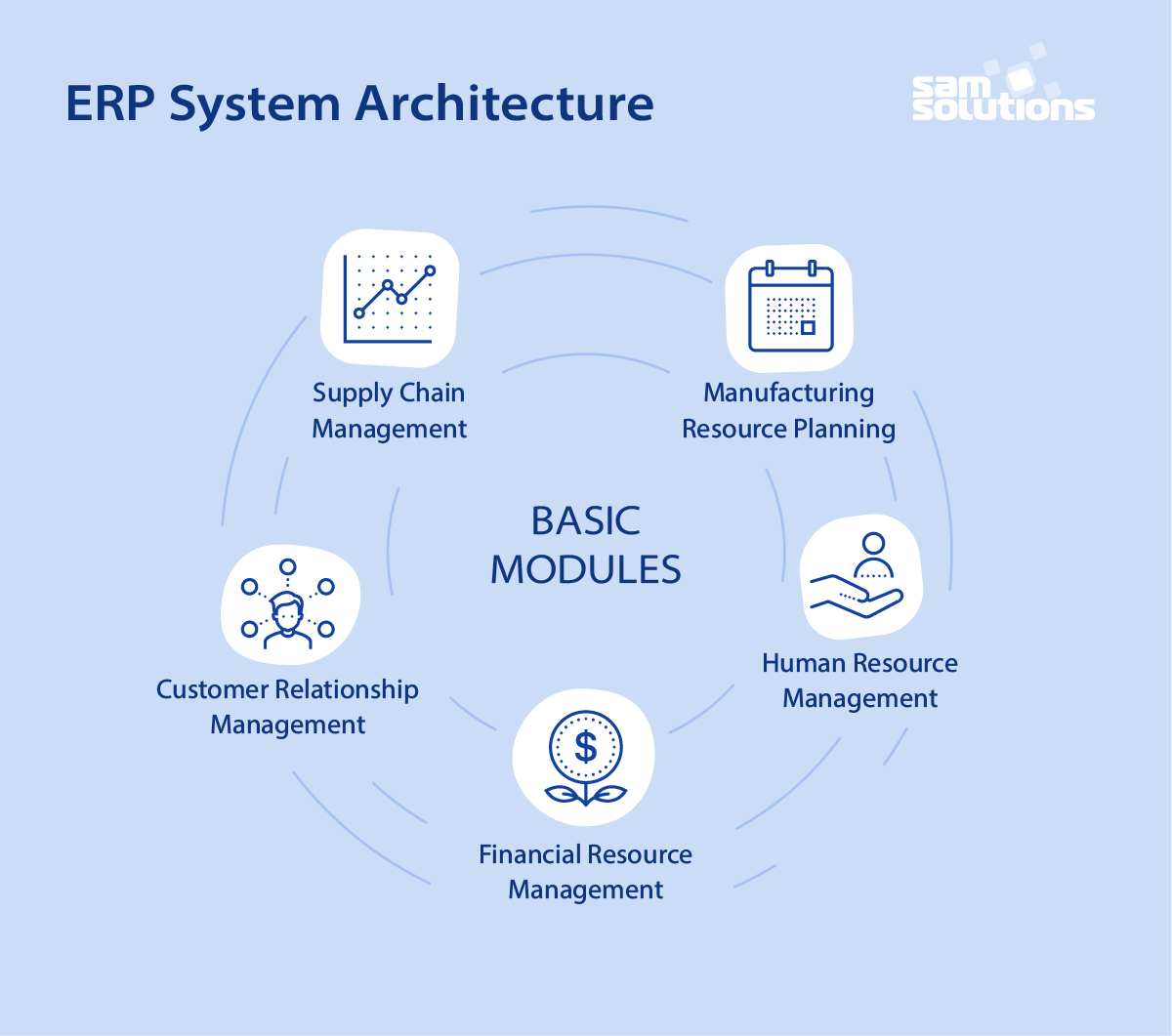
An ERP system typically consists of multiple modules, each designed to handle specific business functions. These modules may include:
- Finance and Accounting: Manages financial transactions, budgeting, and reporting.
- Human Resources: Handles payroll, employee records, and benefits administration.
- Supply Chain Management: Tracks inventory, procurement, and logistics.
- Customer Relationship Management (CRM): Manages interactions with customers and sales activities.
- Production and Operations: Oversees manufacturing processes and quality control.
These modules are interconnected through a shared database, allowing seamless data flow between departments. For example, a sales order processed in the CRM module can automatically update inventory levels in the supply chain module, ensuring accurate stock tracking and efficient order fulfillment.
Benefits of ERP Systems
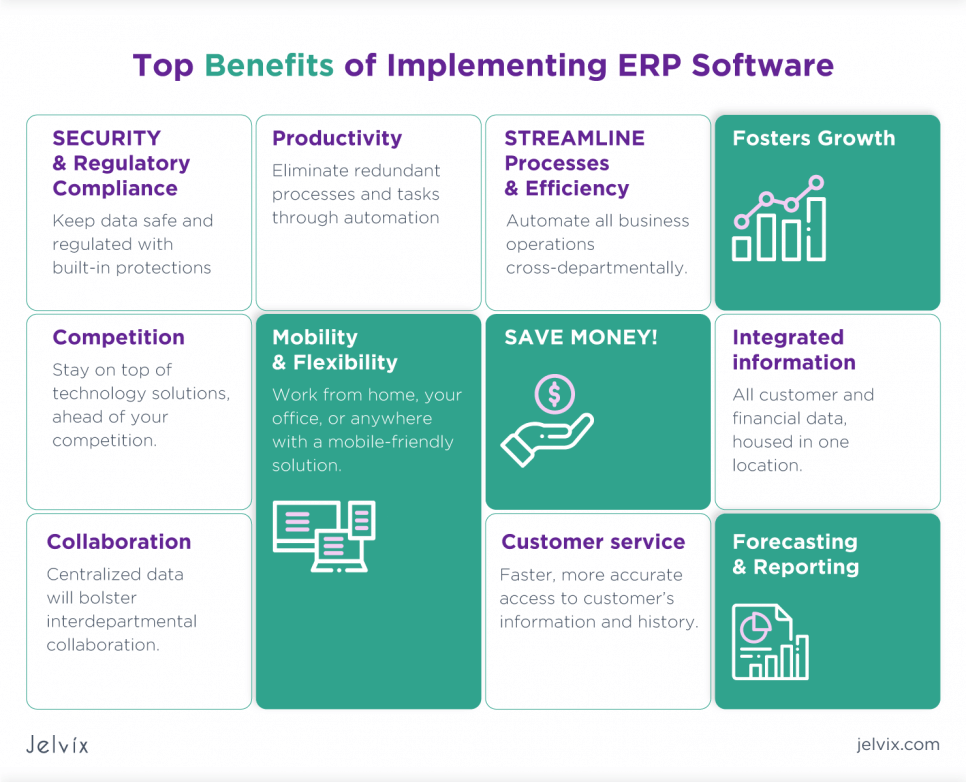
The implementation of ERP systems offers numerous advantages for organizations. One of the most significant benefits is the ability to centralize data, eliminating silos and improving transparency. By providing a single source of truth, ERP systems enable managers to make informed decisions based on real-time data.
Another key advantage is the automation of repetitive tasks, which reduces errors and frees up employees to focus on more strategic activities. For instance, automated invoicing and payment processing can significantly reduce the time and effort required for financial operations.
Moreover, ERP systems enhance collaboration by facilitating communication between different departments and external stakeholders. This is particularly important in today’s globalized business environment, where companies often operate across multiple regions and require seamless coordination.
Challenges and Considerations
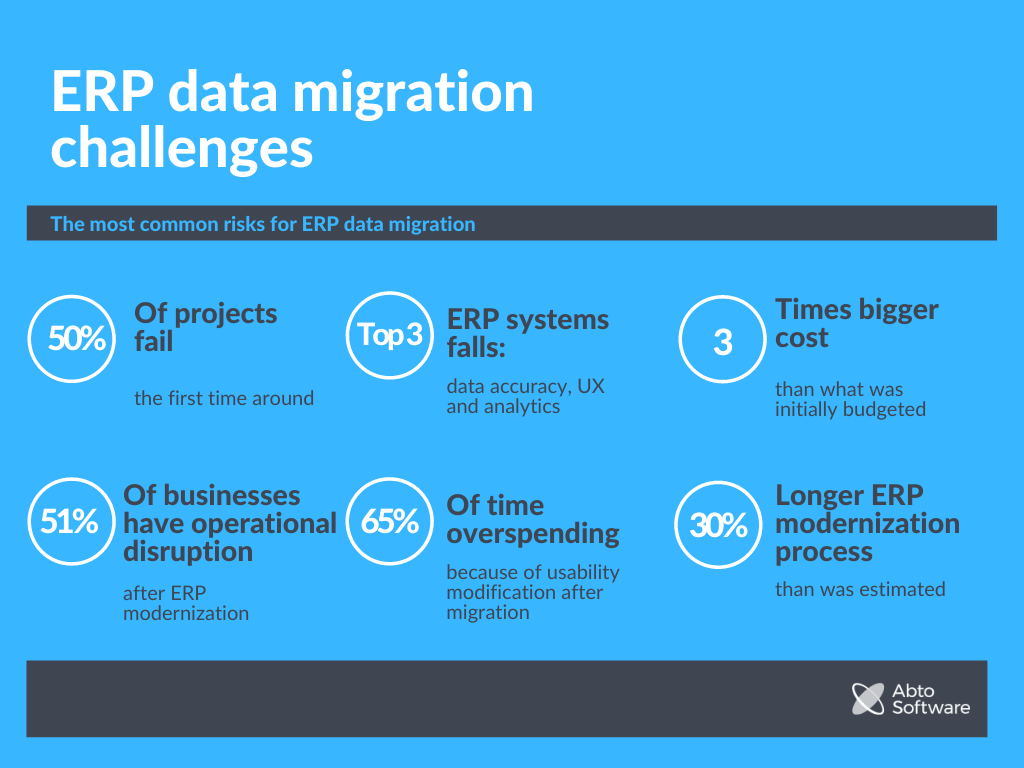
Despite the many benefits, implementing an ERP system is not without its challenges. One of the primary obstacles is the complexity of the implementation process. Organizations must carefully plan and execute the transition, considering factors such as data migration, customization, and user training.
Customization can also be a double-edged sword. While it allows companies to tailor the system to their specific needs, excessive customization can lead to increased costs and maintenance challenges. Additionally, resistance to change from employees can hinder the successful adoption of an ERP system.
Another challenge is the cost associated with ERP systems. While cloud-based solutions have reduced upfront expenses, ongoing subscription fees and potential integration costs can add up over time. Companies must weigh these costs against the long-term benefits of improved efficiency and scalability.
Future Trends in ERP Systems

As technology continues to evolve, so too do ERP systems. One of the most notable trends is the increasing use of cloud-based ERP solutions. Cloud ERP offers greater flexibility, scalability, and accessibility, allowing businesses to access their systems from anywhere with an internet connection.
Another emerging trend is the integration of artificial intelligence (AI) and machine learning into ERP systems. These technologies can help organizations analyze vast amounts of data, identify patterns, and make predictive insights. For example, AI-powered analytics can help companies forecast demand, optimize inventory levels, and improve customer service.
Additionally, the rise of mobile ERP solutions is enabling employees to access critical information and perform tasks on the go. Mobile ERP applications allow users to manage orders, track shipments, and update inventory from their smartphones or tablets, enhancing productivity and responsiveness.
Conclusion
In conclusion, ERP systems play a vital role in modern business operations by integrating core processes, improving data visibility, and enhancing decision-making. As companies continue to navigate the complexities of a global marketplace, the adoption of ERP systems will remain essential for achieving efficiency, agility, and competitiveness. While challenges exist, the long-term benefits of ERP systems make them a valuable investment for organizations looking to thrive in the digital age.