Understanding Web3: The Future of the Internet and Its Implications for Marketing
In recent years, the term “Web3” has become a buzzword in tech circles, but what exactly does it mean, and how will it impact the future of the internet? As we navigate this new digital era, it’s essential to understand the evolution of the web and how Web3 is shaping up to be a transformative force. This article explores the concept of Web3, its differences from Web 3.0, and its potential implications for marketing strategies in the coming years.
The Evolution of the Internet
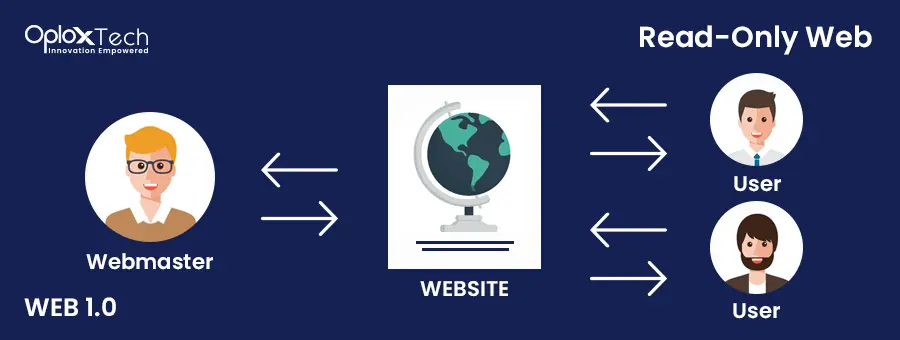
To fully grasp the significance of Web3, it’s helpful to look back at the history of the internet. The journey began with Web 1.0, often referred to as the “read-only” web. In this phase, websites were static, and users could only consume content without contributing or interacting. Tim Berners-Lee’s invention of the World Wide Web in 1989 laid the foundation for this era, allowing people to access and share information through hyperlinks.
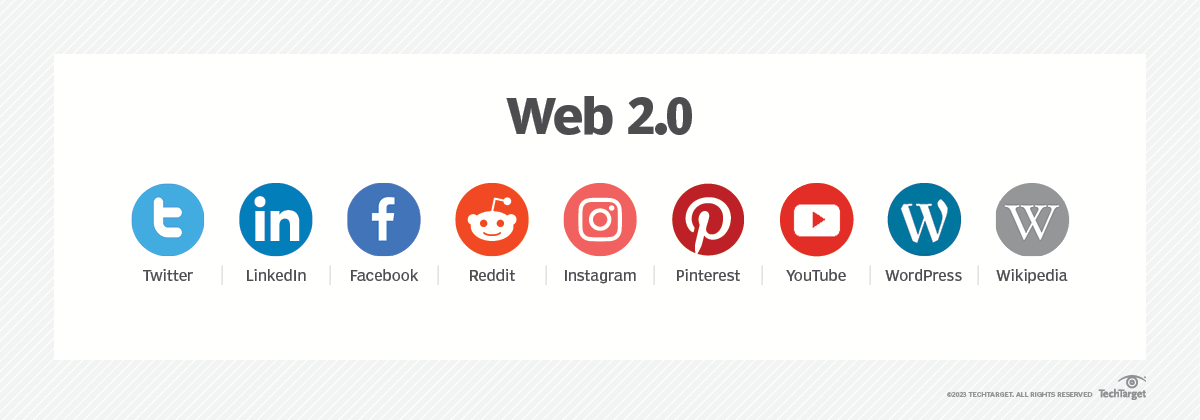
As the internet evolved, we entered the Web 2.0 era, characterized by dynamic, interactive platforms where users could generate content. Social media, blogs, and other user-driven platforms became central to online interaction. However, this shift also brought about the rise of “walled gardens,” where tech giants like Google, Facebook, and Amazon controlled user data and interactions.
Now, we’re on the brink of the next major shift with Web3, which promises a decentralized internet powered by blockchain technology. Unlike Web 2.0, where data is siloed and controlled by centralized entities, Web3 aims to give users ownership of their data and empower them to interact with the internet in a more transparent and secure manner.
What Is Web3?
Web3 is envisioned as a decentralized web ecosystem where users can retain ownership of their data. This is achieved through blockchain technology, which allows data to be stored on public ledgers rather than centralized servers. In a Web3 world, individuals would have greater control over their online experiences, eliminating the need for intermediaries like financial institutions and tech companies.
One of the key features of Web3 is the token economy, where users can monetize their data by receiving tokens for their online interactions. These tokens could offer perks such as ownership stakes in content platforms or voting rights in online communities. This shift has the potential to revolutionize how we engage with digital services and create value online.
Web3 vs. Web 3.0
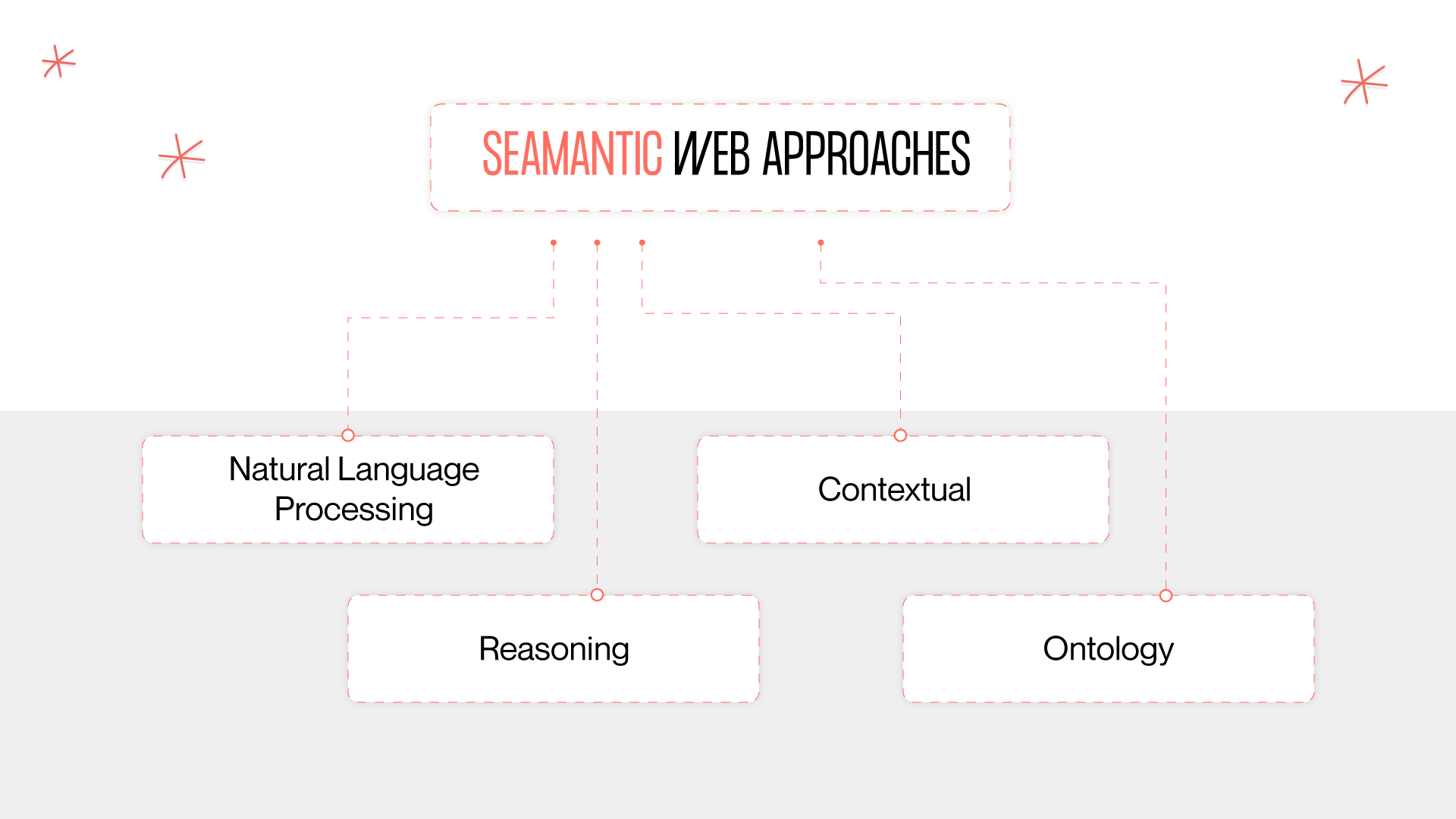
While the terms “Web3” and “Web 3.0” are often used interchangeably, they represent different concepts. Web 3.0 traces back to Tim Berners-Lee’s original vision for the internet as a collection of websites linking everything together at the data level. It focuses on creating a semantic web where computers can understand and process information in a more human-like way.
In contrast, Web3 is about decentralization and blockchain-based infrastructure. While Web 3.0 emphasizes data connectivity and intelligent processing, Web3 prioritizes user empowerment and data ownership. Both concepts are likely to coexist in the next era of the internet, with elements of both movements shaping the digital landscape.
The Role of Blockchain in Web3
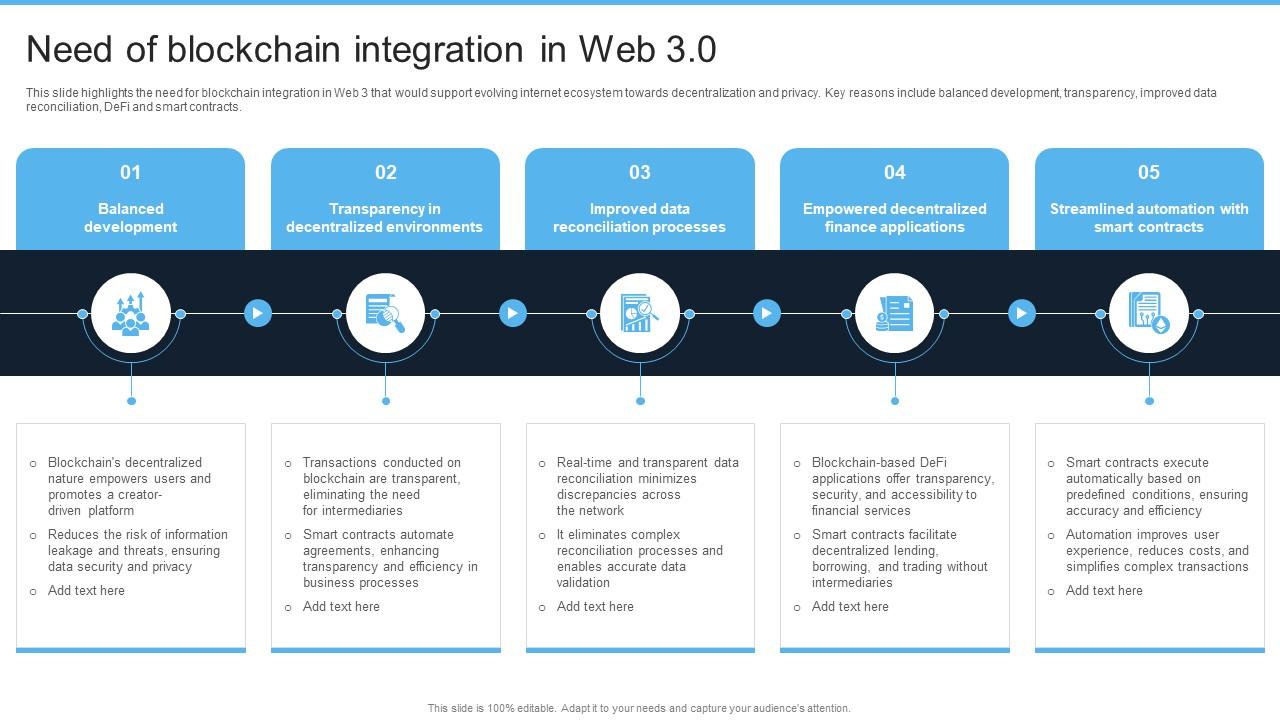
Blockchain technology plays a crucial role in the development of Web3. By enabling transparent and secure transactions, blockchain enhances trust and reduces the need for intermediaries. This is particularly relevant in areas like decentralized finance (DeFi), where traditional financial systems are being disrupted by blockchain-based solutions.
For marketers, understanding blockchain is essential as it opens up new opportunities for building trust and engaging with audiences. Whether it’s promoting NFTs, DeFi projects, or Metaverse initiatives, integrating blockchain into marketing strategies can help brands stand out in an increasingly competitive digital space.
Marketing in the Web3 Era

As Web3 continues to evolve, marketers must adapt to new trends and technologies. Here are some key considerations:
1. NFT Marketing
NFTs (Non-Fungible Tokens) are no longer just about digital art. They are revolutionizing industries such as gaming, real estate, and entertainment. Marketers can leverage NFTs to create unique, collectible experiences that drive engagement and sales.
2. DeFi Promotion
Decentralized Finance (DeFi) is democratizing finance by offering alternative financial services without the need for traditional banks. Marketers should focus on educating audiences about the benefits of DeFi and how it can provide greater financial freedom.
3. Metaverse Marketing
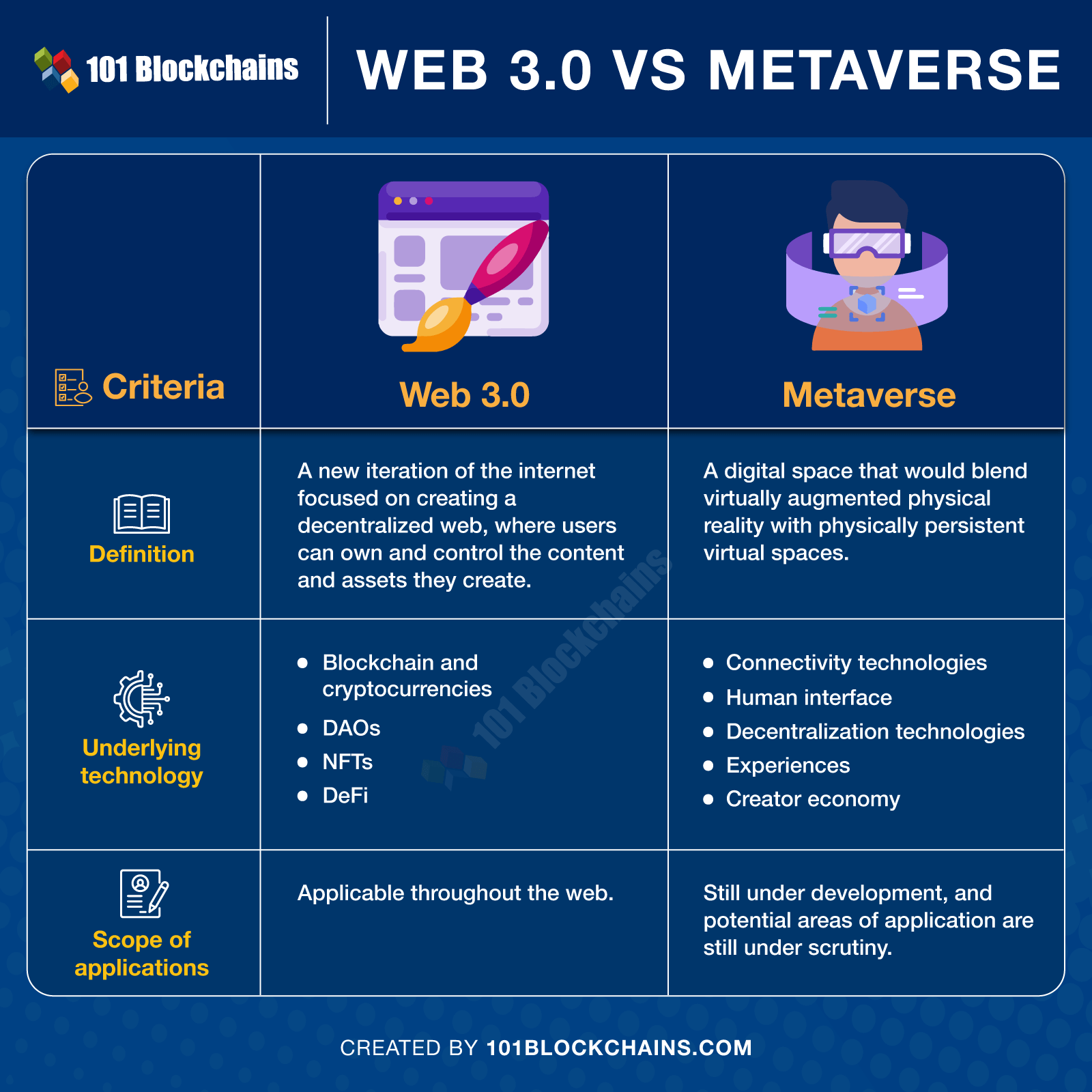
The Metaverse is becoming a reality, and businesses are entering this virtual frontier to connect with new generations of users. Marketers should explore ways to establish their brand presence in the Metaverse and create immersive experiences.
4. Community-Centric Strategies

Building loyal and engaged communities is at the heart of successful Web3 projects. Marketers should focus on fostering relationships with their audience and creating a sense of belonging.
5. Navigating the Regulatory Landscape
As Web3 evolves, so do the regulations surrounding it. Marketers must stay informed about the legal implications of blockchain, NFTs, and other emerging technologies to ensure compliance and protect their brands.
Conclusion
Web3 represents a significant shift in how we interact with the internet, offering users greater control over their data and reshaping the digital economy. For marketers, this presents both challenges and opportunities. By embracing blockchain, NFTs, DeFi, and the Metaverse, brands can position themselves at the forefront of this new era.
As we continue to navigate the complexities of Web3, it’s clear that the future of the internet is decentralized, data-driven, and user-centric. By staying informed and adapting to these changes, marketers can unlock the full potential of Web3 and drive meaningful engagement with their audiences.