What Are Contactless Payments and How Do They Work?
In today’s fast-paced world, the way we make payments is evolving rapidly. One of the most significant advancements in recent years has been the rise of contactless payments. This technology allows consumers to make purchases quickly and securely without the need for physical contact with cash or a card reader. From tapping a smartphone to swiping a credit card, contactless payments are reshaping the retail landscape and changing how we interact with money.
Understanding Contactless Payments
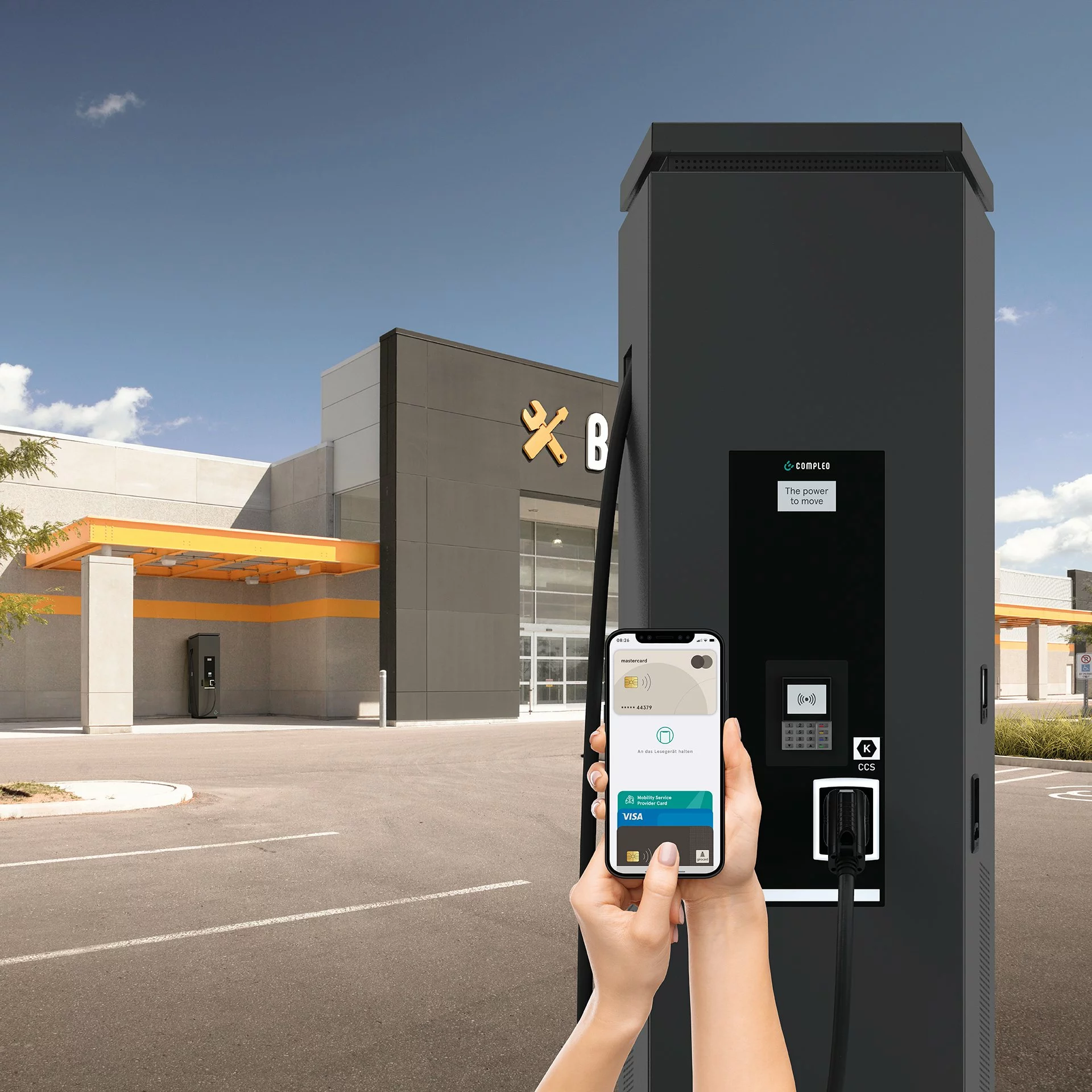
Contactless payments use Radio-Frequency Identification (RFID) and Near-Field Communication (NFC) technologies to facilitate transactions. These technologies enable devices such as debit cards, credit cards, smartphones, and smartwatches to communicate wirelessly with payment terminals. The process is simple: users bring their device close to a terminal that supports contactless payments, and the transaction is completed almost instantly.
How Contactless Payments Work

Here’s a step-by-step breakdown of how contactless payments function:
- Activation: The user activates the contactless feature on their device or card. This can be done through a mobile wallet app like Apple Pay or by simply tapping a card with an NFC chip.
- Proximity: The user brings their device within a few centimeters of the payment terminal, which displays the contactless symbol (often resembling a wave).
- Transaction: Information is transmitted from the device to the terminal using encrypted data. This includes the card number, expiration date, and a unique transaction code.
- Confirmation: Once the terminal verifies the transaction, it signals the user with a beep, a light, or a visual confirmation on the screen.
- Completion: The purchase is complete, and the user can move on without needing to enter a PIN or sign a receipt for small transactions.
Advantages of Contactless Payments

There are several benefits to using contactless payments, both for consumers and businesses.
Convenience and Speed
One of the most significant advantages of contactless payments is the speed at which transactions can be completed. Unlike traditional methods that require swiping a card or entering a PIN, contactless payments take just a few seconds. This makes them ideal for quick purchases, such as buying coffee or groceries.
Enhanced Security
Contactless payments are more secure than traditional magnetic stripe cards. The use of encryption and tokenization ensures that sensitive information is not transmitted directly. Additionally, many contactless cards and devices require a PIN after a certain number of transactions, adding an extra layer of security.
Hygiene and Safety
With the ongoing emphasis on hygiene, especially post-pandemic, contactless payments offer a touch-free alternative to cash and card transactions. This reduces the risk of spreading germs and promotes a safer shopping experience.
Popular Contactless Payment Methods

Several platforms and technologies support contactless payments, making it easier for consumers to choose the method that suits their lifestyle.
Mobile Wallets
Mobile wallets like Apple Pay, Google Pay, and Samsung Pay allow users to store their credit and debit card information on their smartphones. These apps use NFC technology to complete transactions quickly and securely.
Contactless Cards
Many banks now issue contactless credit and debit cards equipped with NFC chips. These cards can be used at terminals that display the contactless symbol. Some cards also allow users to activate or deactivate the contactless feature through their bank’s online portal.
Smartwatches and Wearables
Devices like the Apple Watch and Fitbit can also be used for contactless payments. These wearables connect to a user’s phone or bank account, enabling seamless transactions without the need to carry a physical card.
Limitations and Considerations
While contactless payments offer numerous benefits, there are some limitations and considerations to keep in mind.
Transaction Limits
Most contactless payments have a limit on the amount that can be spent without a PIN. In the United States, this limit is typically $50, although it may vary by bank and country. For larger purchases, users will need to insert their card and enter a PIN.
Security Concerns
Although contactless payments are generally secure, there is still a risk of fraud if a card or device is lost or stolen. To mitigate this, users should monitor their accounts regularly and report any suspicious activity immediately. Protective card sleeves and wallets can also help prevent unauthorized scanning of contactless cards.
Adoption Rates
Despite their convenience, contactless payments are not yet universally adopted. In the United States, for example, the adoption rate is lower compared to countries like the United Kingdom and Australia. However, as more merchants upgrade their payment terminals, the popularity of contactless payments is expected to grow.
The Future of Contactless Payments

As technology continues to advance, the future of contactless payments looks promising. With the increasing use of smartphones and wearable devices, more consumers are likely to embrace contactless payment methods. Additionally, improvements in security measures and transaction limits will further enhance the appeal of this convenient payment option.
For businesses, adopting contactless payments can lead to increased efficiency, reduced transaction times, and improved customer satisfaction. As consumer preferences shift towards digital solutions, staying ahead of the curve by integrating contactless payment options will be crucial for long-term success.
Conclusion
Contactless payments represent a significant shift in the way we handle financial transactions. By combining speed, security, and convenience, they offer a modern alternative to traditional payment methods. Whether you’re a consumer looking for a faster way to pay or a business aiming to streamline operations, contactless payments are worth considering. As the technology continues to evolve, it’s clear that contactless payments will play an increasingly important role in our daily lives.