What Are Exchange Traded Funds (ETFs) and How Do They Work?
Exchange Traded Funds (ETFs) have become a cornerstone of modern investing, offering investors a versatile and cost-effective way to gain exposure to a broad range of assets. As the financial landscape continues to evolve, understanding what ETFs are and how they function is essential for both novice and experienced investors. This article explores the fundamentals of ETFs, their structure, benefits, and how they compare to other investment vehicles like mutual funds.
What Is an Exchange-Traded Fund (ETF)?
An exchange-traded fund (ETF) is an investment fund that holds multiple underlying assets—such as stocks, bonds, commodities, or currencies—and is structured to trade on a stock exchange like an individual stock. ETFs are designed to track the performance of a specific index, sector, or asset class, providing investors with a diversified portfolio in a single, easily tradable security.
ETFs can be created to track a wide variety of benchmarks, from broad market indices like the S&P 500 to niche sectors such as renewable energy or technology. They are also available for commodities like gold, oil, or even cryptocurrencies, making them a flexible tool for various investment strategies.
How Do ETFs Work?
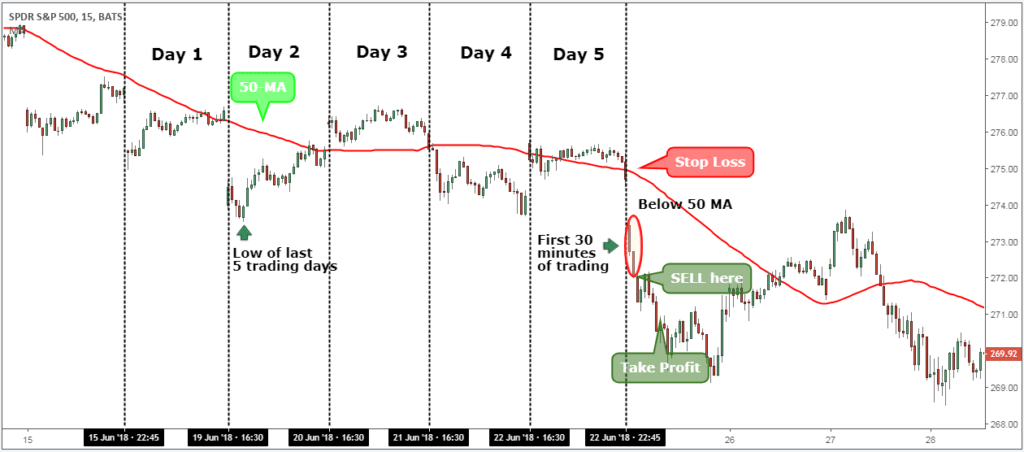
ETFs operate through a unique mechanism that involves two key components: the primary market and the secondary market.
Primary Market
In the primary market, ETFs are created or redeemed by large institutional investors known as authorized participants (APs). These APs assemble the underlying securities that make up the ETF’s portfolio and deliver them to the ETF sponsor in exchange for newly created ETF shares. This process ensures that the ETF remains closely aligned with the value of its underlying assets.
For example, if an ETF tracks the S&P 500 index, the AP would gather all the stocks in the index in the correct proportions and deliver them to the ETF sponsor. In return, the AP receives ETF shares, which are then listed on the secondary market.
Secondary Market
Once created, ETF shares are traded on stock exchanges throughout the trading day, just like individual stocks. This allows investors to buy and sell ETFs at real-time prices, offering greater flexibility compared to traditional mutual funds, which only trade once per day after the market closes.
Key Features of ETFs

1. Diversification
ETFs provide instant diversification by holding a basket of assets. This helps spread risk across different securities, reducing the impact of poor performance in any single asset.
2. Low Cost
ETFs typically have lower expense ratios than mutual funds because they are often passively managed. This means they track an index rather than actively selecting and managing investments, resulting in lower management fees.
3. Liquidity
ETFs offer high liquidity since they can be bought and sold throughout the trading day. This makes them ideal for both long-term investors and active traders.
4. Transparency
ETFs are required to disclose their holdings daily, giving investors clear insight into the assets they are invested in.
Types of ETFs
There are several types of ETFs, each catering to different investment goals:
- Index ETFs: Track a specific market index, such as the S&P 500 or Nasdaq.
- Sector ETFs: Focus on a particular industry, such as technology, healthcare, or energy.
- Commodity ETFs: Provide exposure to physical commodities like gold, oil, or agricultural products.
- Bond ETFs: Invest in fixed-income securities, including government and corporate bonds.
- Leveraged and Inverse ETFs: Designed to amplify returns or profit from market declines, though they carry higher risks.
ETFs vs. Mutual Funds
While both ETFs and mutual funds offer diversified investment options, there are several key differences:
| Feature | ETFs | Mutual Funds |
|---|---|---|
| Trading | Can be traded throughout the day | Only traded once per day after market close |
| Minimum Investment | Typically one share | Usually requires a minimum investment of $500–$5,000 |
| Expense Ratio | Generally lower | Often higher due to active management |
| Tax Efficiency | More tax-efficient due to in-kind redemptions | Less tax-efficient due to capital gains distributions |
Advantages of Investing in ETFs

- Lower Costs: ETFs often have lower expense ratios, making them a cost-effective choice for long-term investors.
- Flexibility: Investors can trade ETFs like stocks, allowing for more control over timing and price.
- Tax Efficiency: ETFs tend to generate fewer capital gains distributions, leading to potential tax savings.
- Diversification: ETFs provide access to a wide range of assets, helping to mitigate risk.
How to Invest in ETFs
Investing in ETFs is straightforward and accessible through most online brokerage platforms. Here’s a simple guide:
- Open a Brokerage Account: Choose a reputable online broker that offers commission-free ETF trading.
- Research ETFs: Use screening tools to find ETFs that align with your investment goals and risk tolerance.
- Buy ETFs: Purchase ETFs through your brokerage account, similar to buying individual stocks.
- Monitor and Adjust: Regularly review your ETF portfolio and rebalance as needed.
Conclusion

Exchange Traded Funds have revolutionized the way investors access the markets, offering a combination of affordability, flexibility, and diversification. Whether you’re looking to build a long-term portfolio or take advantage of short-term opportunities, ETFs provide a powerful tool for achieving your financial goals. By understanding how ETFs work and their advantages over traditional investment vehicles, you can make informed decisions that align with your investment strategy.