
What Every High Net Worth Individual Should Know About Wealth Management
For high net worth individuals (HNWIs), wealth management is more than just a financial strategy—it’s a comprehensive approach to preserving, growing, and transferring wealth across generations. With global wealth increasingly concentrated among a small percentage of the population, understanding the nuances of effective wealth management is essential for those with significant assets. This article explores the key components of wealth management that every HNWIs should be aware of, from asset allocation and tax planning to estate strategies and risk management.
The Importance of Wealth Management for HNWIs
A high-net-worth individual is typically defined as someone with at least $1 million in liquid assets, excluding their primary residence. According to the World’s Wealthiest Cities Report 2025, there are over 16 million HNWIs globally, with the United States leading the way with 6 million HNWIs. These individuals often require specialized financial services tailored to their unique needs, such as private banking, investment management, and estate planning.
Wealth management for HNWIs involves a multi-faceted approach that includes:
- Asset Allocation: Diversifying investments to balance risk and return.
- Tax Planning: Minimizing liabilities through strategic tax-efficient strategies.
- Estate Planning: Ensuring smooth wealth transfer to future generations.
- Risk Management: Protecting against market volatility and unforeseen events.
Each of these components plays a crucial role in maintaining and growing wealth over time.
Key Components of Effective Wealth Management
1. Asset Allocation and Investment Strategies
At the core of wealth management is asset allocation, which refers to how an individual distributes their investments across different asset classes such as stocks, bonds, real estate, and alternative investments. For HNWIs, diversification is not just a recommendation—it’s a necessity. By spreading investments across various sectors and geographies, HNWIs can reduce overall portfolio risk and increase the potential for long-term growth.
Strategies like long-term investing and alternative investments (e.g., hedge funds, private equity, and real estate) are particularly popular among HNWIs. These approaches allow them to capitalize on opportunities that may not be available to the average investor while also hedging against market downturns.
2. Tax and Estate Planning

Navigating complex tax laws is a critical aspect of wealth management for HNWIs. With the potential for changes in estate tax exemptions and other regulatory shifts, it’s essential to have a robust tax planning strategy in place. Techniques such as tax-loss harvesting, income deferral, and charitable giving can help minimize tax liabilities while supporting causes that align with personal values.
In addition, estate planning ensures that wealth is transferred efficiently to future generations. Trust structures, such as irrevocable trusts and Spousal Lifetime Access Trusts (SLATs), are commonly used to protect assets from steep estate taxes and ensure liquidity for heirs.
3. Risk Management and Asset Protection
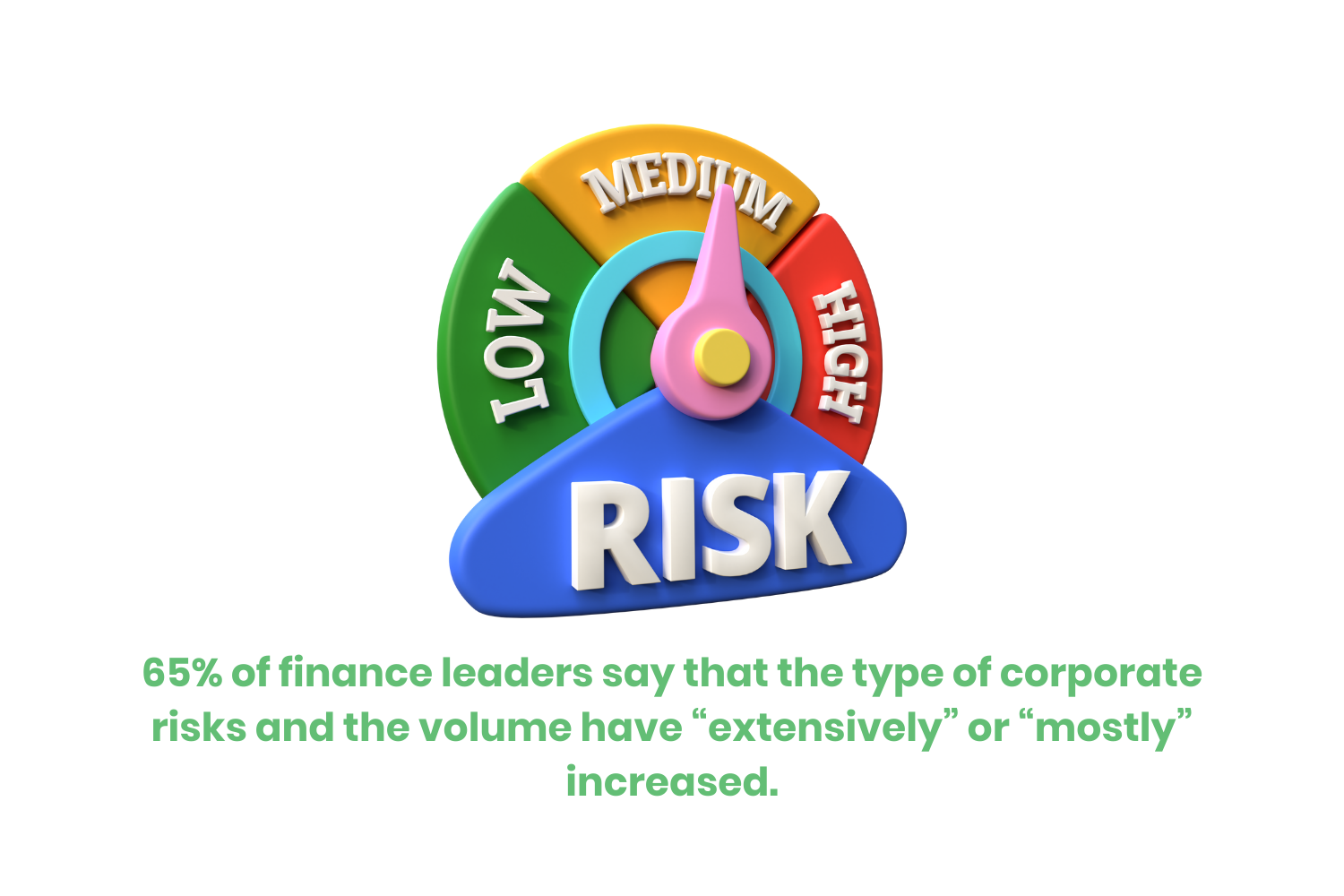
Market volatility, economic recessions, and geopolitical uncertainties pose significant risks to wealth. HNWIs must implement risk management strategies to safeguard their assets. This includes portfolio rebalancing, hedging techniques, and insurance products to mitigate potential losses.
Regularly reviewing and adjusting the portfolio helps maintain alignment with changing market conditions and personal financial goals. Additionally, insurance coverage such as life insurance, disability insurance, and liability protection can provide a safety net during unexpected events.
4. Holistic Financial Protection

Beyond traditional investment and tax strategies, HNWIs should consider holistic financial protection. This includes wealth preservation through diversified portfolios, financial security via insurance, and legacy planning to ensure long-term stability for future generations.
By integrating these elements into their financial strategy, HNWIs can build a resilient financial foundation that withstands market fluctuations and supports long-term goals.
Emerging Trends in Wealth Management

As the financial landscape continues to evolve, several trends are shaping the future of wealth management for HNWIs:
- Digital Wealth Management: Increasing use of technology to manage portfolios and access financial insights.
- Sustainable Investing: Growing interest in ESG (Environmental, Social, and Governance) criteria.
- Globalization of Wealth: Expanding opportunities in international markets and cross-border investments.
These trends highlight the need for HNWIs to stay informed and adaptable in their financial strategies.
Conclusion

For high net worth individuals, wealth management is a multifaceted discipline that requires careful planning, strategic execution, and ongoing adaptation. From asset allocation and tax planning to risk management and estate strategies, each component plays a vital role in ensuring long-term financial success. As the global wealth landscape continues to evolve, staying informed and working with trusted financial advisors will remain essential for HNWIs seeking to preserve and grow their wealth effectively.